

The Gentleman and the Bad Boy

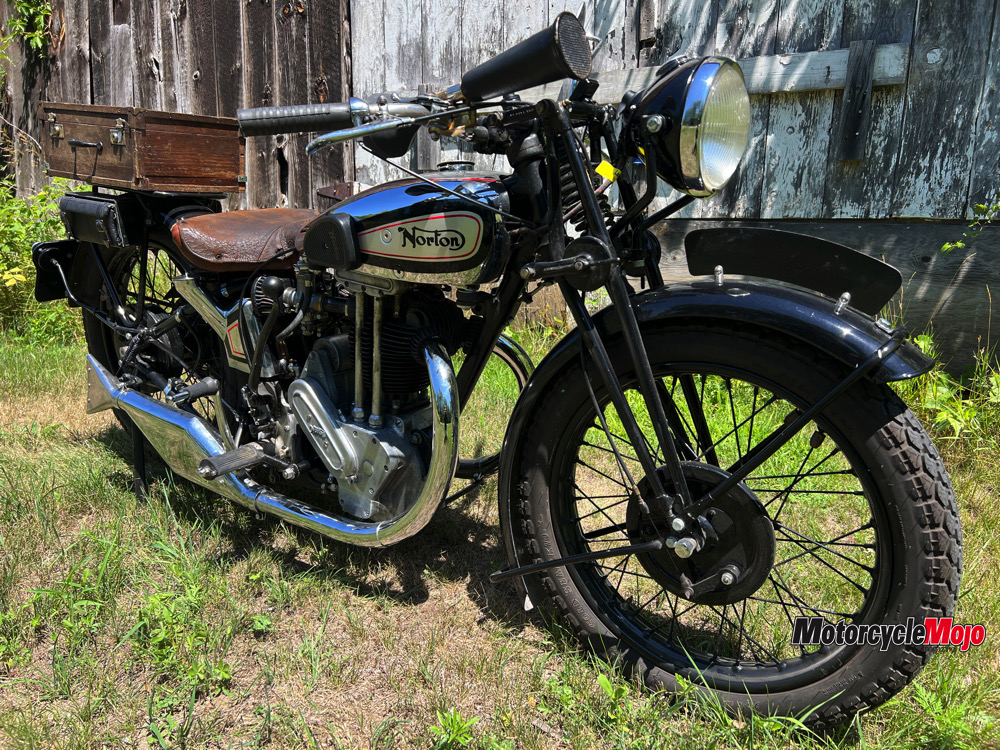
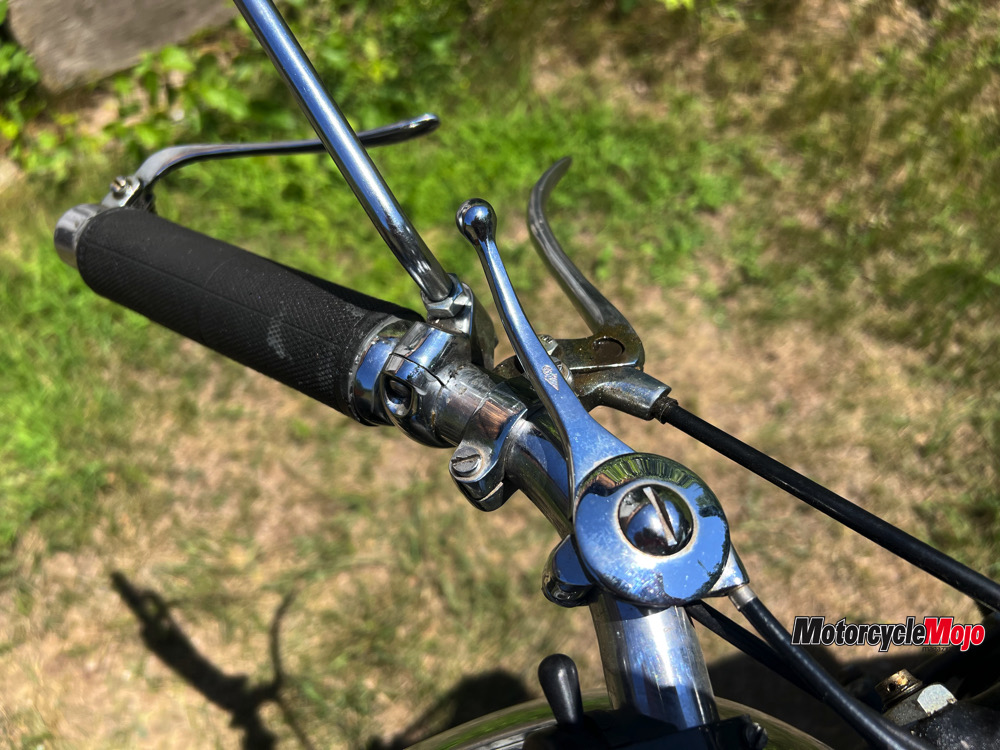


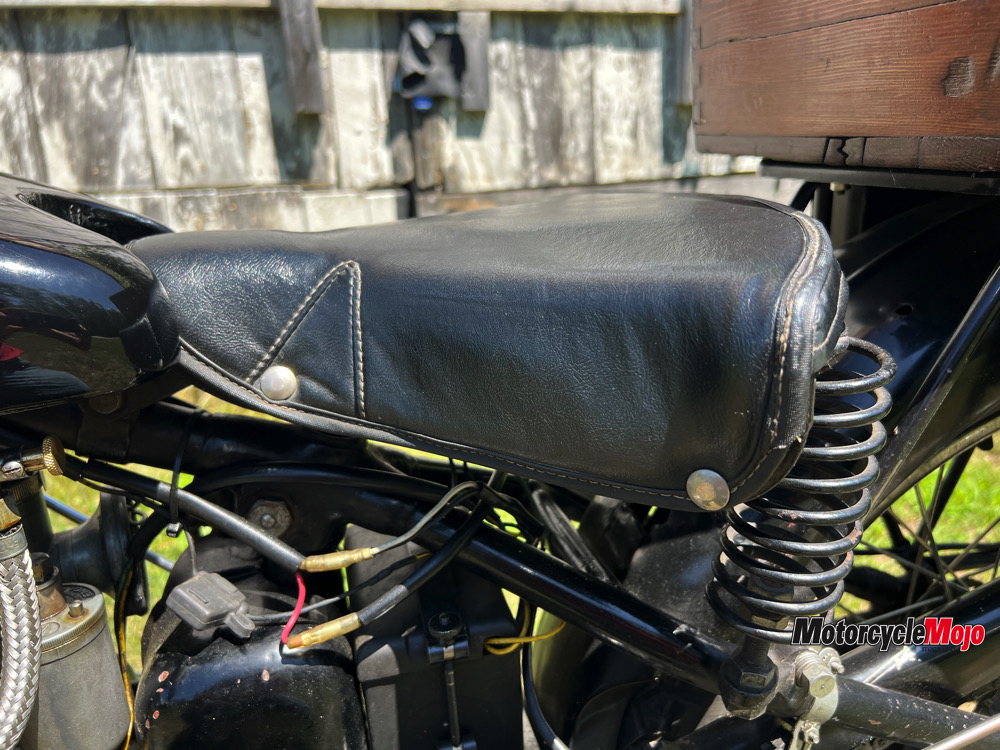
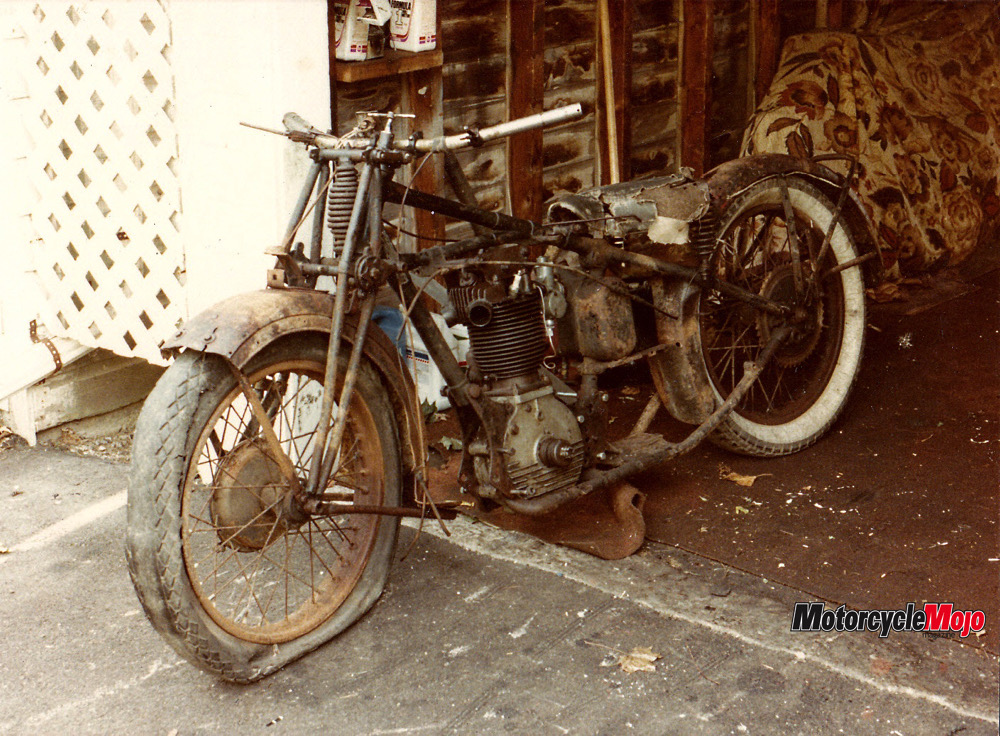
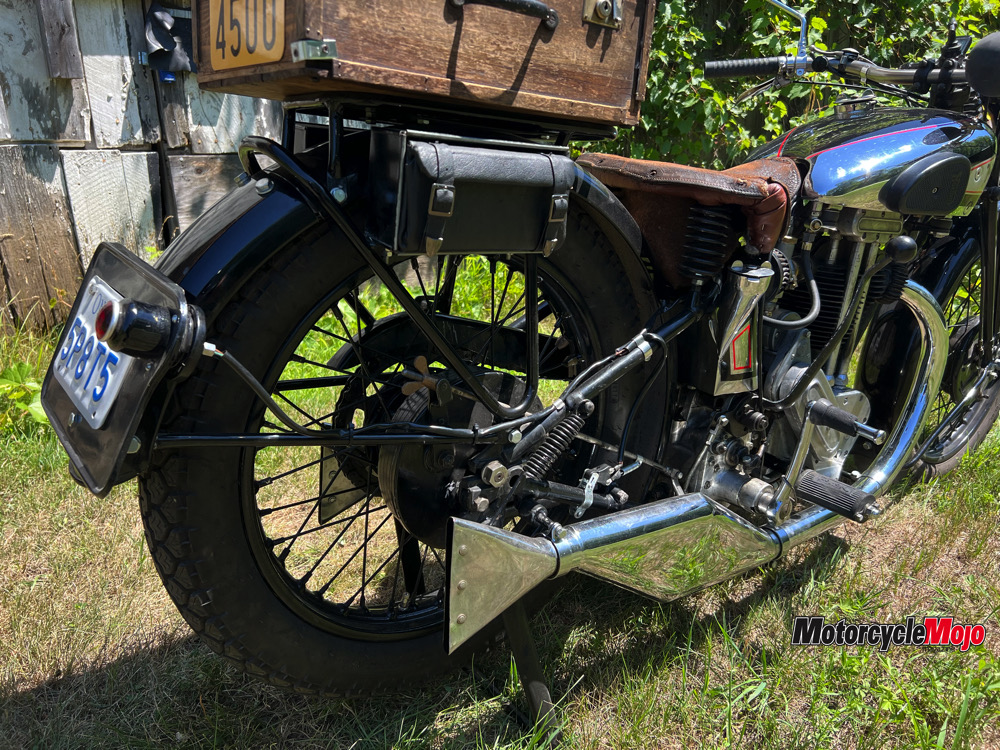
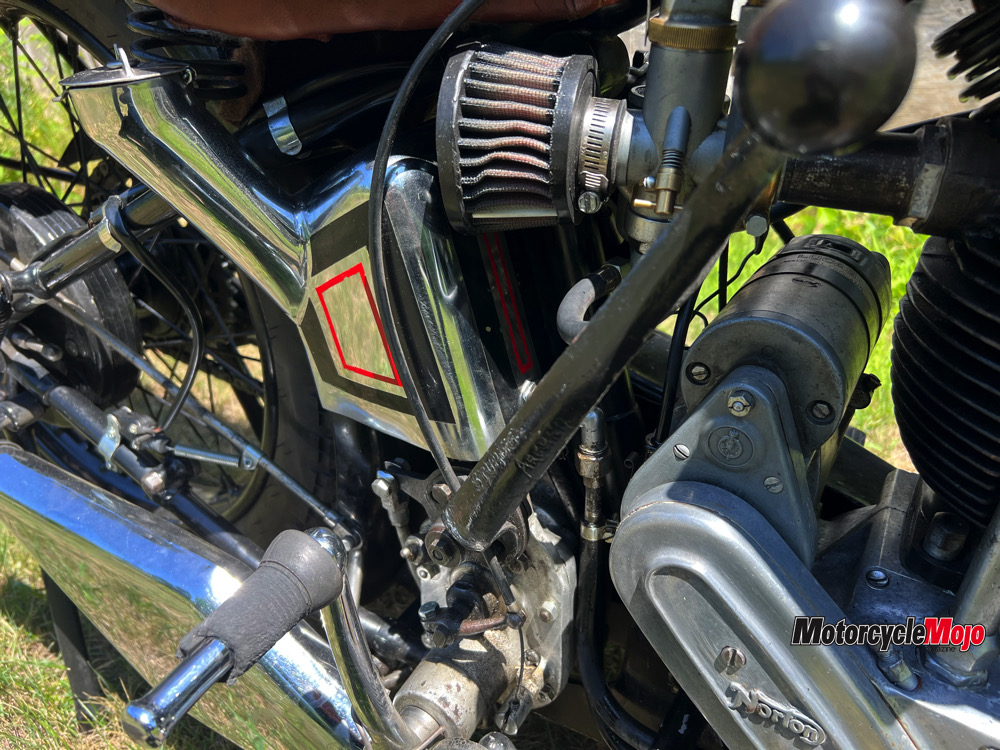
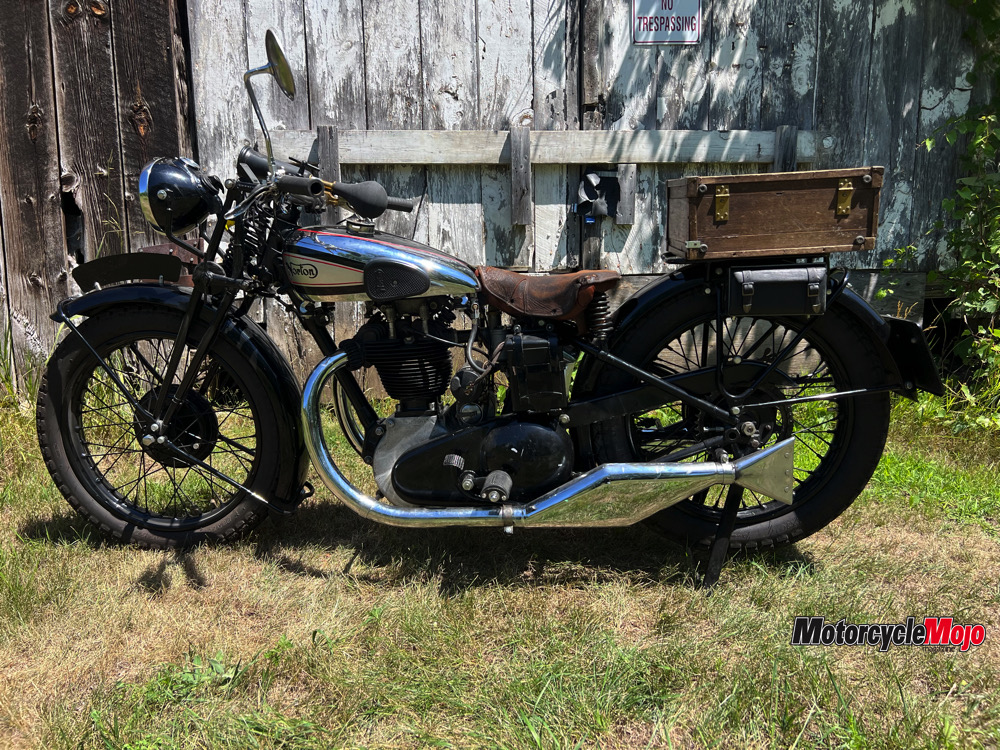

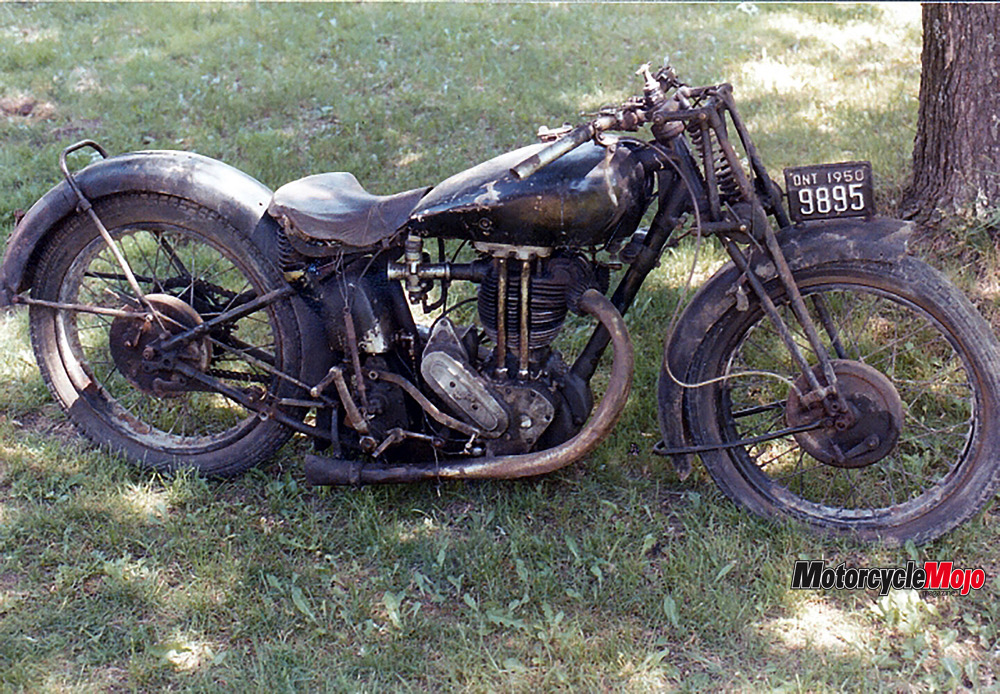
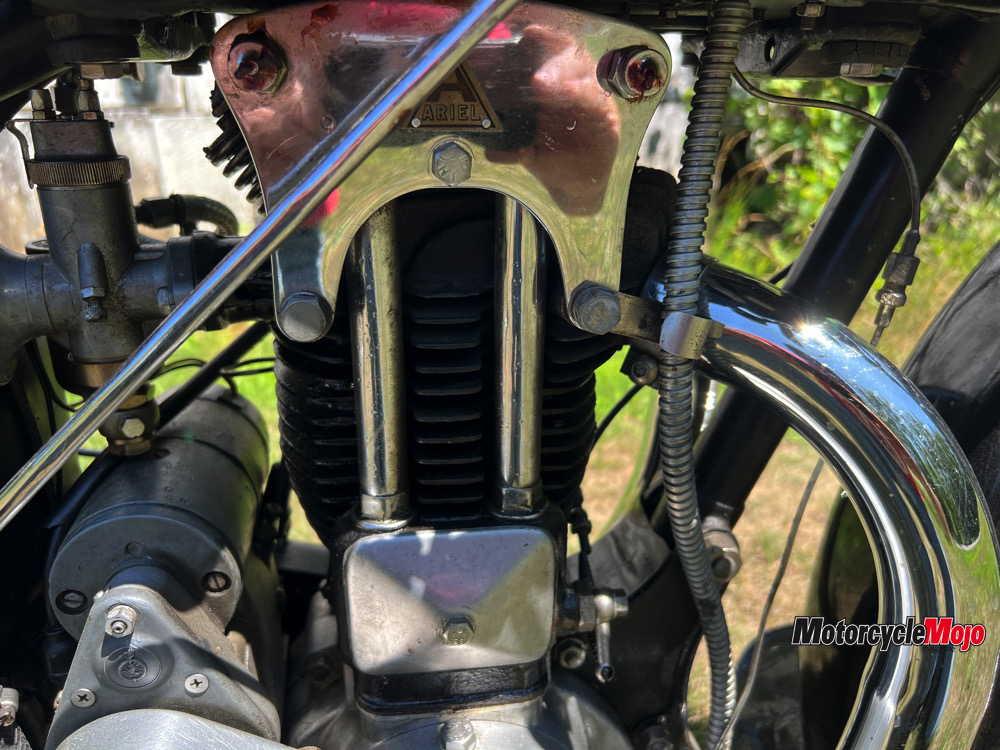

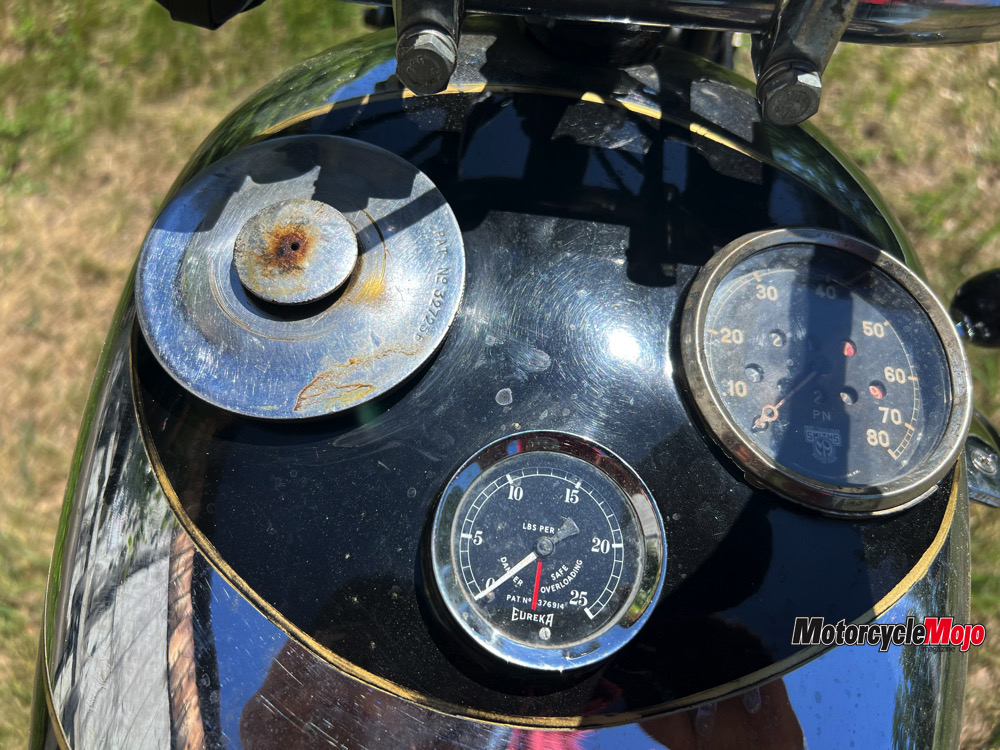


There is a certain charm to the simplicity of vintage motorcycles, and the girder fork is a large part of the appeal.
In the early 1970s, during his formative riding years, Ian Taylor had never experienced a girder fork motorcycle. In fact, his first machine was a twin-cylinder 1971 Kawasaki 250 cc two-stroke. Equipped with modern hydraulic telescopic forks, the Kawasaki’s front suspension — and the machine itself — was about as far from the more archaic girder technology as a young lad could get.
Taylor was raised in Belleville, Ont., and says his dad rode a 350 cc BSA in Scotland before emigrating to Canada. Although Taylor was aware the motorcycle had been in his dad’s past, he never knew much about it. “Dad never really talked about it, and I’d just seen the pictures,” Taylor explains, and continues, “But like any young kid back then, we’d put hockey cards in our bicycle spokes and go down the street to create the sounds of motorcycles. We couldn’t wait to get our own.”
As he grew older, Taylor first looked at a 90 cc Kawasaki. His dad told him it was too small. Then, his attention was captured by a 250 cc BSA single. His dad told him to stay away from those, perhaps recalling some hardships Taylor Sr. had suffered with his own BSA 350. Finally, he found the used ’71 Kawasaki at a dealership, and he and his dad went to look at it. “This was about 1974, and we bought it, and I’ve been hooked ever since,” Taylor says.
Catching the Vintage Bug
But Taylor’s attention, for whatever reason, soon veered to classic machines that were produced long before his earliest motorcycling years. He bought his first in 1977, when he answered an ad in a local buy and sell paper for a 1953 Ariel VHA 500 cc Red Hunter. Viewed at night in a barn, the motorcycle was barely illuminated by a single 60-watt lightbulb strung high in the rafters.
He took it home, however, and the next day, after seeing the Ariel in the daylight, questioned the purchase but never gave up on the project. Today, the machine is restored in Wedgewood Blue, is on the road, and Taylor continues to ride it.
Girder Fork Primer
Next, it was girder forks, and here’s a brief primer on what was once the most common front suspension system found on pre-Second World War motorcycles. By the mid 1910s, most motorcycles were fitted with a girder-style fork. In Britain, manufacturers included Brampton, Castle, Druid and Webb. Some motorcycle makers such as Ariel, B.S.A. and Triumph made their own girder forks, while others equipped their machines with supplied…





Thanks for Reading
If you don’t already subscribe to Motorcycle Mojo we ask that you seriously think about it. We are Canada’s last mainstream motorcycle magazine that continuously provides a print and digital issue on a regular basis.
We offer exclusive content created by riders, for riders.
Our editorial staff consists of experienced industry veterans that produce trusted and respected coverage for readers from every walk of life.
Motorcycle Mojo Magazine is an award winning publication that provides premium content guaranteed to be of interest to every motorcycle enthusiast. Whether you prefer cruisers or adventure-touring, vintage or the latest models; riding round the world or just to work, Motorcycle Mojo covers every aspect of the motorcycle experience. Each issue of Motorcycle Mojo contains tests of new models, feature travel stories, compelling human interest articles, technical exposés, product reviews, as well as unique perspectives by regular columnists on safety or just everyday situations that may be stressful at the time but turn into fabulous campfire stories.
Thanks for considering a subscription. The Mojo team truly appreciates it.
