

Two Bonnevilles, Two Personalities



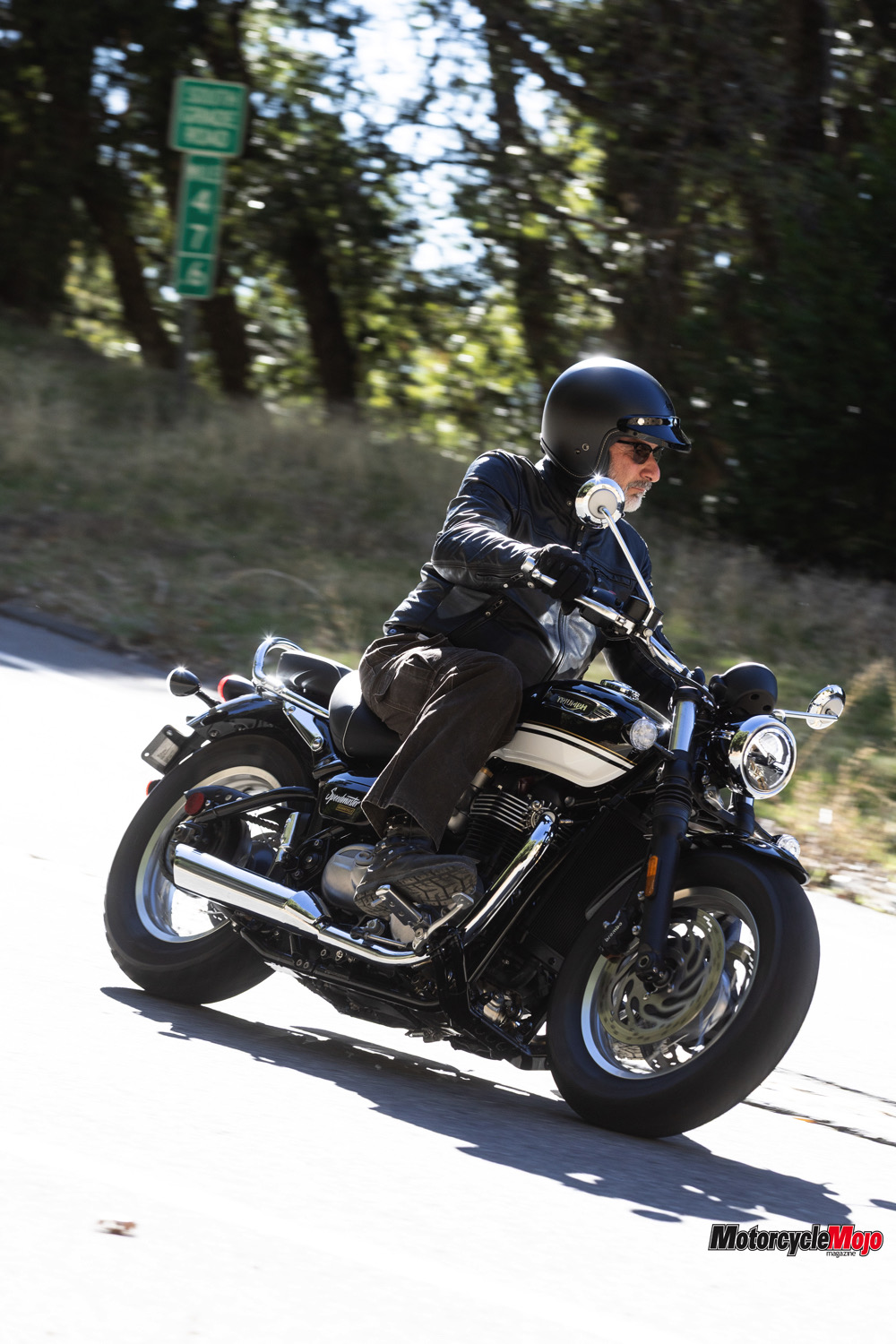
A pair of British cruisers with unique attributes and distinctly different characters.
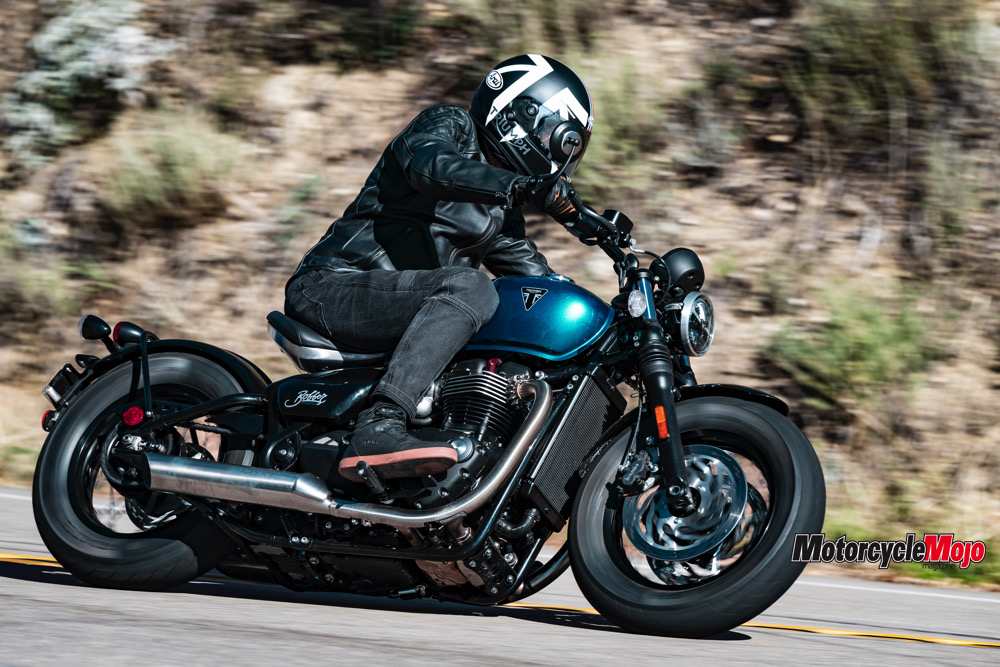
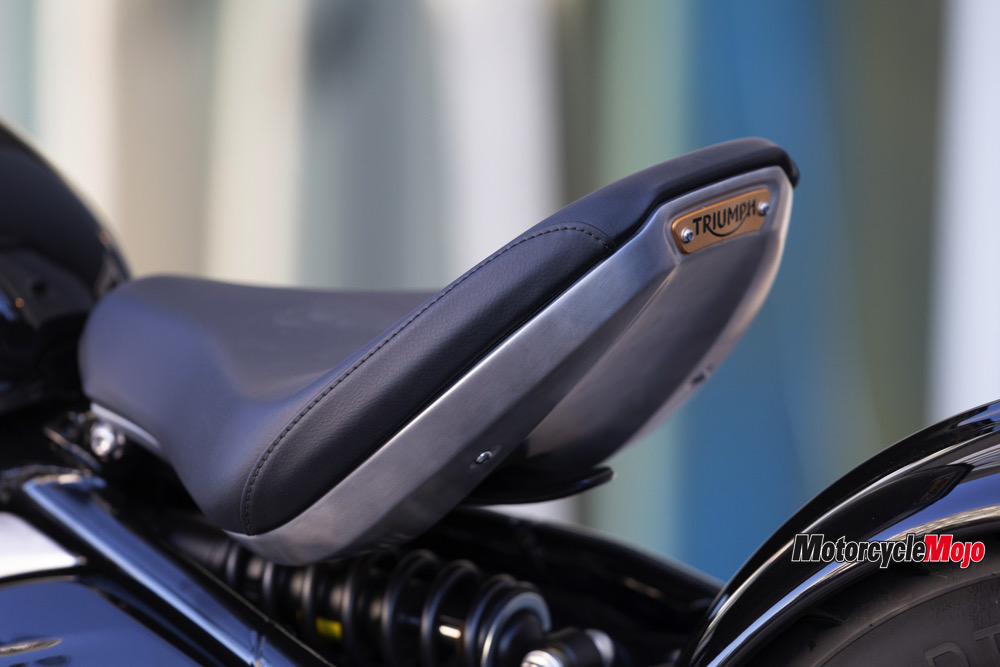
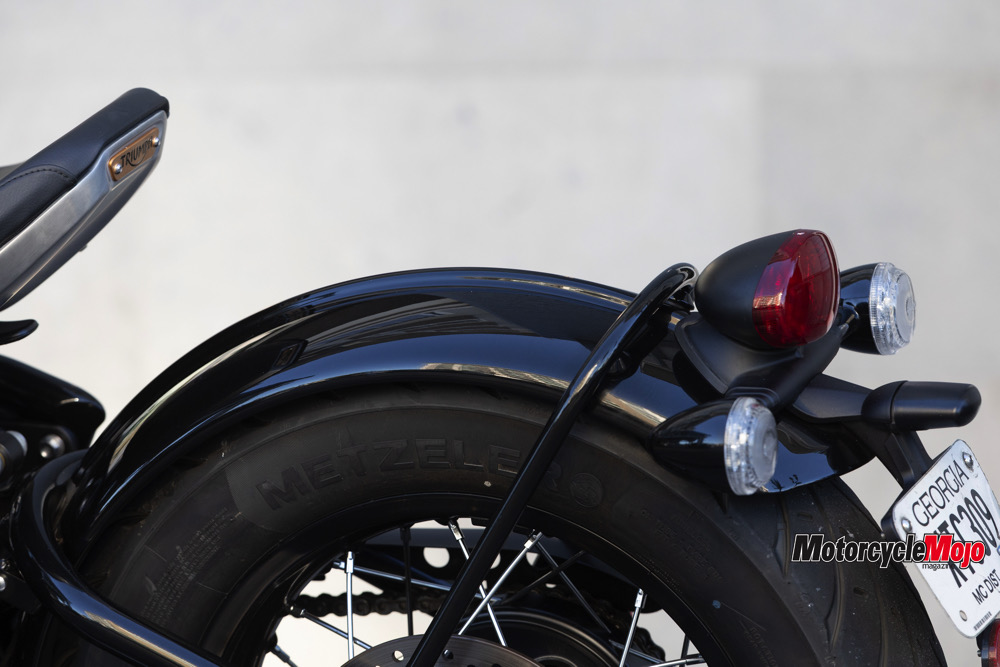
Bobbers were initially conceived in the mid-20th century. They were originally stripped-to-bare-bones hard-tail bikes, with shortened (read: bobbed) fenders, a low-rise handlebar and a solo saddle. The original Triumph Bonneville Bobber was launched 10 years ago and exhibited many of these styling cues. While several manufacturers have made modern variations of the bobber, what really set the Triumph apart was its floating solo seat, and its blackout treatment and complete absence of chrome, the latter two being attributes that I find very appealing.
Triumph also did a great job of giving the bike a minimalist look, without visible wires and cables. While Triumph wasn’t the first to produce a bike with hidden rear suspension and a triangulated swingarm to emulate a hard tail (Harley gets those bragging rights with the Softail), it nonetheless executed the look exceptionally well, especially with the Bobber’s floating seat and tire-hugging rear fender. It remains the one factory custom I believe truly merits the Bobber name.
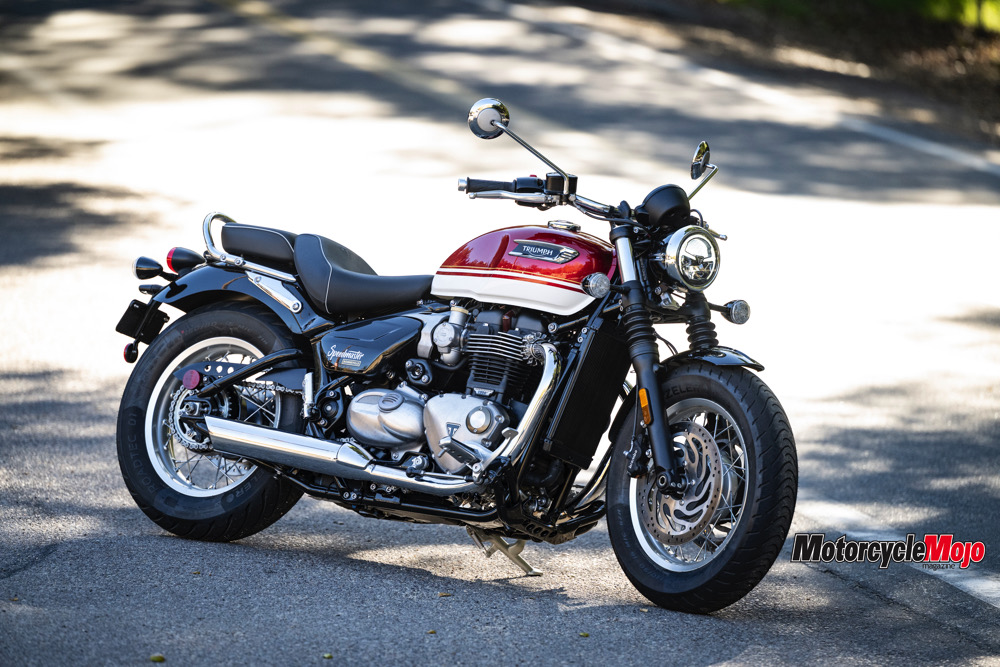
Based on the same platform as the Bobber is the Bonneville Speedmaster. The Speedmaster name has been around much longer than the Bobber (it was launched in 2003), but this latest generation was launched a year after the Bobber.
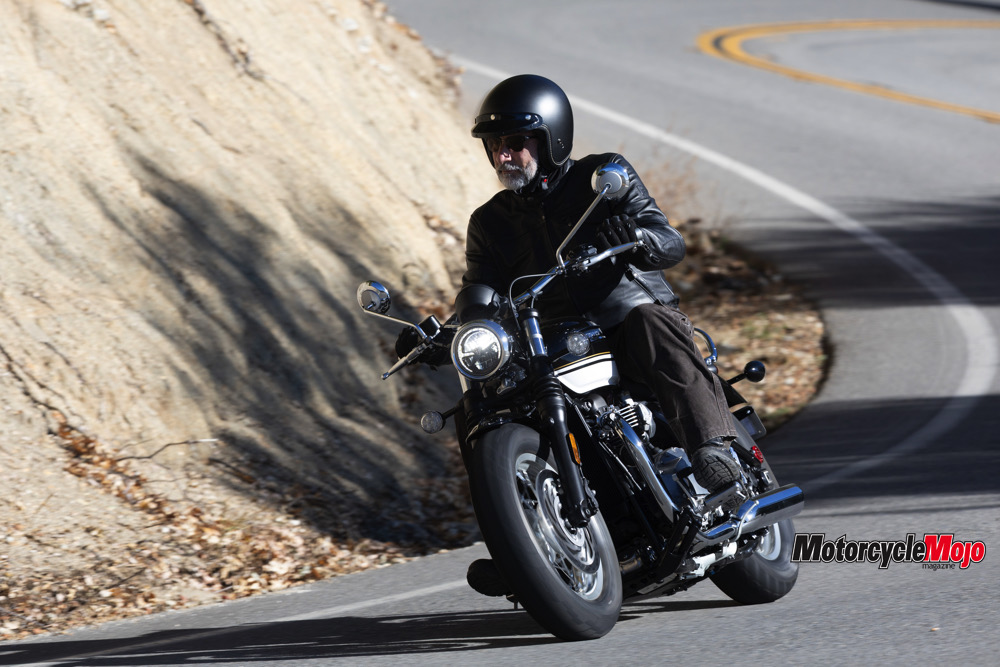
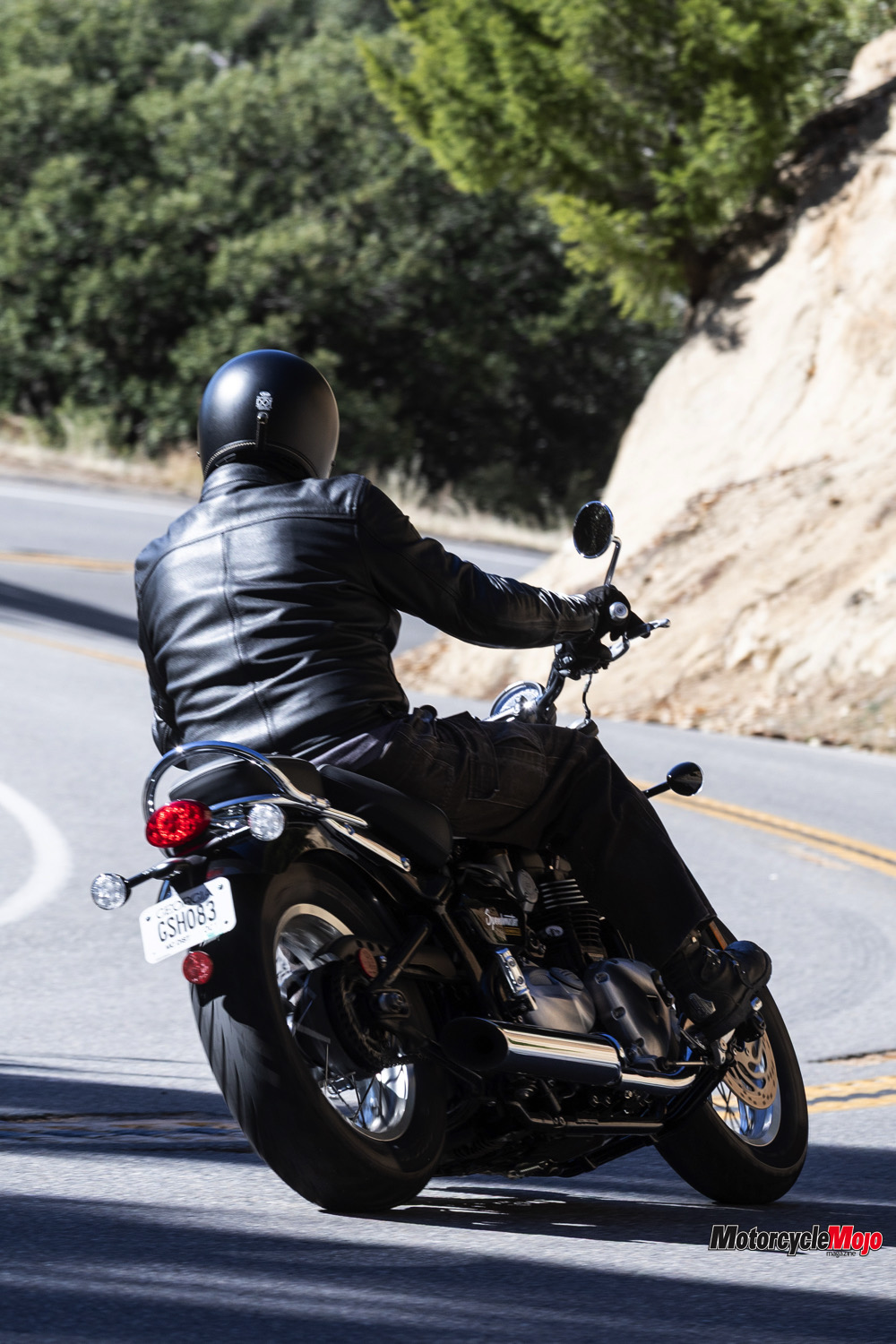
Although it shares its engine, chassis and wheel sizes with its sibling, it has a more conventional cruiser-like, foot-forward riding position with a dual seat, and a wide, pullback handlebar. Its suspension is tuned for a more comfortable ride with a passenger (no provisions for a pillion on the Bobber, sorry), and it has much more chrome and polished aluminum. Its laid-back styling is more in the tradition of an American cruiser — minus the presence of a V-twin engine.
Both big Bonnies have been updated for 2026, and we got a chance to ride each in the hills and canyons of Southern California.
THE SIMILARITIES AND THE NEW STUFF
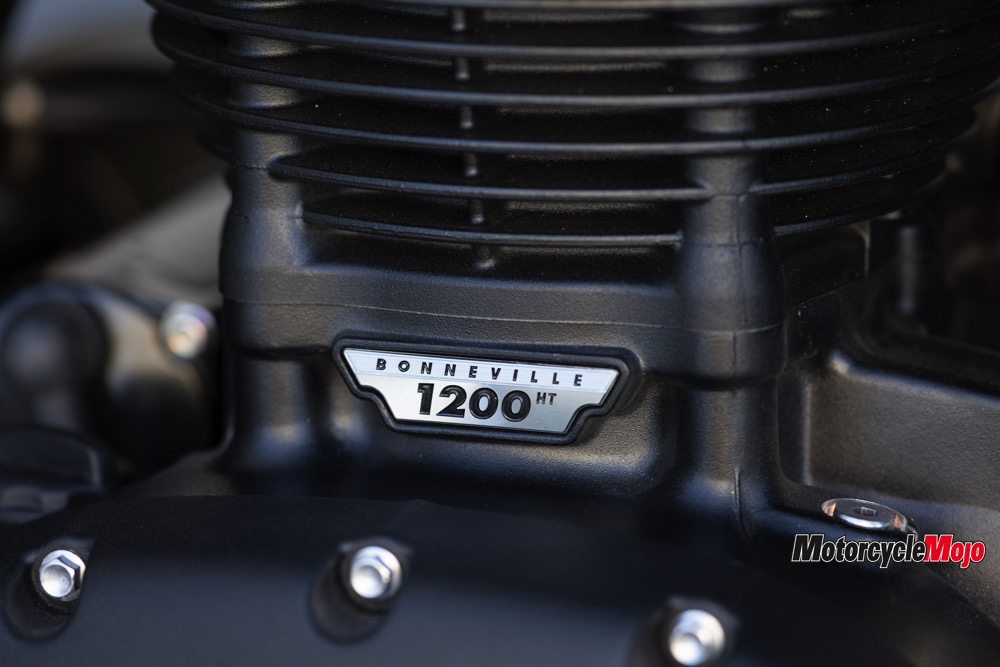
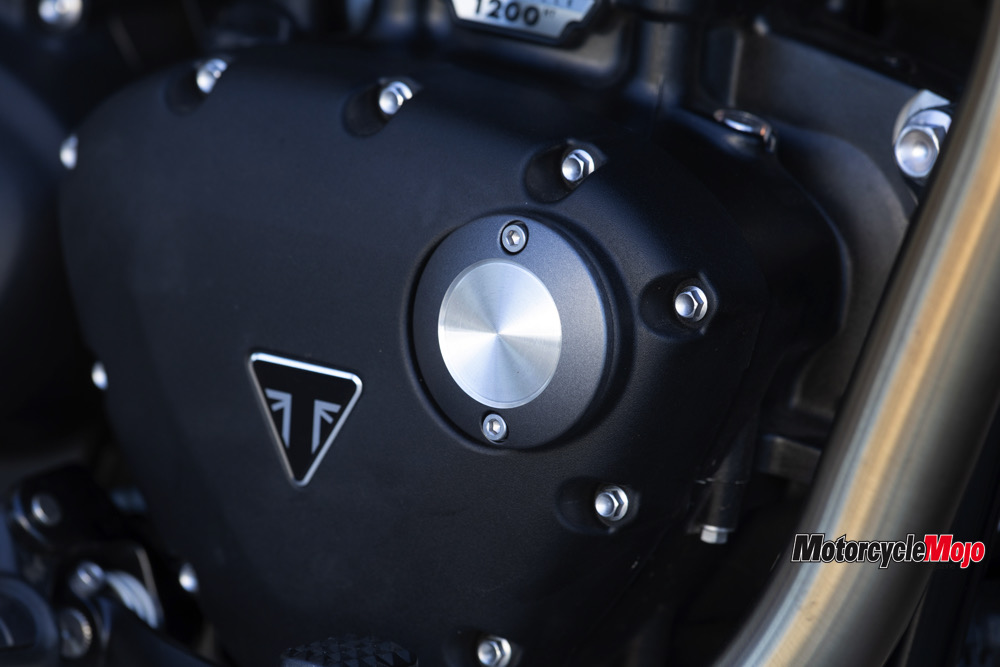
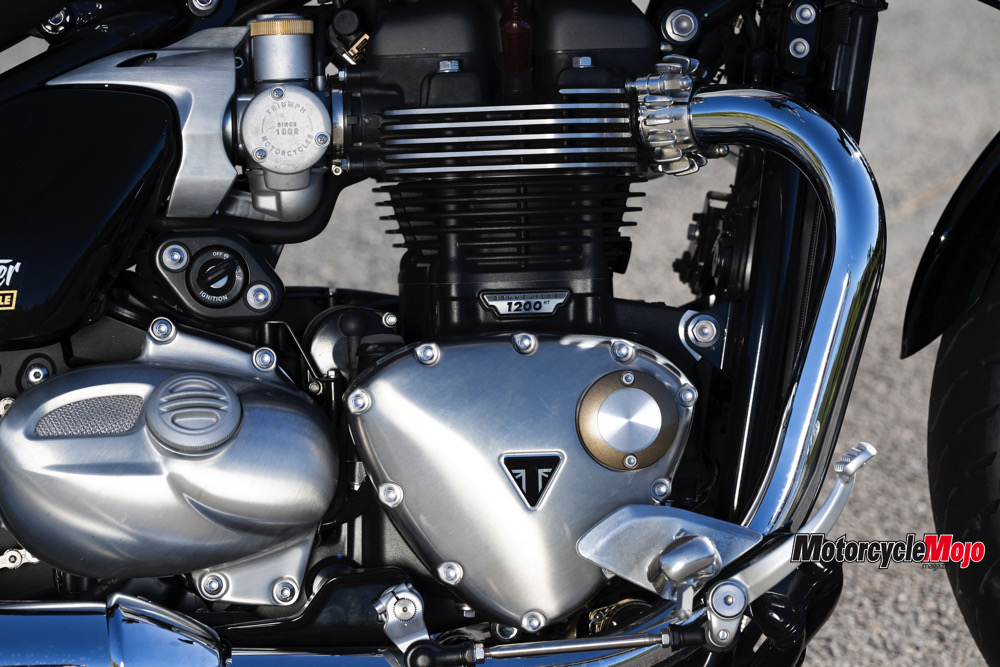
At the heart of both bikes is Triumph’s liquid-cooled, 1200 cc High-Torque parallel twin. It has a 270-degree crankpin arrangement that gives it a cruiser-appropriate V-twin-like firing order, while providing a broader spread of torque compared to a 180-degree crank. Being pressed into cruiser duty, the engine is tuned for bottom-end torque rather than top-end pulling power, claiming 77 horsepower and 78 lb.-ft. of torque. While the same basic engine produces 103 hp and
83 lb.-ft. in the Speed Twin 1200, the torque curve climbs steeper at lower revs in the cruisers, with more than 70 lb.-ft. of torque available from about 2,800 rpm to just over 5,000 rpm, making it feel quite powerful when rowing through the gears from a stop. The engine mates to a six-speed gearbox through a mechanically assisted slipper clutch.
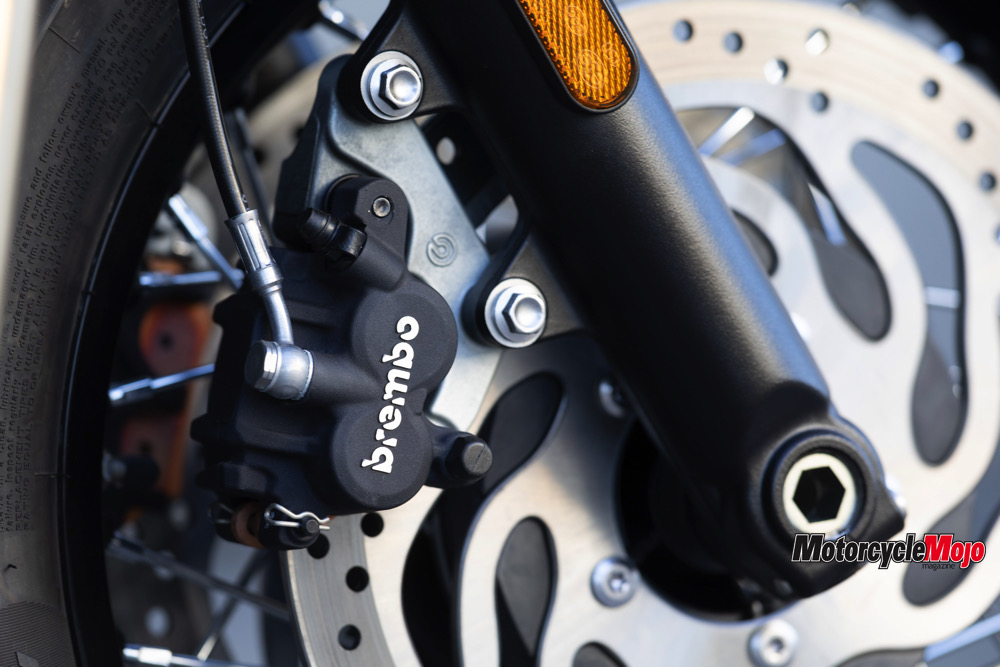
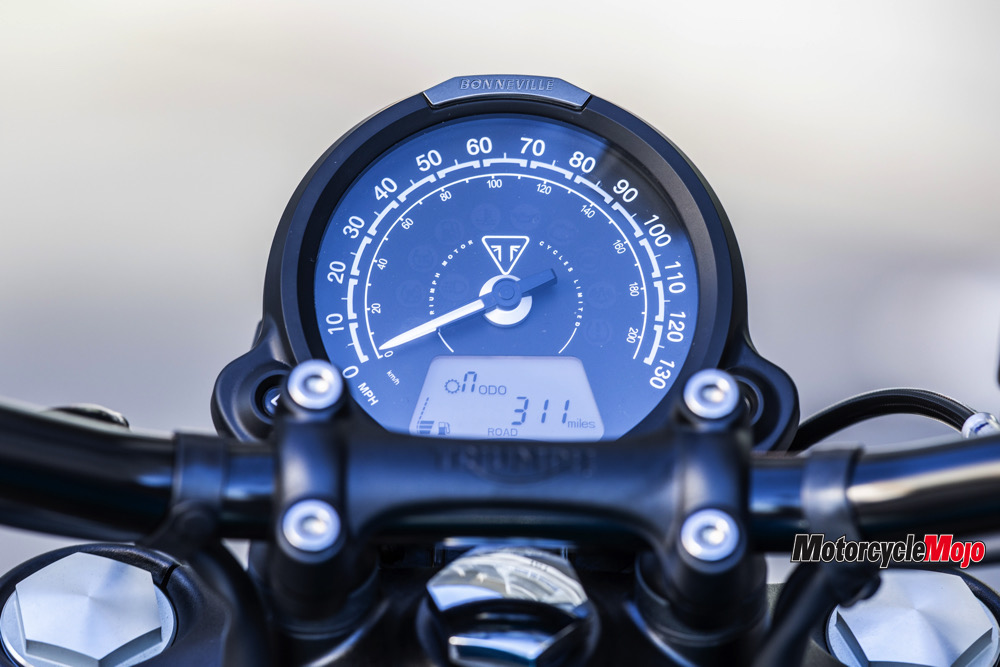
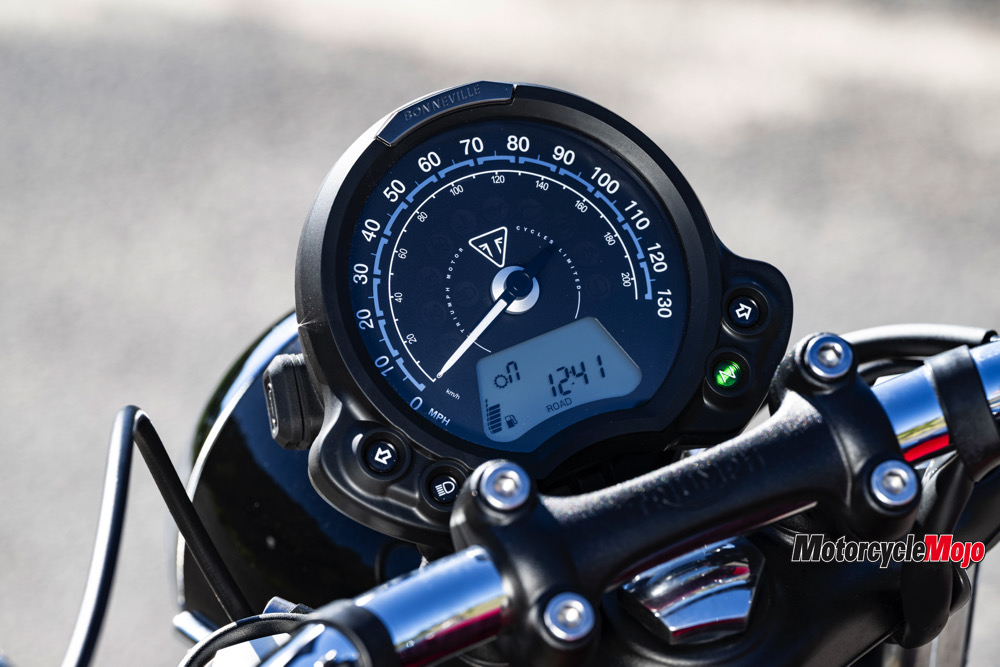
Both bikes get a six-axis IMU for 2026, which enables lean-sensitive ABS and traction control. They also get LED headlights, and they now have USB-C ports mounted conveniently on the left side of the instrument panel. As before, they have two ride modes (Rain and Road) and single-button cruise control. Aluminum rims replace the steel items of the previous models (the Bobber’s are black), which is said to improve handling. The seats on these custom Bonnevilles are markedly different: each has been widened and reshaped to improve comfort. The Speedmaster has a straighter handlebar than before for a more neutral riding position. A new fuel tank bumps capacity to 14-litres from 12 on both machines; while the Speedmaster always had a 12-litre fuel tank, early Bobbers carried a paltry nine litres before they were bumped to 12. In any case, more fuel is a good thing. Both bikes get restyled side covers and the…





Thanks for Reading
If you don’t already subscribe to Motorcycle Mojo we ask that you seriously think about it. We are Canada’s last mainstream motorcycle magazine that continuously provides a print and digital issue on a regular basis.
We offer exclusive content created by riders, for riders.
Our editorial staff consists of experienced industry veterans that produce trusted and respected coverage for readers from every walk of life.
Motorcycle Mojo Magazine is an award winning publication that provides premium content guaranteed to be of interest to every motorcycle enthusiast. Whether you prefer cruisers or adventure-touring, vintage or the latest models; riding round the world or just to work, Motorcycle Mojo covers every aspect of the motorcycle experience. Each issue of Motorcycle Mojo contains tests of new models, feature travel stories, compelling human interest articles, technical exposés, product reviews, as well as unique perspectives by regular columnists on safety or just everyday situations that may be stressful at the time but turn into fabulous campfire stories.
Thanks for considering a subscription. The Mojo team truly appreciates it.
