

No Judgement… No Pressure



This motorcycle campout became a lifeline for men who were running out of road.
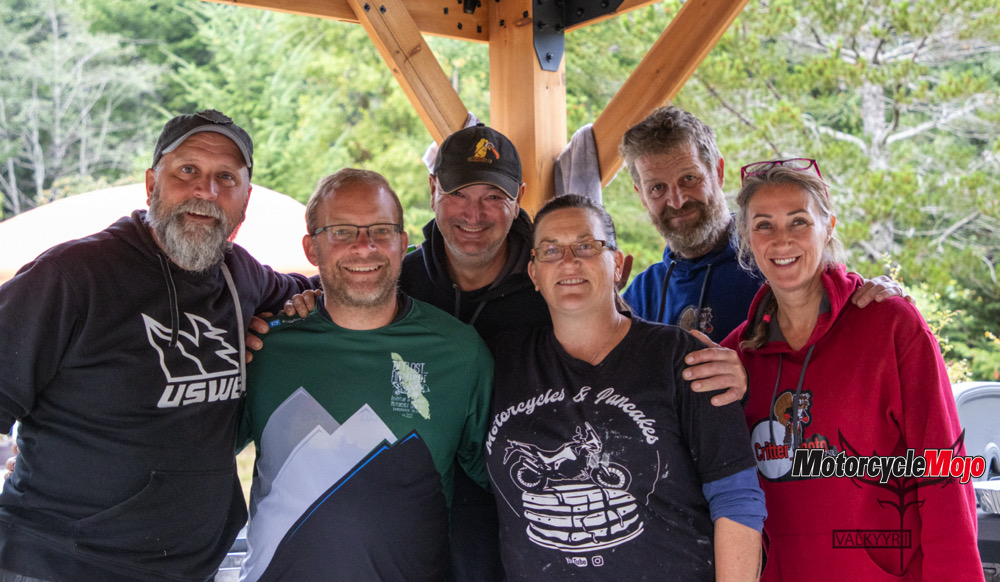
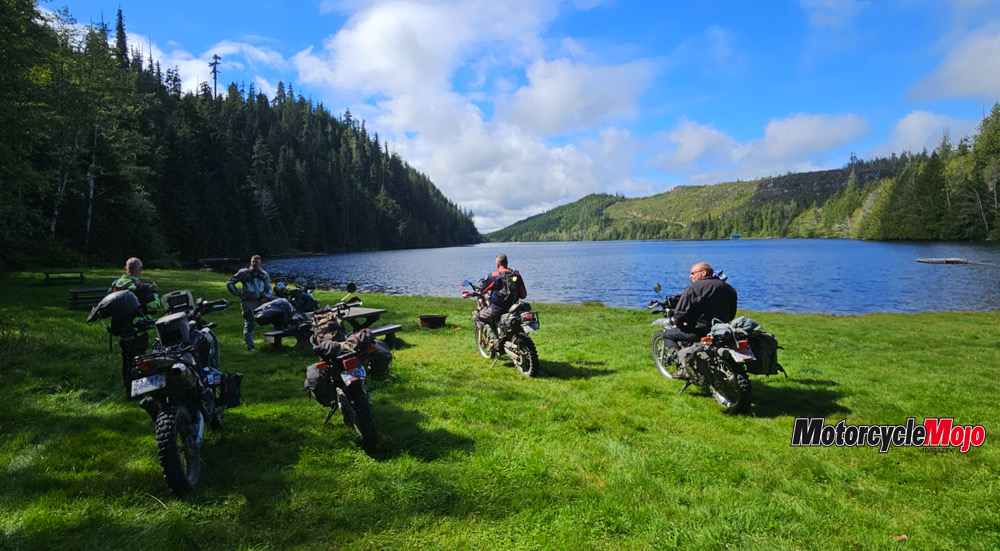
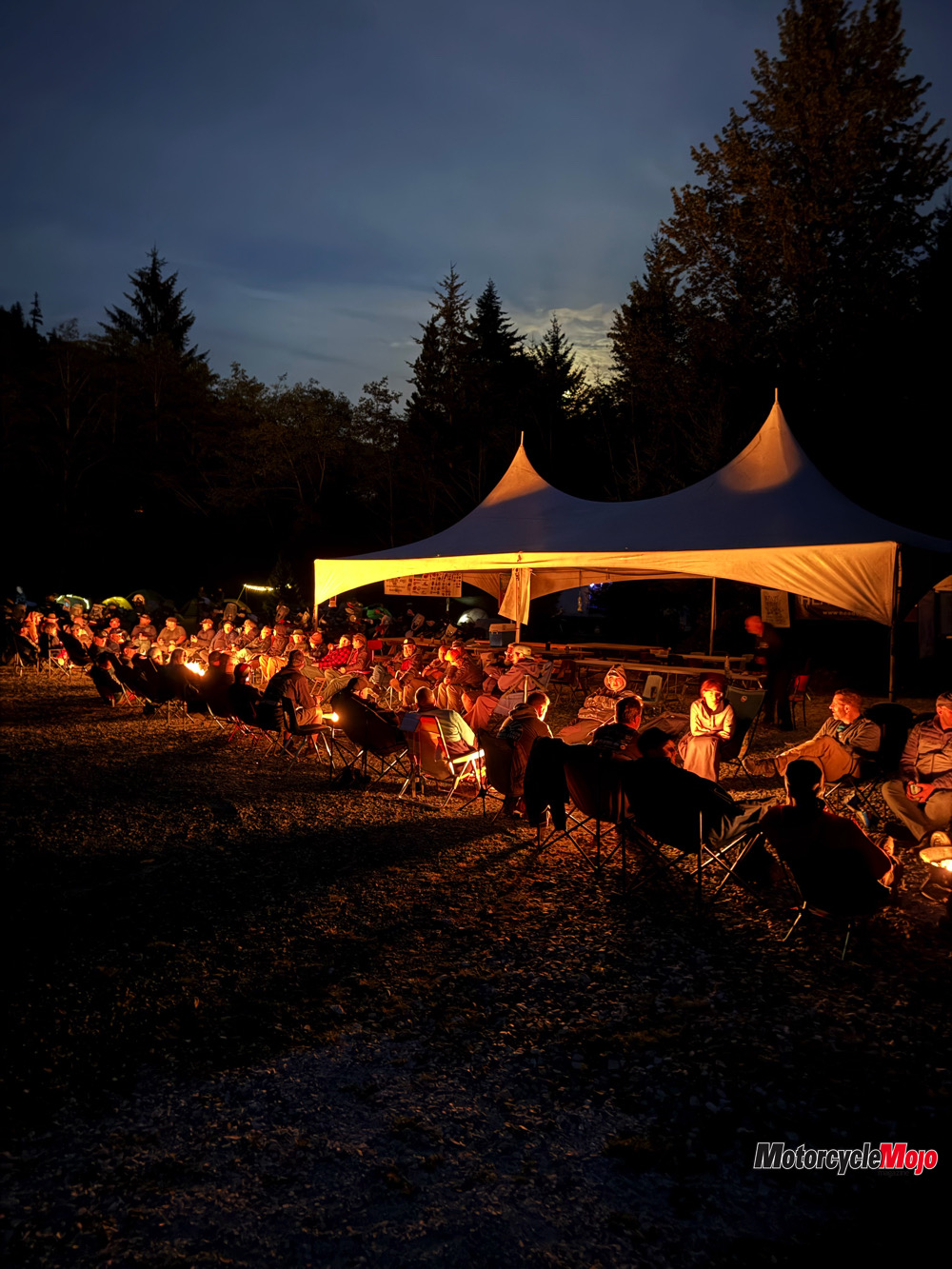
On a winding stretch of gravel tucked deep into Vancouver Island’s backcountry, the sound of motorcycles fades into something quieter: campfire crackle, low laughter, long pauses between words. Helmets come off. Walls come down. For a few days each year, men from all walks of life arrive carrying more than tents and sleeping bags. They bring grief, burnout, shame, anger, and questions they’ve never asked out loud.
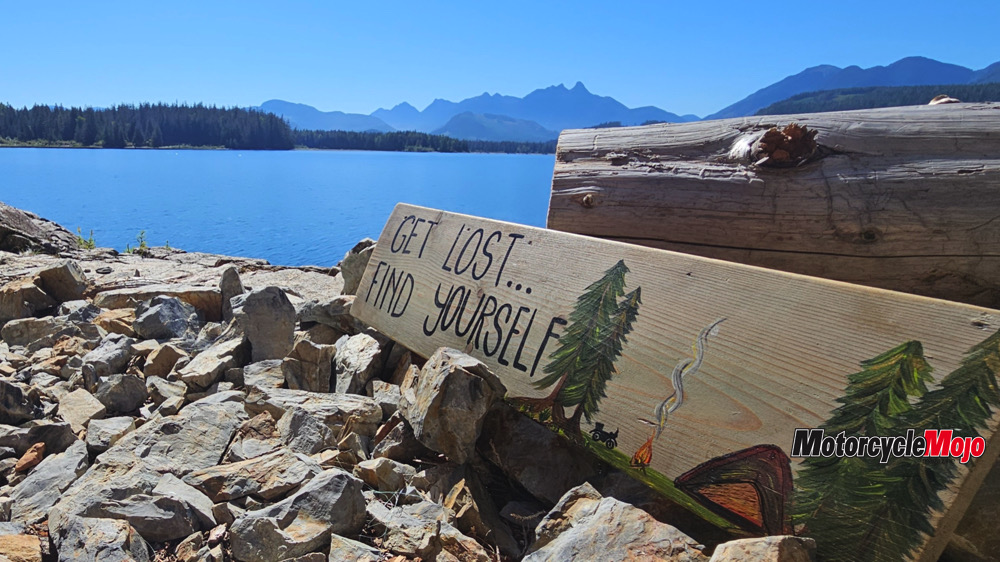
This is Get Lost … Find Yourself — a motorcycle campout with a purpose far bigger than riding.
Founded in the wake of a personal mental health crisis, the Get Lost … Find Yourself Foundation (GLFY) has quietly grown into one of Canada’s most impactful grassroots men’s mental health initiatives. What began as a small gathering of riders looking for connection has become a multi-event movement that quite literally saves lives.
THE RIDE THAT CHANGED EVERYTHING
GLFY didn’t start as a foundation. It started as survival.
In 2022, I survived a suicide attempt that forced me to confront the reality many men avoid: that toughness, independence, and silence are often the very things that push us toward the edge. Recovery didn’t arrive neatly. Some days felt like a second chance. Others felt like hell. What remained constant was the realization that men desperately needed a place to talk — without judgment, without pressure, and without pretending they are fine.
Motorcycles became the bridge.
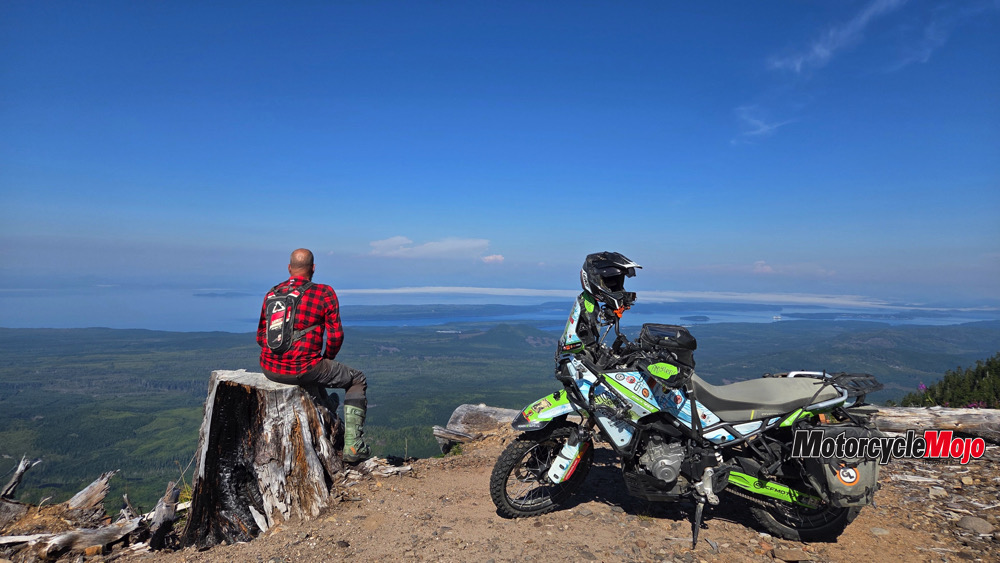
Adventure riding already carried many of the ingredients missing from modern life: solitude, challenge, brotherhood, and honest conversation that happens naturally when hands are busy and eyes are on the horizon. GLFY combined that culture with structured mental health education, peer support, and professional resources — and something powerful happened.
Men stayed. They opened up. They came back.
NOT A RALLY — A RESET
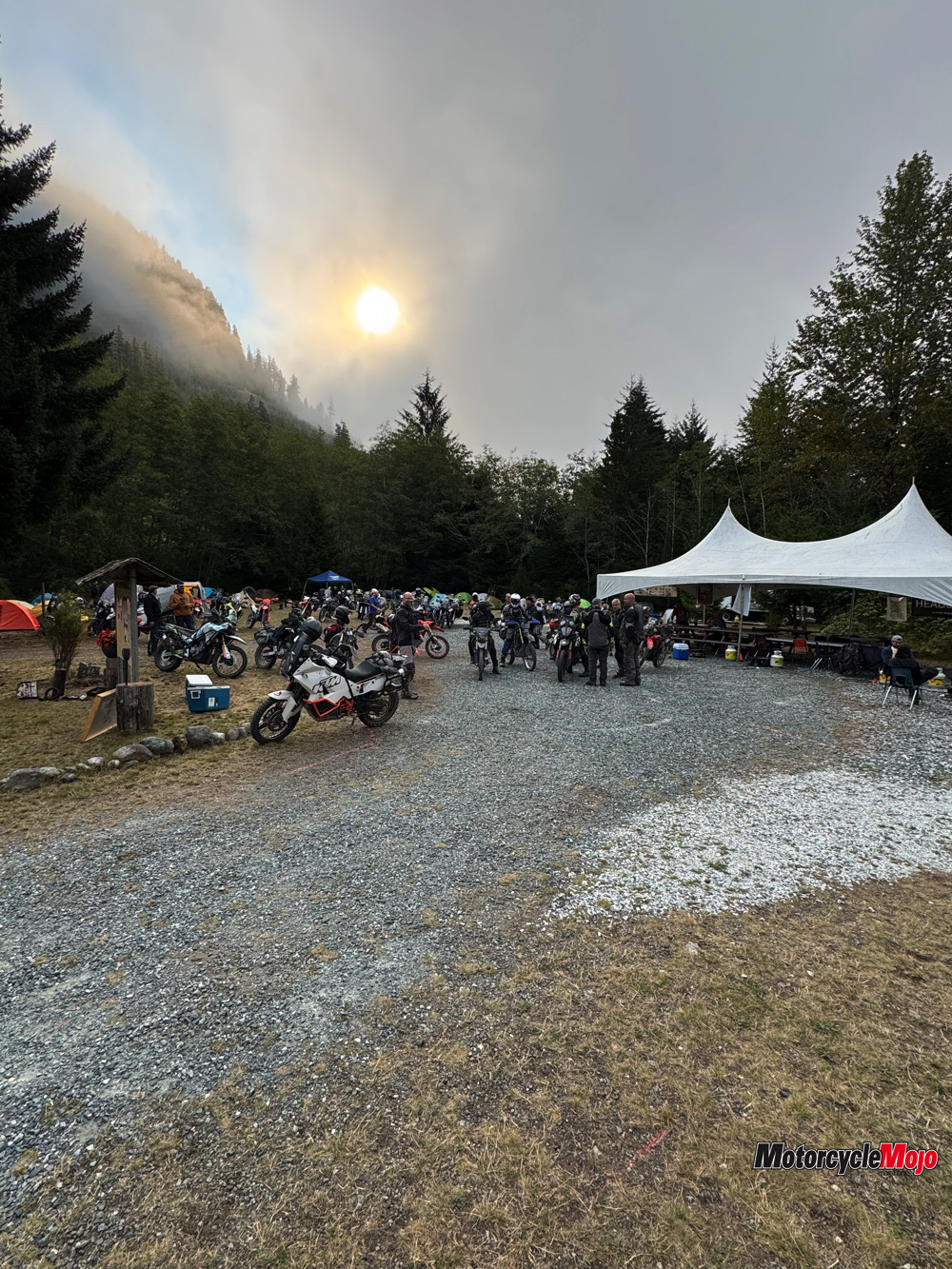
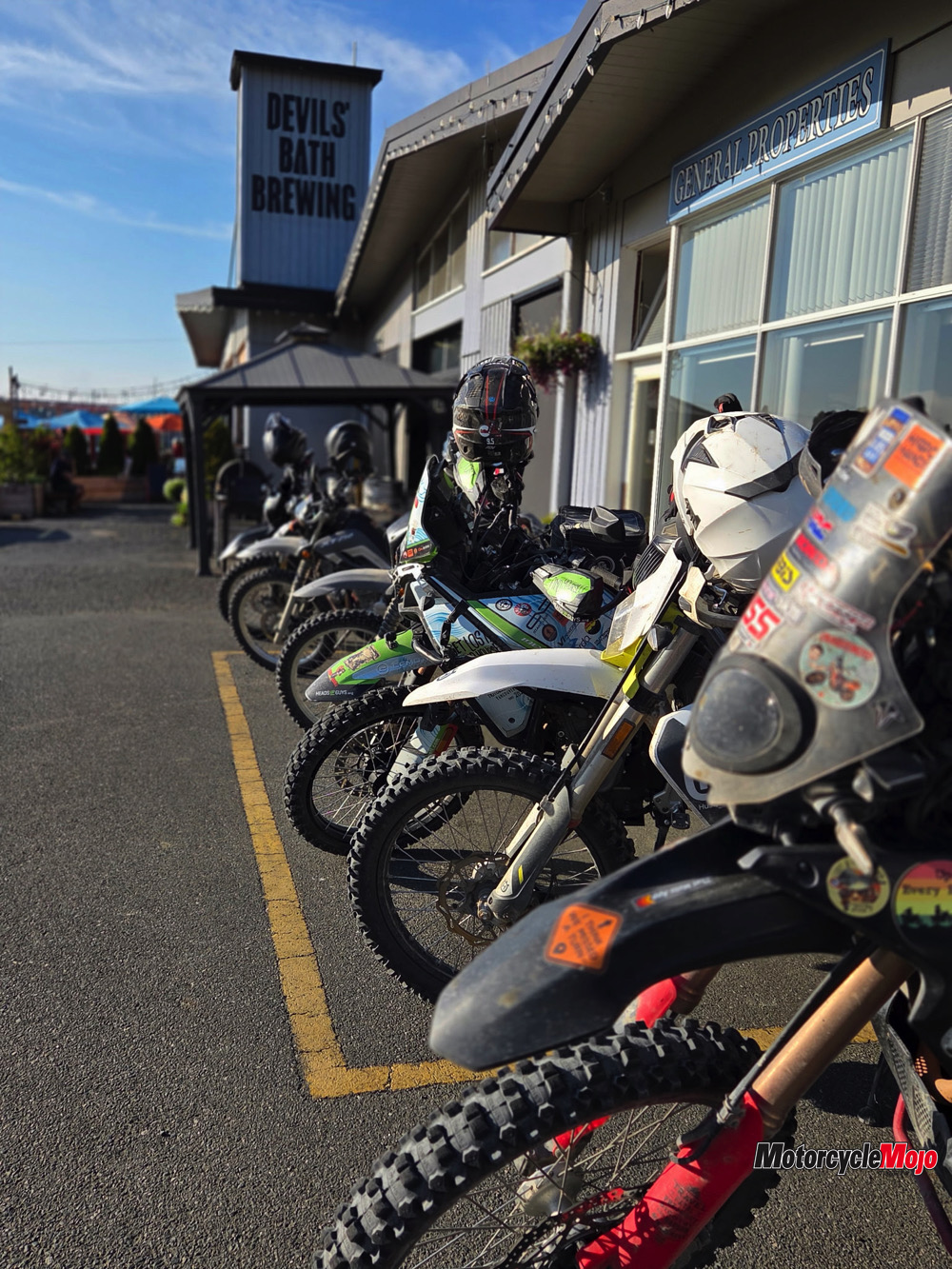
At first glance, a GLFY event looks like any other adventure motorcycle campout. Dual-sport and Adventure bikes parked in the field. Tents lining the trees. Riders swap stories about routes, breakdowns, and near misses. But woven through the weekend is something entirely different.
Mental-health workshops led by professionals. Guided conversations around stress, trauma, and identity. Informal one-on-one talks that stretch late into the night. There’s no forced sharing. No spotlight moments. Just space.
And that’s the point.
Many attendees describe GLFY as the first time they’ve ever been in a room — or around a campfire — where vulnerability felt safe. Where no one tried to fix them. Where listening mattered more than offering advice…





Thanks for Reading
If you don’t already subscribe to Motorcycle Mojo we ask that you seriously think about it. We are Canada’s last mainstream motorcycle magazine that continuously provides a print and digital issue on a regular basis.
We offer exclusive content created by riders, for riders.
Our editorial staff consists of experienced industry veterans that produce trusted and respected coverage for readers from every walk of life.
Motorcycle Mojo Magazine is an award winning publication that provides premium content guaranteed to be of interest to every motorcycle enthusiast. Whether you prefer cruisers or adventure-touring, vintage or the latest models; riding round the world or just to work, Motorcycle Mojo covers every aspect of the motorcycle experience. Each issue of Motorcycle Mojo contains tests of new models, feature travel stories, compelling human interest articles, technical exposés, product reviews, as well as unique perspectives by regular columnists on safety or just everyday situations that may be stressful at the time but turn into fabulous campfire stories.
Thanks for considering a subscription. The Mojo team truly appreciates it.
