

All Aboard the Northern Adventure






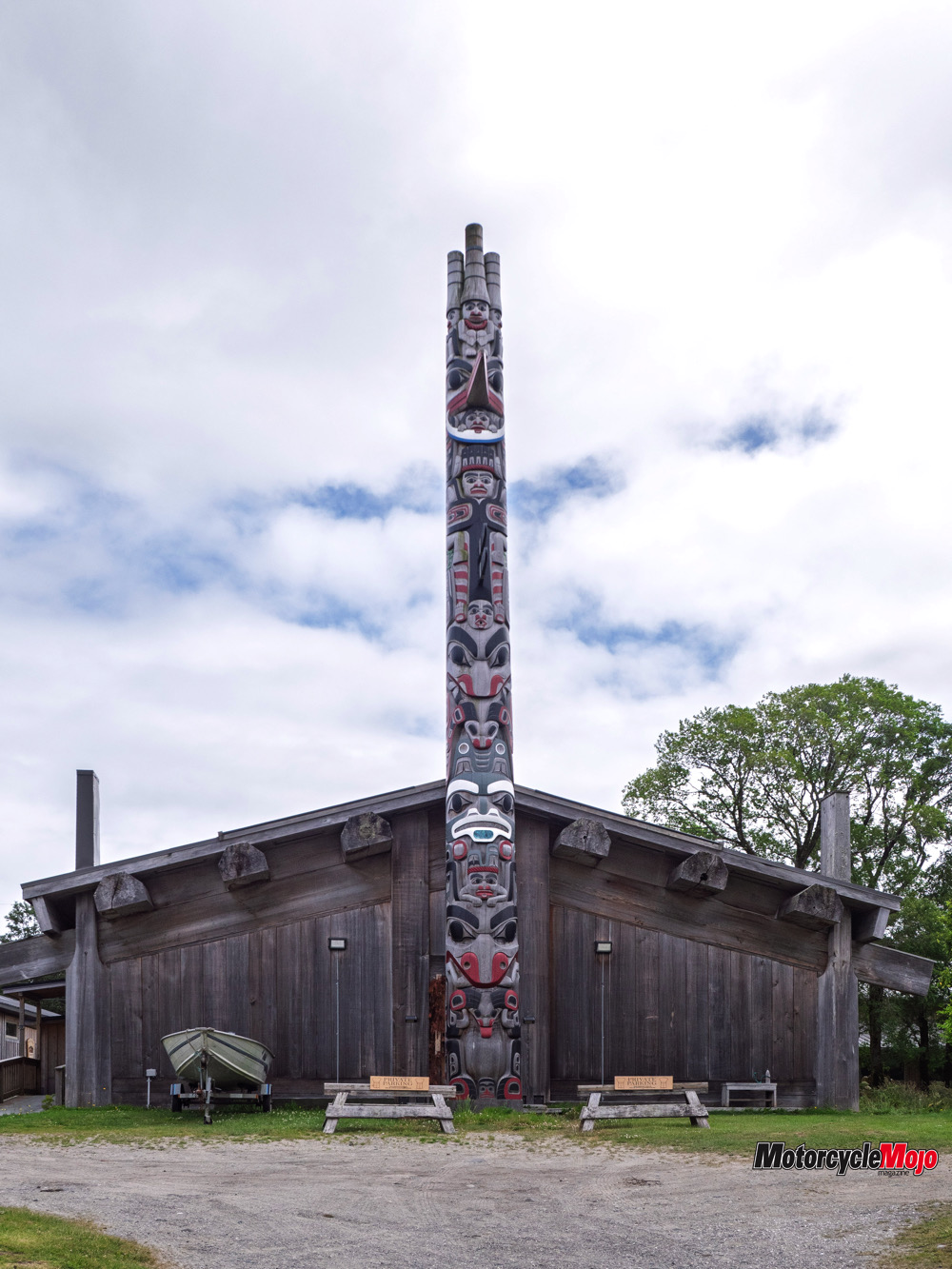
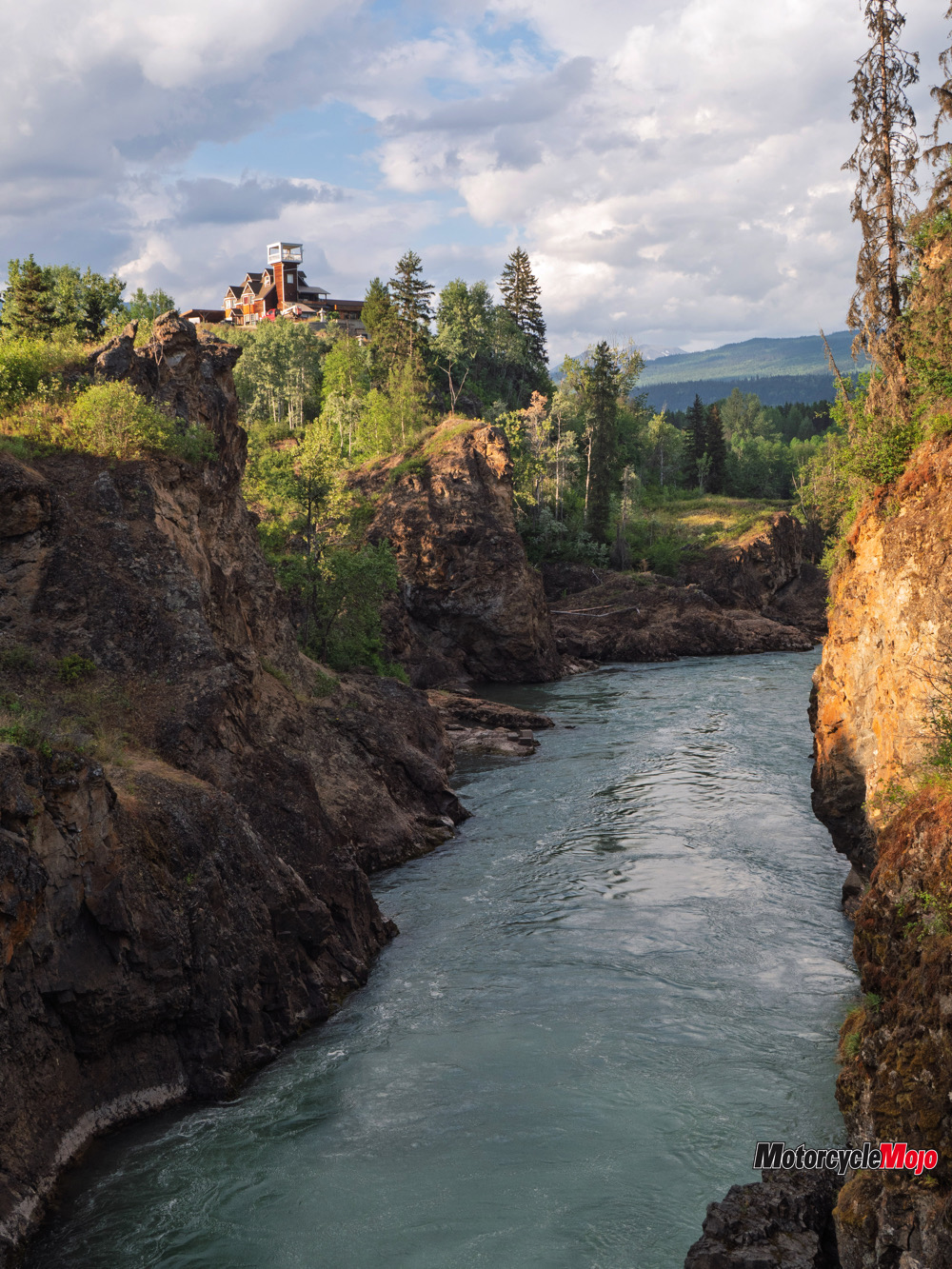

Escaping the dry heat of the Okanagan for the chilly rain of Haida Gwaii.
It’s 6 a.m. The rain has stopped and it’s 13 C in Prince Rupert, B.C. I’m packing away a very wet tent and making a cup of tea before heading out to the ferry. At this point, I’m not sure whether I’ll be able to get my 2007 BMW R1200R aboard for a seven-hour sailing to Haida Gwaii, but by all accounts, it seems likely, even though I don’t have a booking. I’m damp and cold, not so young anymore, and beginning to doubt my ability to endure what lies ahead.
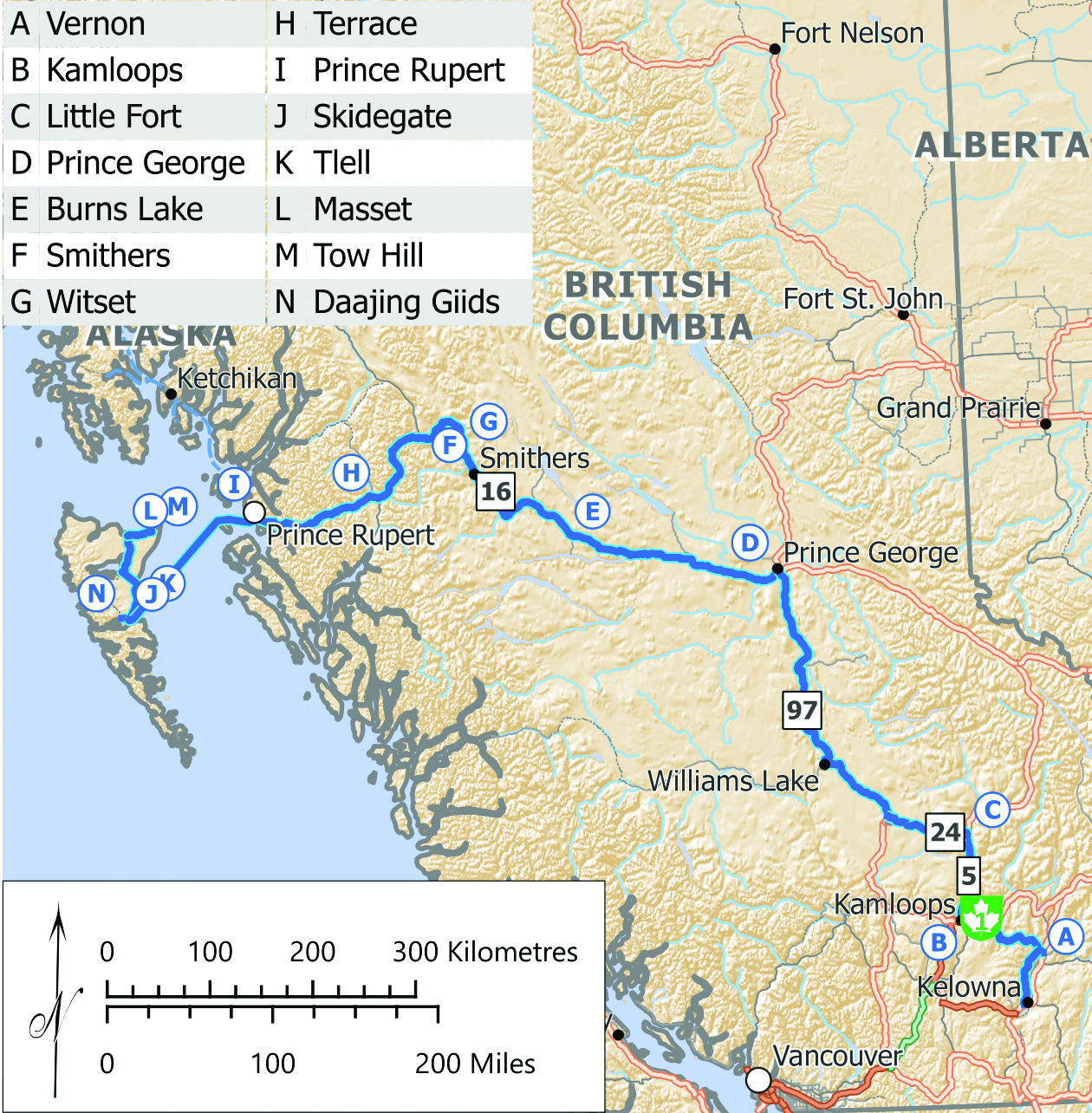
I left Vernon three days ago and rode 1,350 kilometres to get this far. I wanted to head north, destination unknown, to escape the Okanagan heat. The only criterion was I had to take some “new to me” highways. The first day involved going through Kamloops, Little Fort, 100 Mile House and then finally an overnight stop in Prince George. The next day I headed west on Highway 16 for Smithers. It was a pleasant enough ride passing through Vanderhoof, Fraser Lake, Houston, Burns Lake, and Telkwa.
The first time I travelled through the B.C. Interior some 20 years ago, I was very surprised at how flat parts of it actually are — almost prairie flat. From Williams Lake to Prince George, it’s just gently rolling hills and pastoral farmland, with the occasional peek into the Fraser Canyon. From Prince George to Vanderhoof, there’s a mix of forest and hay fields. Unremarkable distant hills poke above the horizon, but that’s it — not the typical B.C. that many imagine.
A CHANGING LANDSCAPE
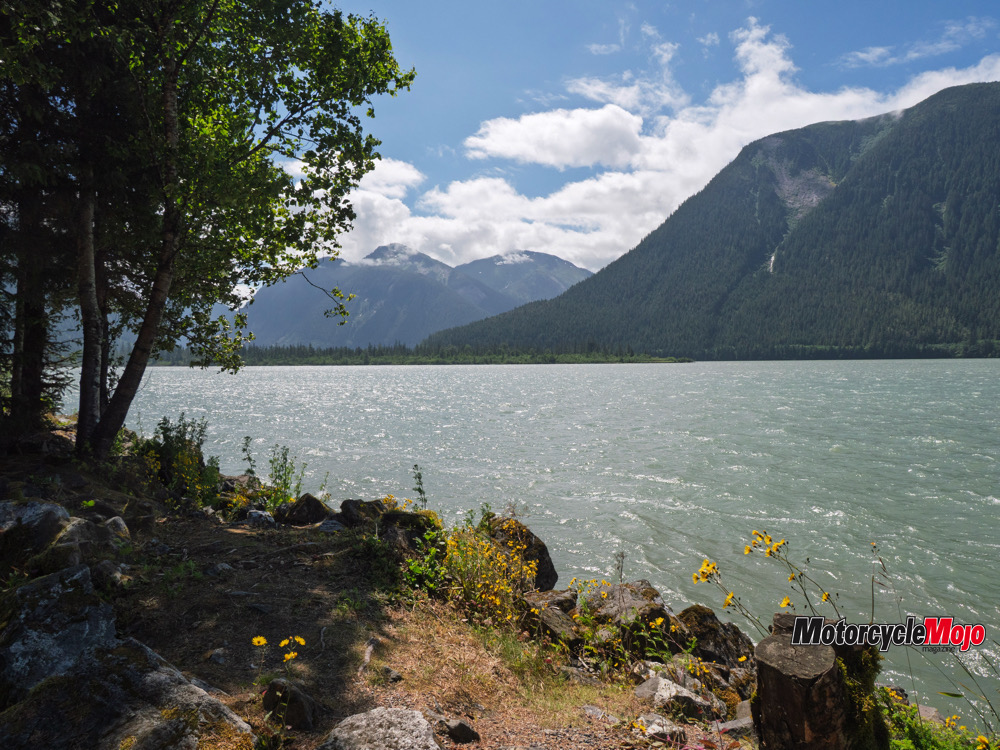
Approaching Fraser Lake, there’s a hint of things to come, with rugged outcrops rising ever so slightly and embracing the lake. I took a break at a lakeside park to enjoy the sunshine and breeze. On the western horizon, massive thunderheads were rearing up, maybe an hour or two away, but right in my path. The Central Interior was experiencing a July heatwave, and it was coming to an end.
Approaching Burns Lake, the slopes steepened into forested hills, and lakes stretched out and glistened in the sun. The town, like others gathered on the highway every 100 km or so, has all the North American basics and, if not for the surrounding geology, it would be hard to tell one from another.
From then on, the landscape gets more exciting. The road climbs a bit and then I was rewarded with the stunning view from the aptly named Six Mile Hill. It’s hard to make a safe photo stop and the heavens were about to unload tons of water from one of those thunder heads I saw a couple of hours…





Thanks for Reading
If you don’t already subscribe to Motorcycle Mojo we ask that you seriously think about it. We are Canada’s last mainstream motorcycle magazine that continuously provides a print and digital issue on a regular basis.
We offer exclusive content created by riders, for riders.
Our editorial staff consists of experienced industry veterans that produce trusted and respected coverage for readers from every walk of life.
Motorcycle Mojo Magazine is an award winning publication that provides premium content guaranteed to be of interest to every motorcycle enthusiast. Whether you prefer cruisers or adventure-touring, vintage or the latest models; riding round the world or just to work, Motorcycle Mojo covers every aspect of the motorcycle experience. Each issue of Motorcycle Mojo contains tests of new models, feature travel stories, compelling human interest articles, technical exposés, product reviews, as well as unique perspectives by regular columnists on safety or just everyday situations that may be stressful at the time but turn into fabulous campfire stories.
Thanks for considering a subscription. The Mojo team truly appreciates it.
