

My Favourite Sportster Generation


Harley-Davidson Sportsters are among my favourite motorcycles. They’re simple, slender, easy to maintain, and, for the most part, they look great. There have been many generations since their introduction in 1957; I’ll discuss the ones I’ve either owned or thought of owning — and I do have a favourite.
1982 to 1985 — The first Sportster I ever considered buying was a 1985 XLX-61. It was introduced in ’83 and was based on the new, lighter frame introduced the year before, which had fewer cast-iron sections and had the battery mounted on the left side beside the oil tank, instead of being surrounded by it, where it got excessively hot. The XLX appealed to me because it was a beautifully bare, 1,000-cc (61 cu.in.) motorcycle with a solo saddle, grey, unpolished engine covers, and a single round gauge mounted within a wide dirt-track style handlebar.
As it had always been, the engine was mounted rigidly to the frame, but in 1984 it had had its finicky and weak generator replaced by an alternator. This alternator engine was easily identified by the oil filter mounted at the front of the engine, just below the cylinder, where the generator had been mounted since 1957.
The alternator was incorporated into the clutch basket, inside the primary case. While this system required less maintenance and had an improved charging output, it had some other problems, which transferred to the next generation of Sportster. The ’85 model was the last of the Ironhead Sportsters with cast-iron cylinders and heads that made the bike top heavy.
1986 to 1990 — By 1986, I had saved enough to buy the XLX, but that was the year the XLH 883 was launched. It had the 883-cc, all-aluminum Evolution engine that was lighter, more efficient, and ran much cooler. It became my first Sportster. The 883 had the same frame as the previous generation, and while the Evo engine got maintenance-free hydraulic lifters, it still had four speeds and had the same problematic alternator as the final iteration of the Ironhead.
The rotor magnets were glued to the backside of the clutch basket and spun around the stator mounted to the transmission door. The glue holding the magnets in place would deteriorate with age, eventually causing them to drop onto the stator. This was exacerbated by a clutch basket that would also wobble on its bearing with age, making contact with the stator inevitable.
Needless to say, this killed the charging system and made a mess, though fortunately the magnets were powerful enough to catch most of the debris. Later replacement clutch baskets had magnets held in place solidly beneath a metal plate. If you have one of these early Sportsters with glued-on magnets, replace the clutch basket as a preventive measure.
1991 to 2003 — In 1991, the Sportster got a five-speed transmission, and the rotor and stator were moved from the clutch to the end of the crankshaft. This had two immediate benefits: The rotor was splined and bolted solidly to the end of the crank, thus eliminating any chance of wobbling, and since its rotation wasn’t affected by the primary gear ratio, it spun faster, which increased its output at any given rpm. It also made the Sportster almost bulletproof. I eventually sold my ’86 Sporty and got a brand-new ’96 model.
2004 to RIP — In 2004, the Sportster received the biggest change since its inception: its engine was rubber mounted to the frame. While this greatly improved rider comfort, it had a detrimental effect on high-speed handling, and it added weight — a lot of it.
The previous bike had its swingarm mounted directly to the frame, which provided more lateral rigidity between the wheels, whereas the new bike’s swingarm was mounted to the rear of the engine, which was rubber-mounted. This introduced lateral flexibility, which had an adverse effect on handling.
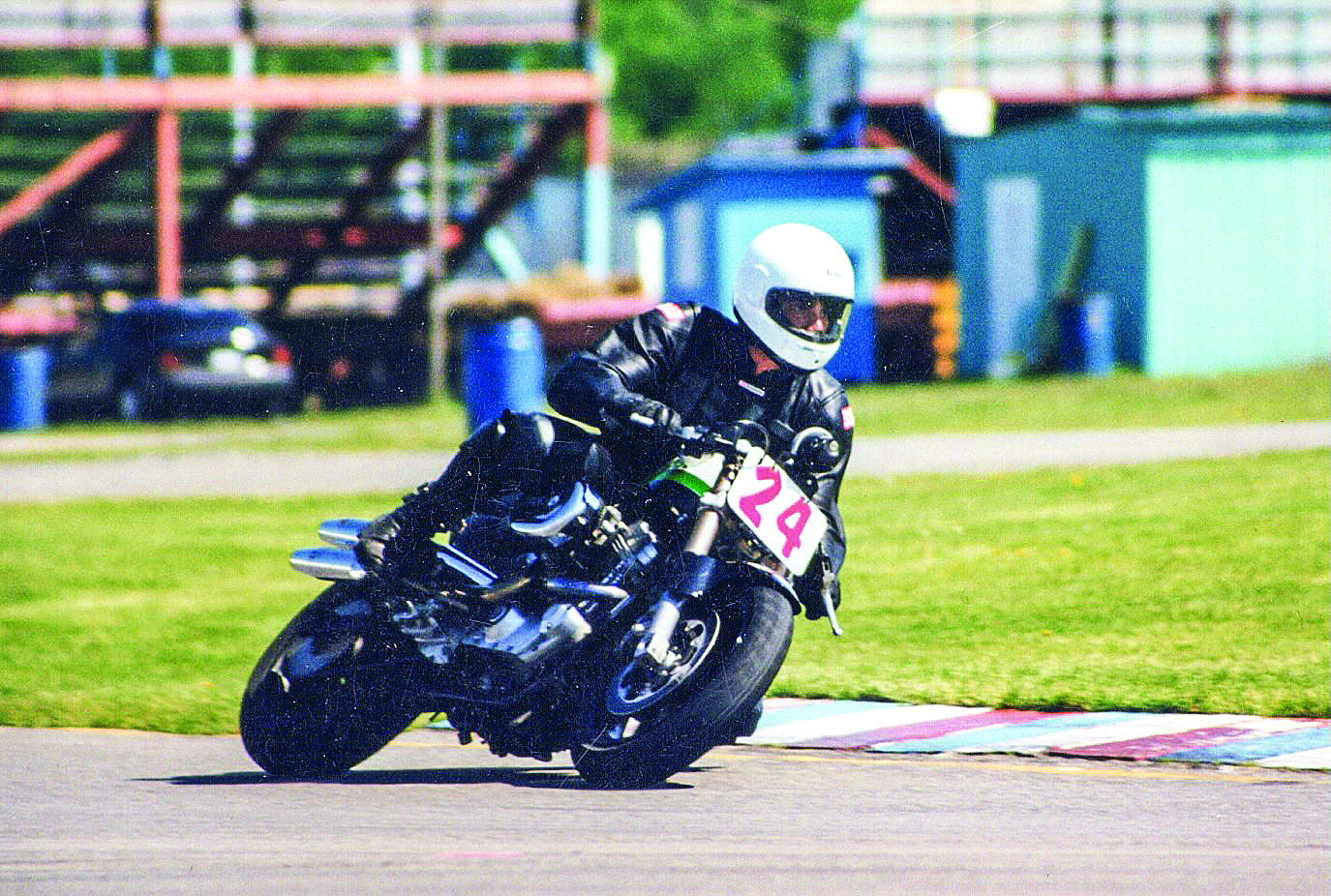
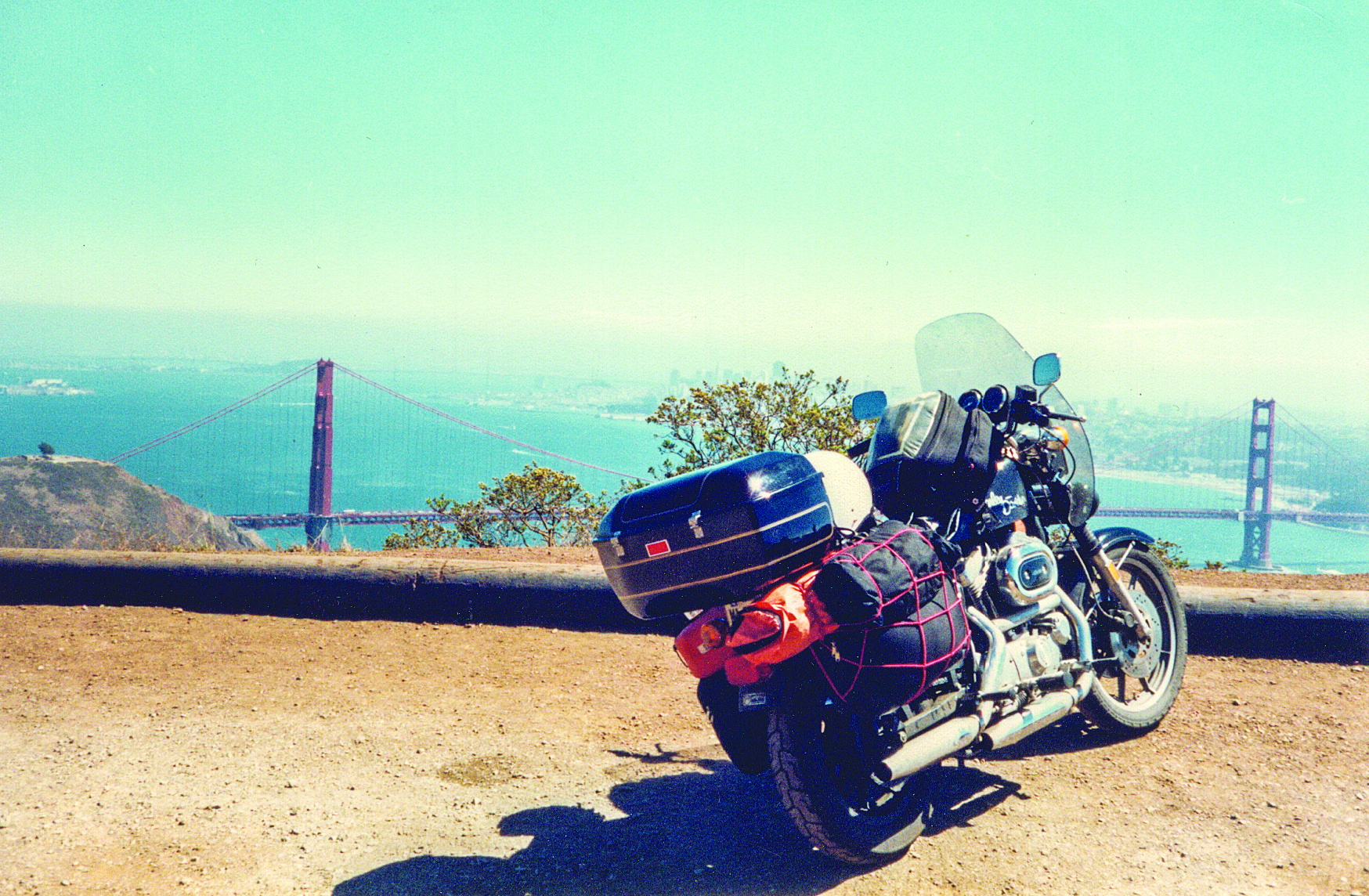
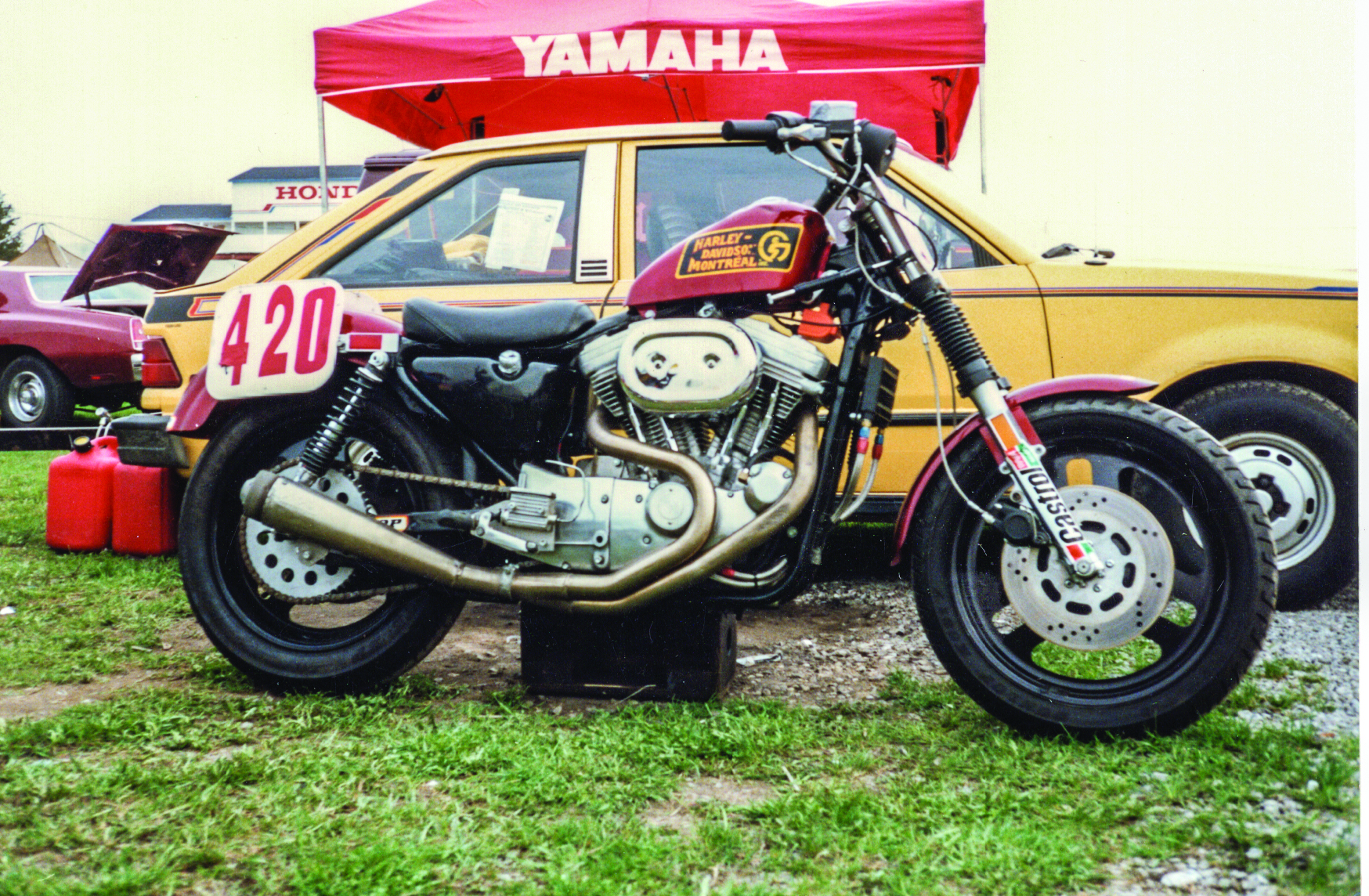
Also, because the rubber-mounted engine no longer contributed to overall chassis rigidity, the frame was made considerably beefier, with thicker-walled tubes. The frame was also bigger to make room for the engine that now rocked within. These, along with other changes, brought the weight from 221.8 kg (489 lb.) dry in 2003, to 251.7 kg (555 lb.) in 2004. This generation saw numerous changes, but its basic chassis was mostly unchanged until its demise in 2022.Though the Sportster name has been resurrected on the new Revolution Max platform, this liquid-cooled machine doesn’t exude the heritage of the air-cooled 45-degree pushrod V-twin bikes of the past. Which brings me to my favourite generation: The five-speed, rigid-mounted Sportys made from 1991 to 2003. I’ve had two of them, one of which had been road raced, drag raced, ridden across North America, and even ridden extensively off road. This, to me, makes this Sportster among the most versatile and reliable motorcycles ever made.





Thanks for Reading
If you don’t already subscribe to Motorcycle Mojo we ask that you seriously think about it. We are Canada’s last mainstream motorcycle magazine that continuously provides a print and digital issue on a regular basis.
We offer exclusive content created by riders, for riders.
Our editorial staff consists of experienced industry veterans that produce trusted and respected coverage for readers from every walk of life.
Motorcycle Mojo Magazine is an award winning publication that provides premium content guaranteed to be of interest to every motorcycle enthusiast. Whether you prefer cruisers or adventure-touring, vintage or the latest models; riding round the world or just to work, Motorcycle Mojo covers every aspect of the motorcycle experience. Each issue of Motorcycle Mojo contains tests of new models, feature travel stories, compelling human interest articles, technical exposés, product reviews, as well as unique perspectives by regular columnists on safety or just everyday situations that may be stressful at the time but turn into fabulous campfire stories.
Thanks for considering a subscription. The Mojo team truly appreciates it.
