

Thor Model 13U


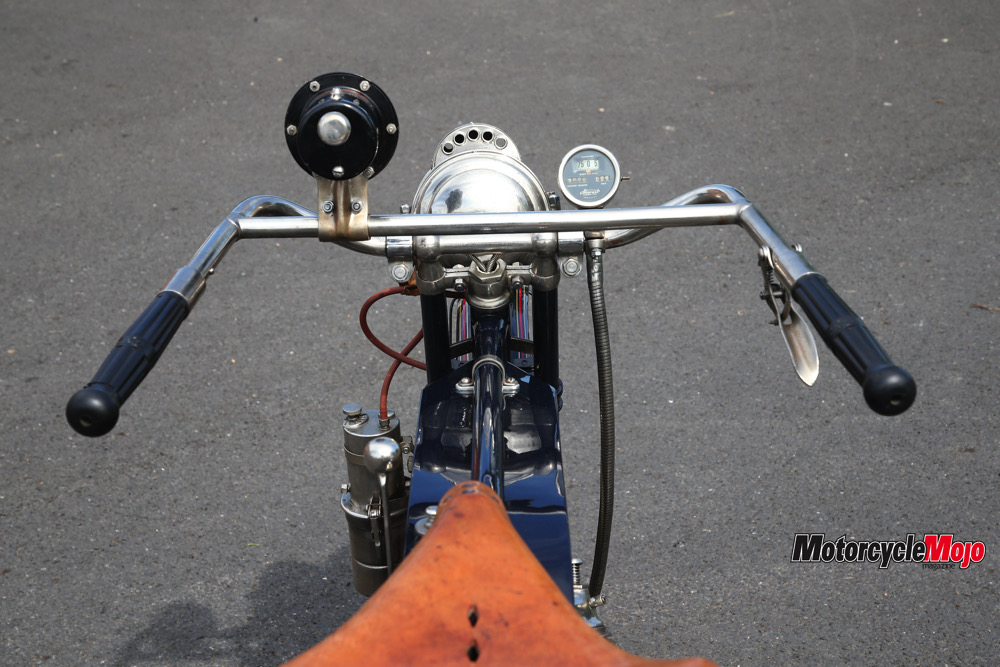
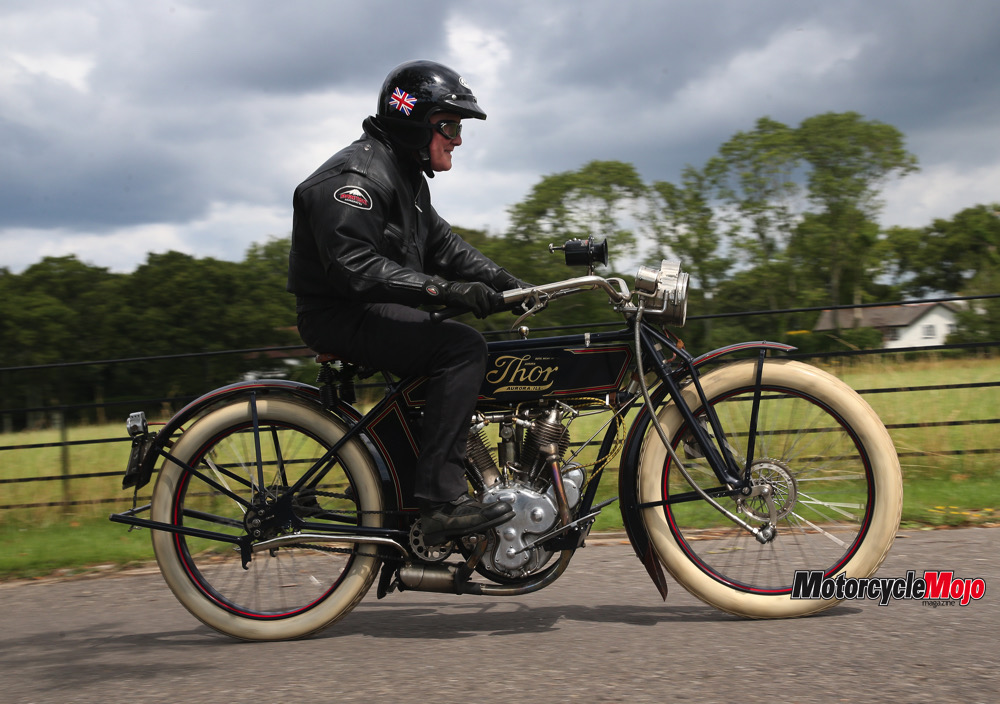
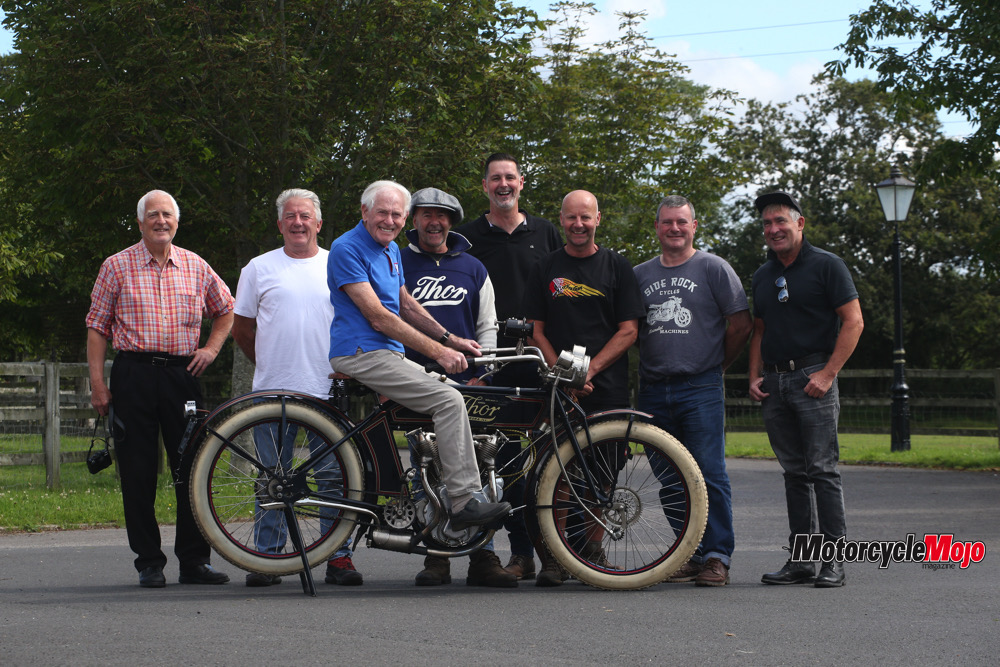


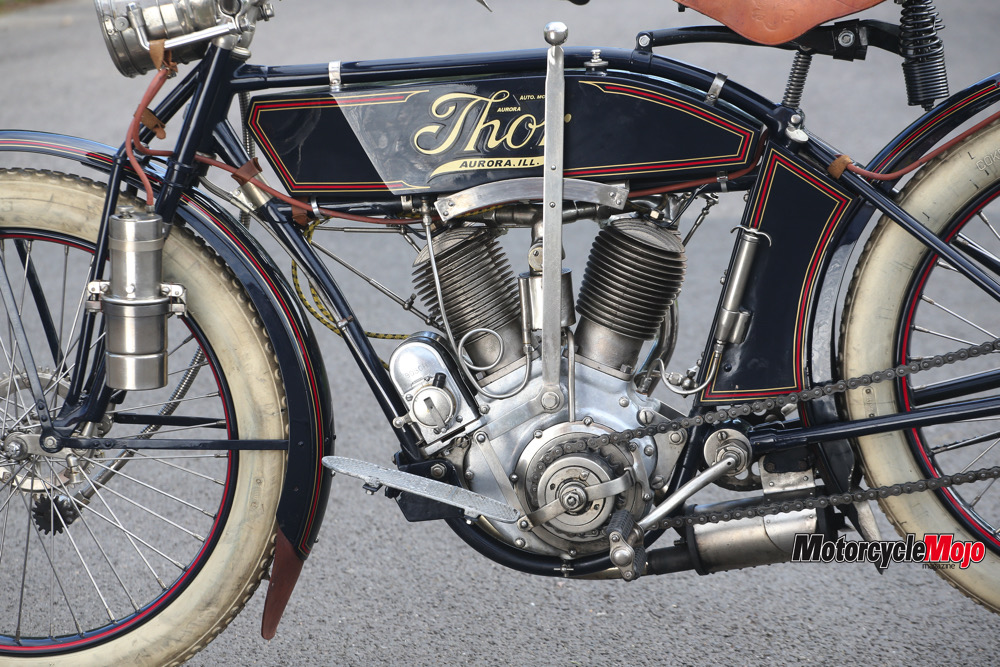
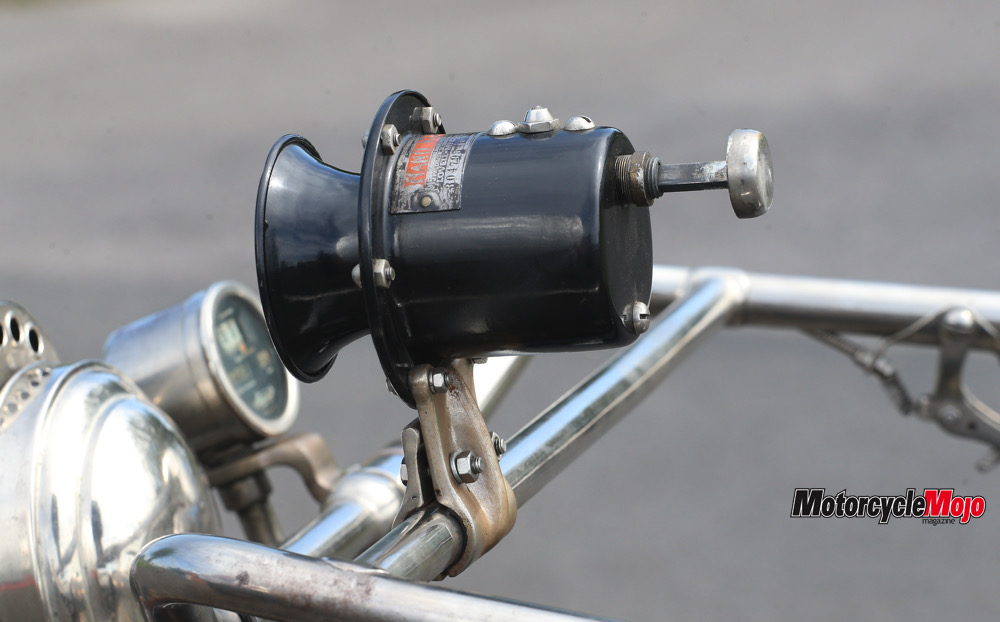


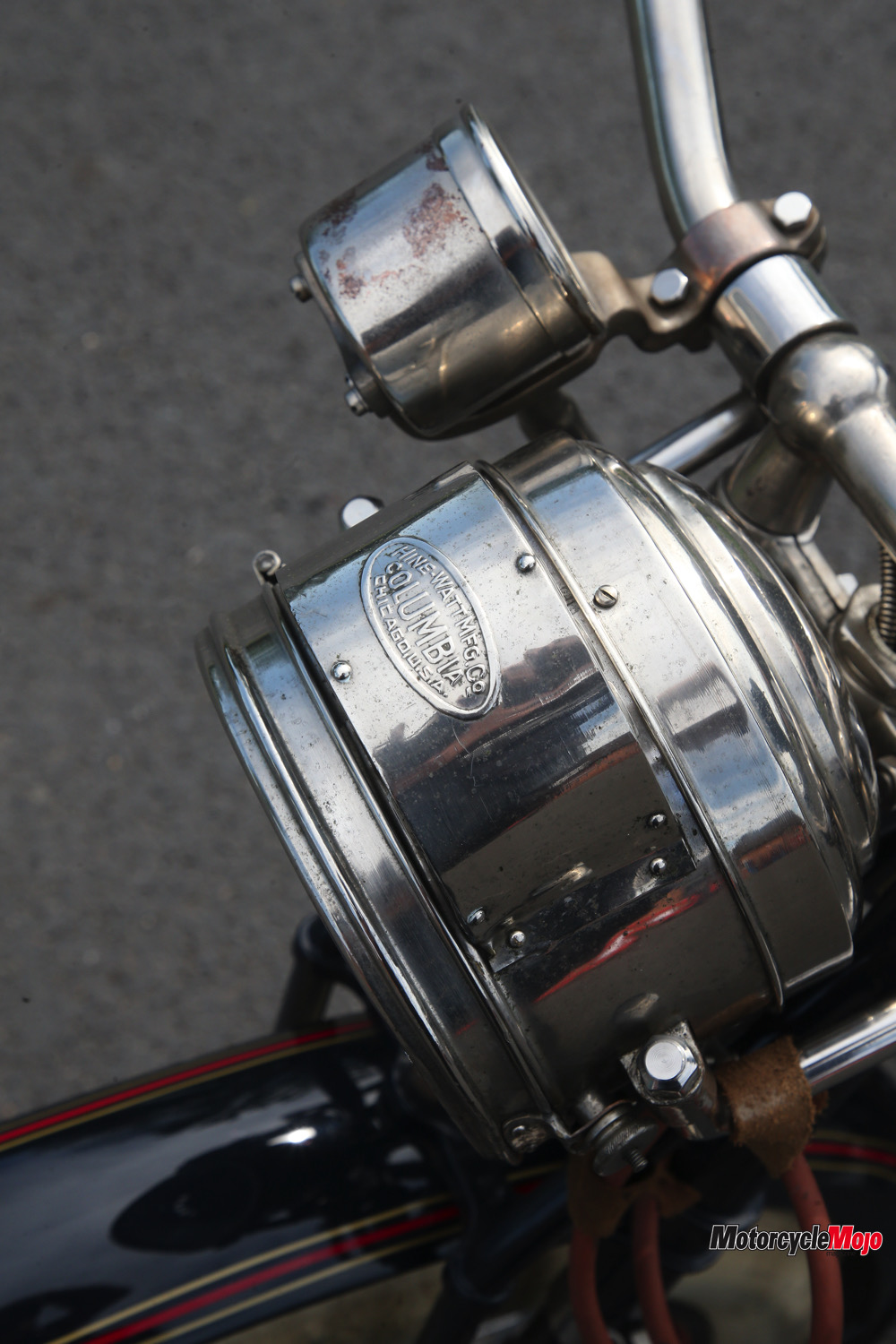
Thor manufactured motorcycles for only a few years, making those that remain very rare indeed
The pioneer years of American motorcycling from 1901 to 1916 saw almost 300 different manufacturers — of varying degrees of financial solvency and technical prowess — attempt to carve out a place for themselves in this exciting new arena of mechanized personal transportation. To do so, many of them, as little more than parts-bin assembly shops, relied on the engines produced by the Aurora Automatic Machinery Company (AAM) of Aurora, Ill..
AAM was founded in 1886 as a machine shop by Axel Levedahl and his associates, and grew swiftly thereafter as a key manufacturer of components for America’s flourishing bicycle industry, offering wheel hubs, spokes, nipples, handlebars, pedals, and more. In the late 1890s, it was acquired by the Hurley family’s Thor Power Tool Company, manufacturers of pneumatic hammers used in the construction of railway locomotives and rolling stock, also based in Aurora. In 1906, Neil C. Hurley and his brother Edward formed the Hurley Machine Company, whose initial product was the Thor washing machine, duly patented as the first electric washing machine in the world.
ENGINES BUILT FOR SERIES PRODUCTION
Nine hundred miles due east, the leader of the pack in the early days of American motorcycling was Springfield, Mass.-based Indian Motocycle Company. But when
bicycle racer and manufacturer George Hendee teamed up with fellow cyclist and technical whiz Oscar Hedstrom in 1900 to build the first single-cylinder Indian “Camelback”
motorcycle (so named after the curved fuel tank above the rear wheel), which appeared the following year, replicating it for public sale in Hendee’s cycle factory in Springfield was impossible.
While its facilities were sufficient to manufacture the cycle parts of Indian’s so-called “moto cycles,” it lacked a foundry to cast and machine the crankcase, cylinder and other such components for series production, even down to the carburetor. Hedstrom had cast these himself using patterns he’d made by hand. But even constructing the three motorcycles he built in 1901, two of which were sold, proved an arduous, time-consuming task. To put the all-chain drive machine into series production was impossible without outside assistance. So, in 1902, the Indian chiefs reached agreement with AAM, now a subsidiary of Thor and already a supplier since the early 1890s to Hendee’s cycle factory, to build the engines for Indian. Oscar Hedstrom took the third Indian he’d built the previous year to the Aurora factory and spent five months there working with them to produce a revised version of his De Dion-based engine design, which AAM then put into production for Indian…





Thanks for Reading
If you don’t already subscribe to Motorcycle Mojo we ask that you seriously think about it. We are Canada’s last mainstream motorcycle magazine that continuously provides a print and digital issue on a regular basis.
We offer exclusive content created by riders, for riders.
Our editorial staff consists of experienced industry veterans that produce trusted and respected coverage for readers from every walk of life.
Motorcycle Mojo Magazine is an award winning publication that provides premium content guaranteed to be of interest to every motorcycle enthusiast. Whether you prefer cruisers or adventure-touring, vintage or the latest models; riding round the world or just to work, Motorcycle Mojo covers every aspect of the motorcycle experience. Each issue of Motorcycle Mojo contains tests of new models, feature travel stories, compelling human interest articles, technical exposés, product reviews, as well as unique perspectives by regular columnists on safety or just everyday situations that may be stressful at the time but turn into fabulous campfire stories.
Thanks for considering a subscription. The Mojo team truly appreciates it.
