

Norton Gets The Last Laugh


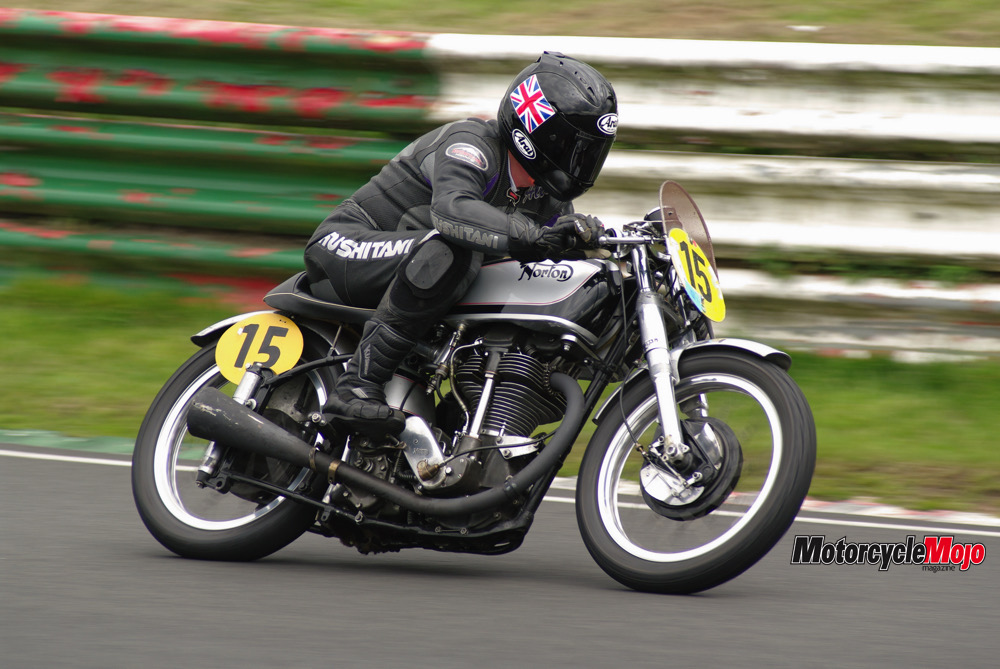
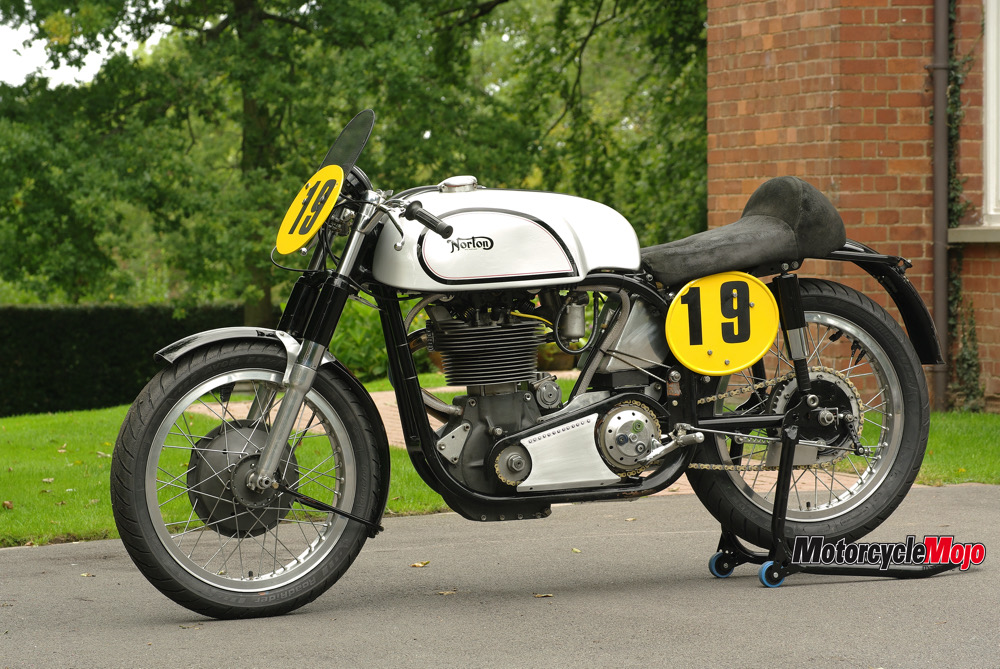
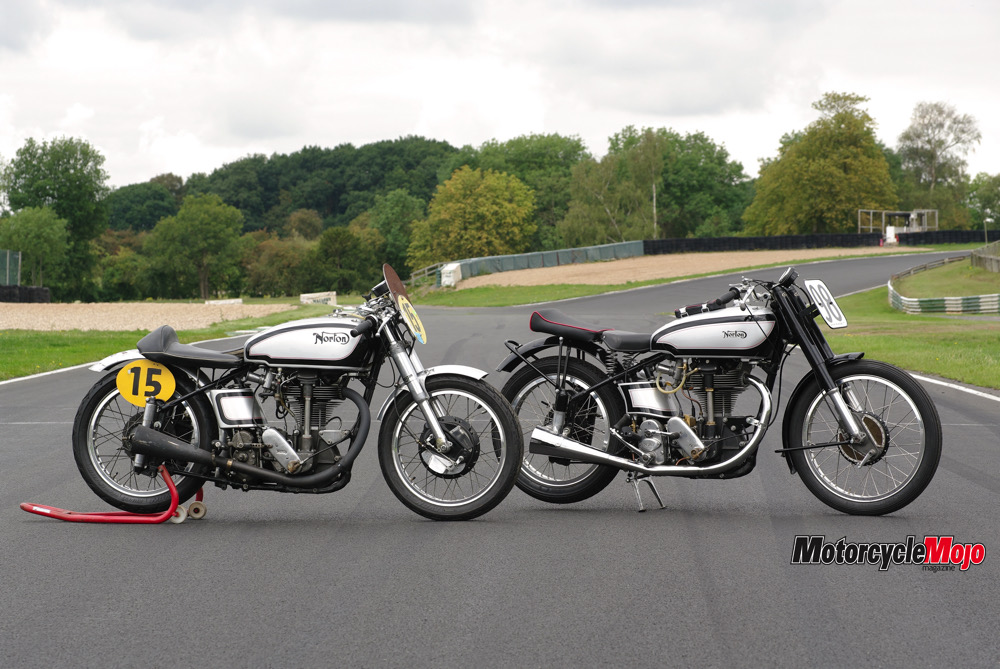
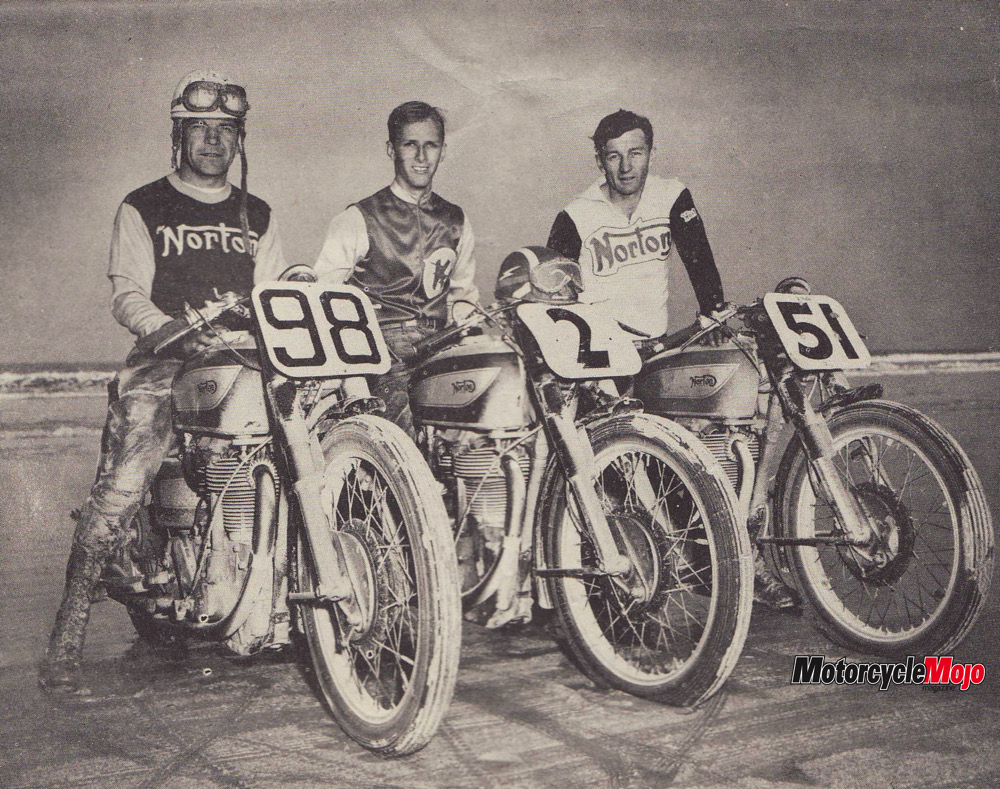
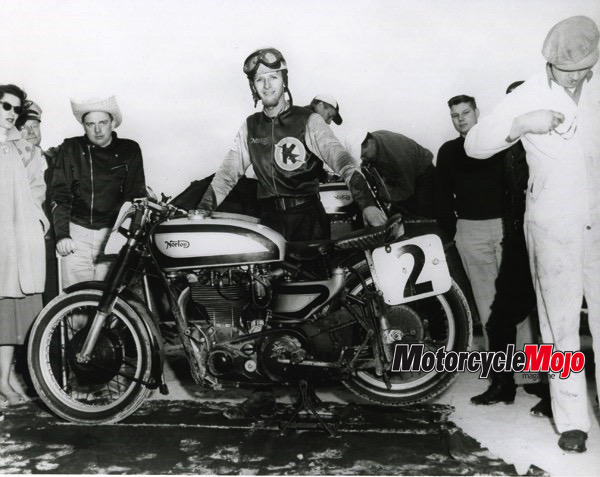
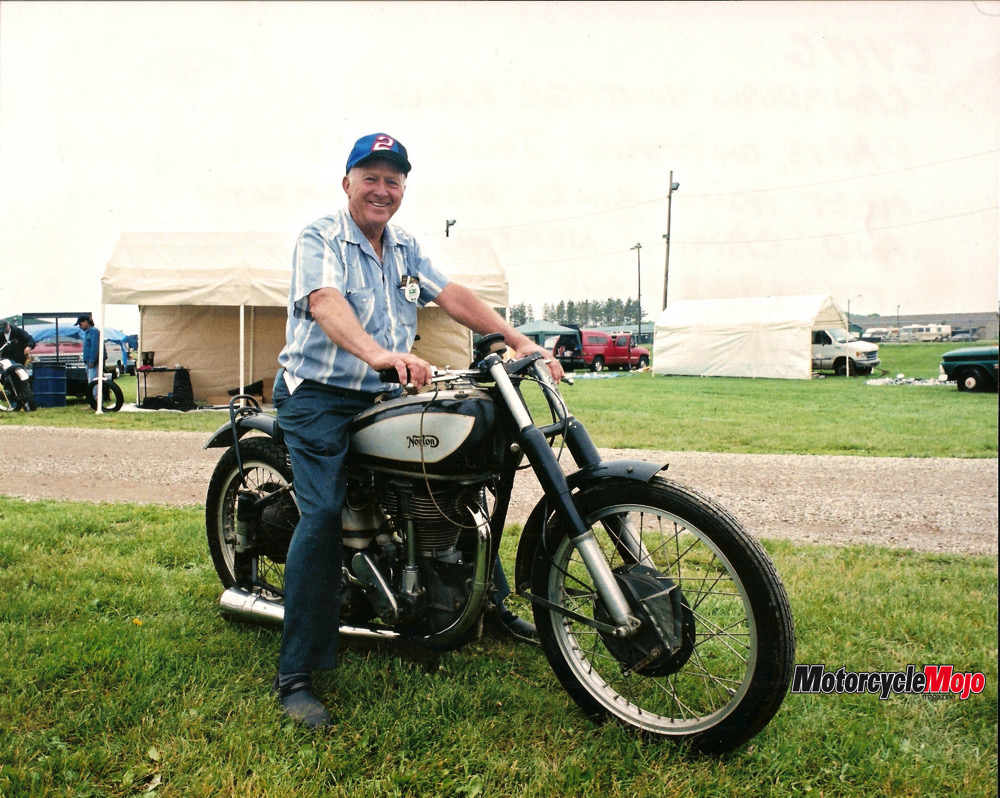
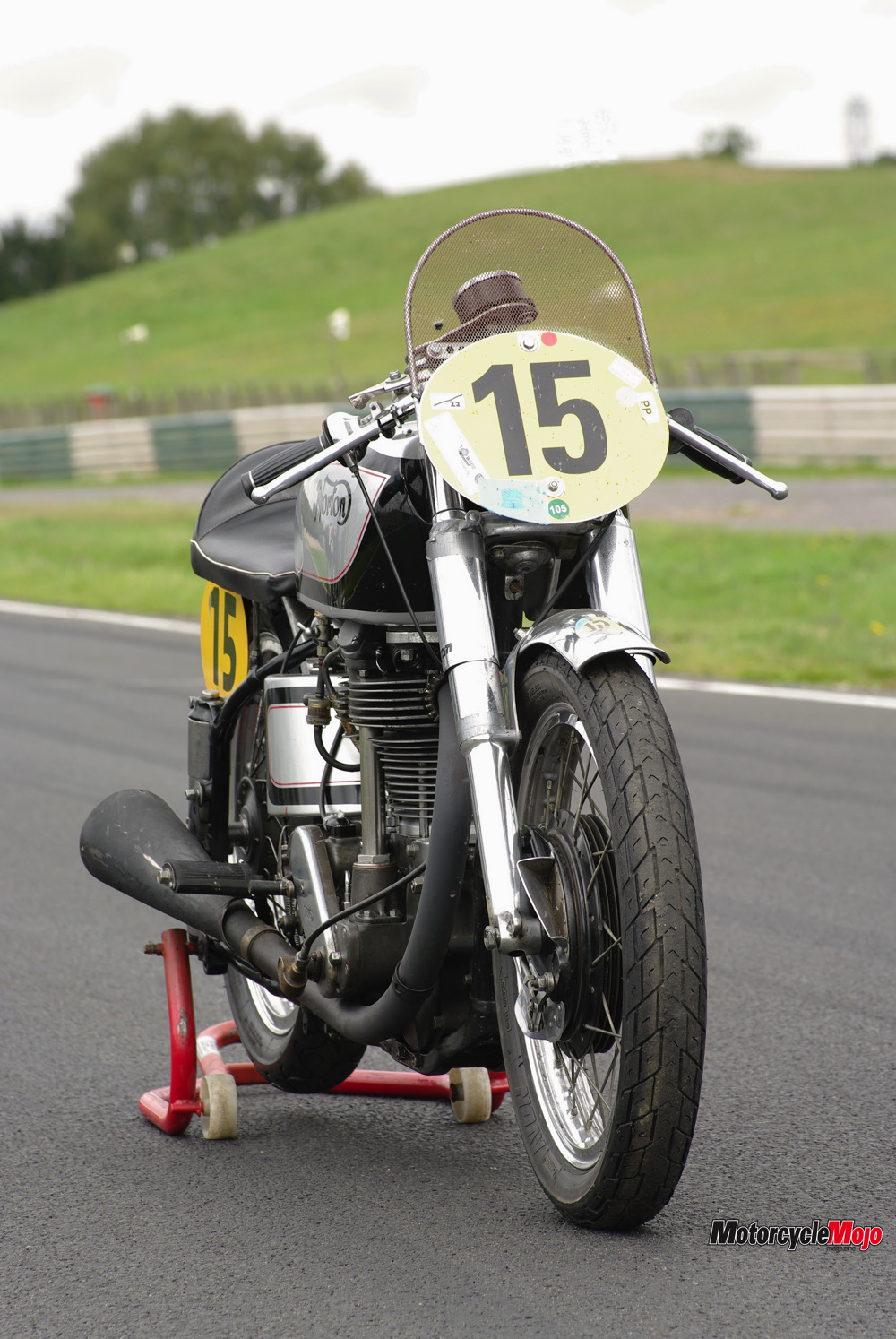


A brief history of the Daytona 200 Beach Course and Norton’s total dominance in the famous race.
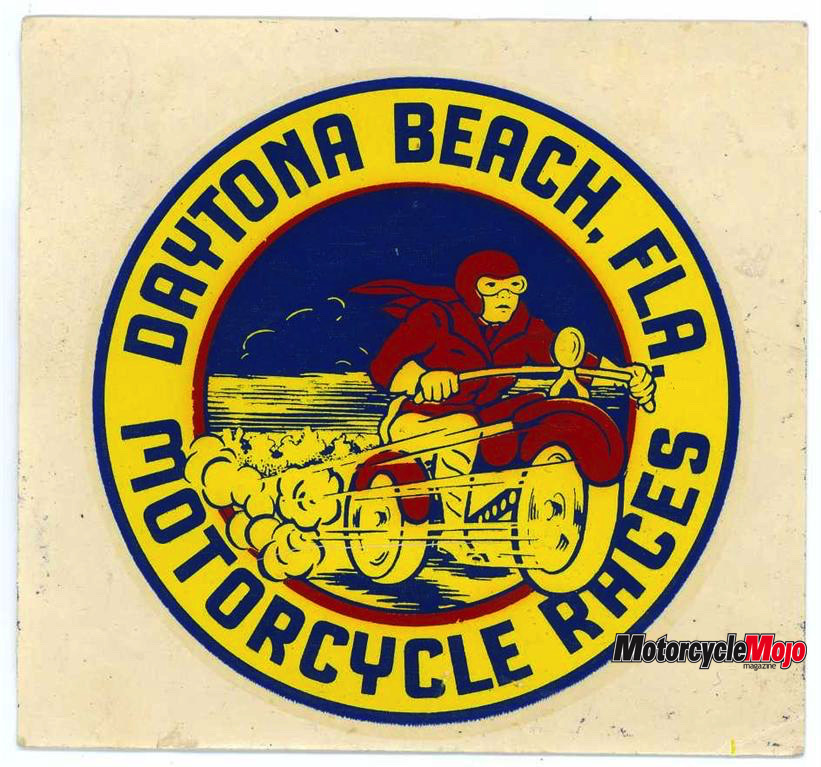
It’s been more than 60 years since a race was last held there, but should you ever go to Daytona Beach and head south along the sand from the high-rise hotels and low-rise bars of the self-styled World’s Most Famous Beach, you’ll eventually come to the distinguishable remains of the old Beach Course, which hosted the running of the Daytona 200-mile race until 1961. In that year, the present- day Speedway, with its famously steep 31-degree banking, came into operation, leaving the palmetto shrubs on one side, and the rolling Atlantic breakers on the other, to gradually erode a piece of American racing history.
The Beach Course
First used for motorcycles in 1937, the Beach Course’s North Turn is marked today by a weather-beaten hostelry aptly enough named the Old Timers’ Bar. There’s a cut through the sand dunes on to the road leading down to Ponce Inlet, which — though now largely re-modelled — in some parts still shows traces of the narrow, bumpy tarmac straight along which riders ran flat out for two miles in a southerly direction, along the sand bar dividing the ocean from the Florida Inland Waterway.
There, they’d slow down before flinging their bikes to the left for the dead flat South Turn out onto the beach, sending up rooster tails of sand as they accelerated wide open out toward the water’s edge where the sand was harder and gave better grip. Then it was north for another two miles, again flat-out in top gear, but this time treading the perilous path between water and land, before slowing once more — though not as much — for the banked North Turn that took them left back onto the tarmac.
A 4.2 mile (6.75 km) track with only two corners may not sound like much, but as a gruelling test of man and machine it had few equals anywhere in the world as an arduous high-speed challenge, and especially in the postwar era after the demise of Britain’s Brooklands bowl, and the U.S.A.’s board tracks.
The All-Important Daytona 200
But it was in those difficult days for European manufacturers after the Second World War that the British motorcycle industry discovered the U.S.A., a vast potential market which for many years provided rich pickings for them. Success in competition, and especially in the crucial Daytona 200, was an important yardstick by which a marque’s excellence was judged, hence the reason that in 1948, Norton’s managing director Gilbert Smith decided to enter a team of specially prepared factory machines…





Thanks for Reading
If you don’t already subscribe to Motorcycle Mojo we ask that you seriously think about it. We are Canada’s last mainstream motorcycle magazine that continuously provides a print and digital issue on a regular basis.
We offer exclusive content created by riders, for riders.
Our editorial staff consists of experienced industry veterans that produce trusted and respected coverage for readers from every walk of life.
Motorcycle Mojo Magazine is an award winning publication that provides premium content guaranteed to be of interest to every motorcycle enthusiast. Whether you prefer cruisers or adventure-touring, vintage or the latest models; riding round the world or just to work, Motorcycle Mojo covers every aspect of the motorcycle experience. Each issue of Motorcycle Mojo contains tests of new models, feature travel stories, compelling human interest articles, technical exposés, product reviews, as well as unique perspectives by regular columnists on safety or just everyday situations that may be stressful at the time but turn into fabulous campfire stories.
Thanks for considering a subscription. The Mojo team truly appreciates it.
