

Fighting Corrosion



Prevention is key to your bike’s longevity.
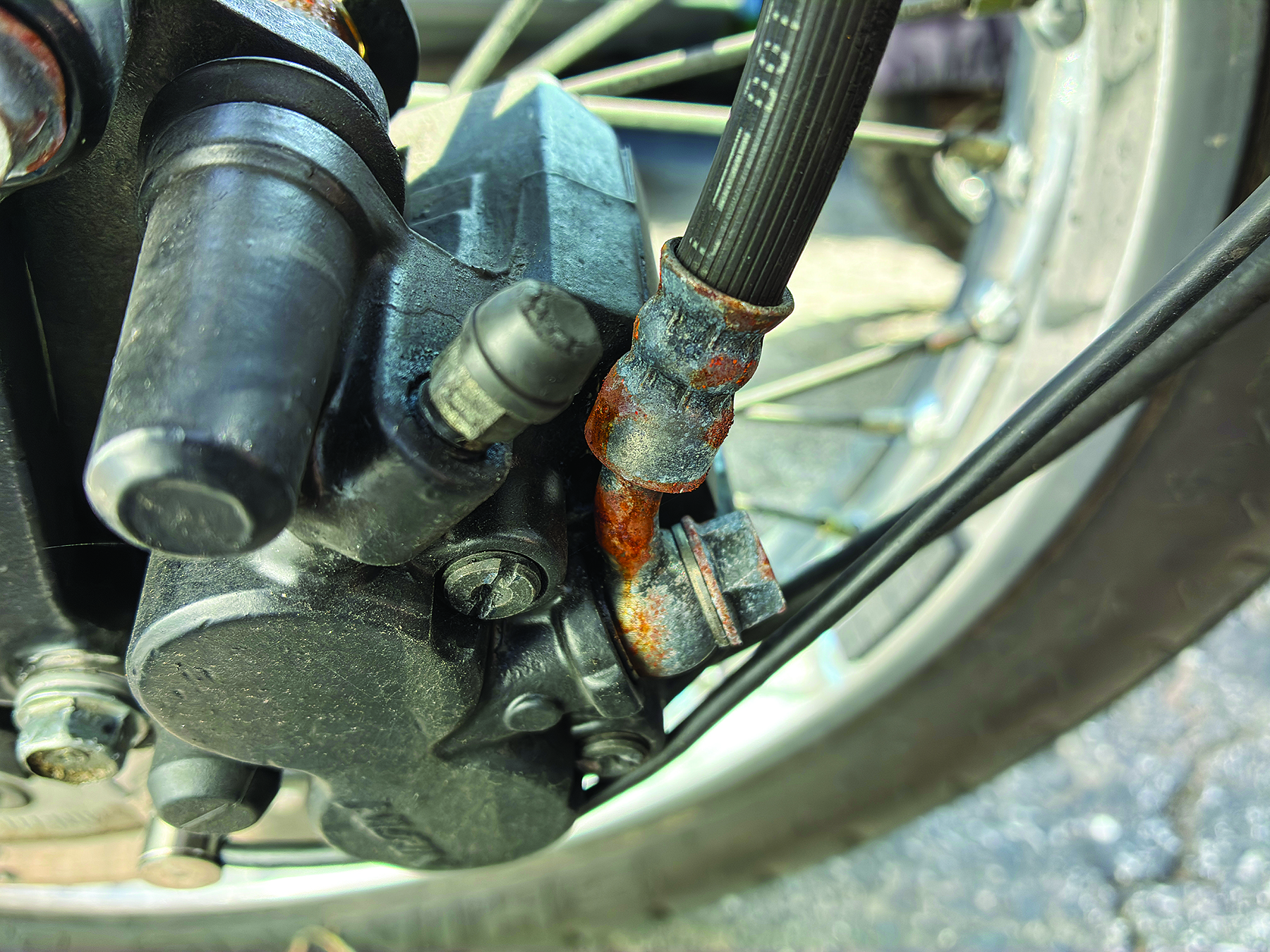
If you ride in Canada, you hate this time of year. The season is winding down and it’s time to put your bike away for the winter. You’re probably familiar with the steps you need to take for long-term storage — disconnecting the battery and taking steps to preserve the fuel and such. But what about corrosion? Actually, you should be taking steps throughout the year to prevent corrosion, even when your bike isn’t stored.
Fortunately, motorcycles don’t suffer from the level of corrosion that cars do. A new car can rot through in as little as 10 years, especially if it is located east of Manitoba, where salt is utilized on the roads in abundance during winter. Fortunately, motorcycles stay mostly off these salted roads in the off season. However, if improperly stored, or if they’re downright neglected, aluminum will corrode and steel will rust.
You can take steps to prevent corrosion from starting even before you store your bike. Parking it in a garage or shed is the first line of defense. The first sign that a bike sleeps out in the open is rust forming inside the recessed cavities of Allen bolts, where the wrench fits. A long time ago, manufacturers used to cap these bolts with plastic plugs, which served two purposes: they gave the bolts a more finished appearance, and they prevented water from accumulating inside the tool openings. Cost-cutting has eliminated these extra parts from the factory, but you can buy them either online or at a bike shop, in different sizes, and in either black or chrome.
If the bike is parked away from the sun and rain, it will be protected — well, mostly. Even if it’s parked in a shed and the shed sits on grass or dirt, the humidity inside will be almost as damaging as leaving the bike out in the open. Ventilation is the key here; air needs to circulate throughout the shed, whether through open windows or vents. A garage with a concrete floor is a better solution, though it, too, might be humid. A dehumidifier is an ideal addition, perhaps not so much in the winter, but when it’s humid outside in the summer, it’ll be humid inside that garage.
Wash your bike regularly, especially if it is parked outside during the riding season. My bikes get washed mostly after they’ve been ridden in the rain (I lube what needs to be lubed, too), or after an off-road ride. Dirt traps moisture right up against metal. Bug guts are surprisingly corrosive, and damage metal, paint, and the clear coat on aluminum engine components, so clean those off after a ride, even if you’re not washing your bike. Rock chips in paint and clear coat should be touched up as quickly as possible.
If your bike sleeps outdoors during the riding season, a good quality outdoor cover is a must. This will keep rain, dust, sun, and bird droppings from sullying or fading your favourite ride, while providing breathability to prevent moisture from developing. And avian excrement is even worse than squashed bugs. Clean off bird poo as soon as you see it; once it hardens it’s quite hard to remove, and it will stain paint, chrome and metal in a matter of days.
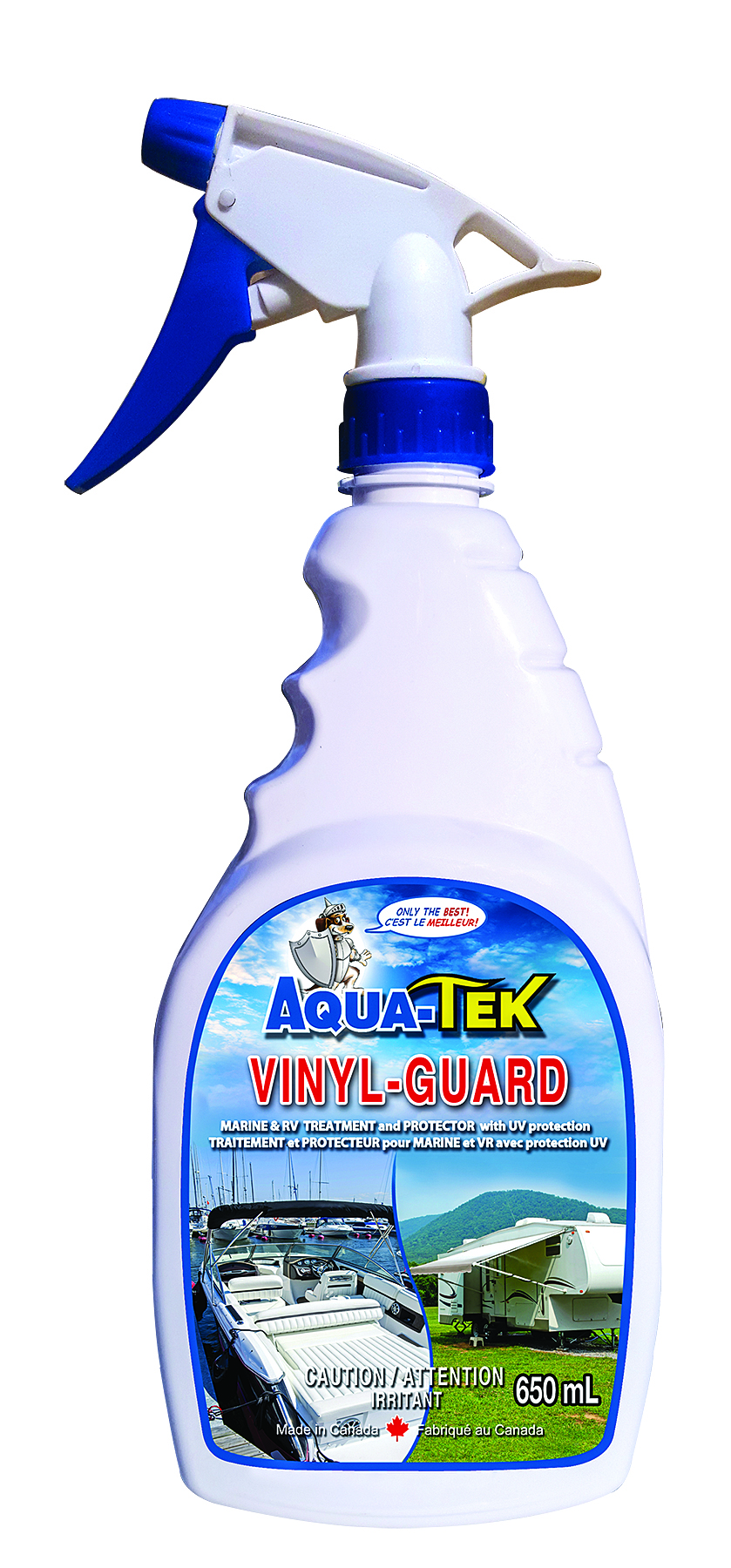
Even plastic and vinyl need protection from the elements, especially from the sun. Ultraviolet rays alter plastics on a molecular level, causing them to harden and crack, and through a process called photo-oxidation, cause colours to fade. Applying a product like Aqua-Tek Vinyl Guard, a marine product that’s made in Canada, offers UV protection for plastic, rubber, leather and vinyl. But it has to be applied regularly, otherwise it will just delay the inevitable.
Similarly, everything mentioned so far applies when storing a bike for the winter. Whether the bike will sleep in a garage, in a shed or outside, wash it thoroughly before storing it, apply plastic protectant to all non-metal surfaces, and take the following measures to prevent corrosion from forming, both inside and outside the machine.
Another Canadian-made product that is almost indispensable (Canadians know about corrosion protection) is ACF-50, an aviation-grade anti-corrosion product that has been proven through decades of use on aircraft, motorcycles and industrial machinery, and provides up to one year of corrosion protection. If your bike is stored in a heated space, the cylinders won’t need attention unless it will remain there for more than a year. If it’s outdoors, coat the inside of the cylinders with either oil or ACF-50 to prevent internal corrosion. After preparing your bike for storage, spray ACF-50 all over the bike, avoiding tires, brakes and touchscreens, and park it. Apply it liberally if you have no choice but to leave your bike outside, under a cover.
A thorough wash in the spring and you’ll be ready to ride.





Thanks for Reading
If you don’t already subscribe to Motorcycle Mojo we ask that you seriously think about it. We are Canada’s last mainstream motorcycle magazine that continuously provides a print and digital issue on a regular basis.
We offer exclusive content created by riders, for riders.
Our editorial staff consists of experienced industry veterans that produce trusted and respected coverage for readers from every walk of life.
Motorcycle Mojo Magazine is an award winning publication that provides premium content guaranteed to be of interest to every motorcycle enthusiast. Whether you prefer cruisers or adventure-touring, vintage or the latest models; riding round the world or just to work, Motorcycle Mojo covers every aspect of the motorcycle experience. Each issue of Motorcycle Mojo contains tests of new models, feature travel stories, compelling human interest articles, technical exposés, product reviews, as well as unique perspectives by regular columnists on safety or just everyday situations that may be stressful at the time but turn into fabulous campfire stories.
Thanks for considering a subscription. The Mojo team truly appreciates it.
