

Small on Displacement, Big on Retro


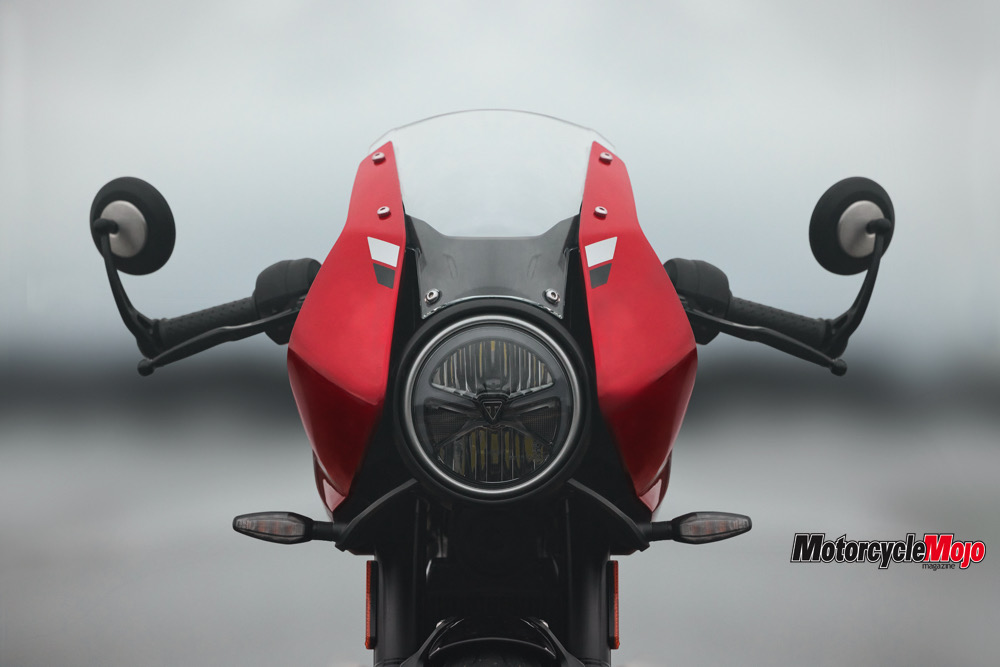
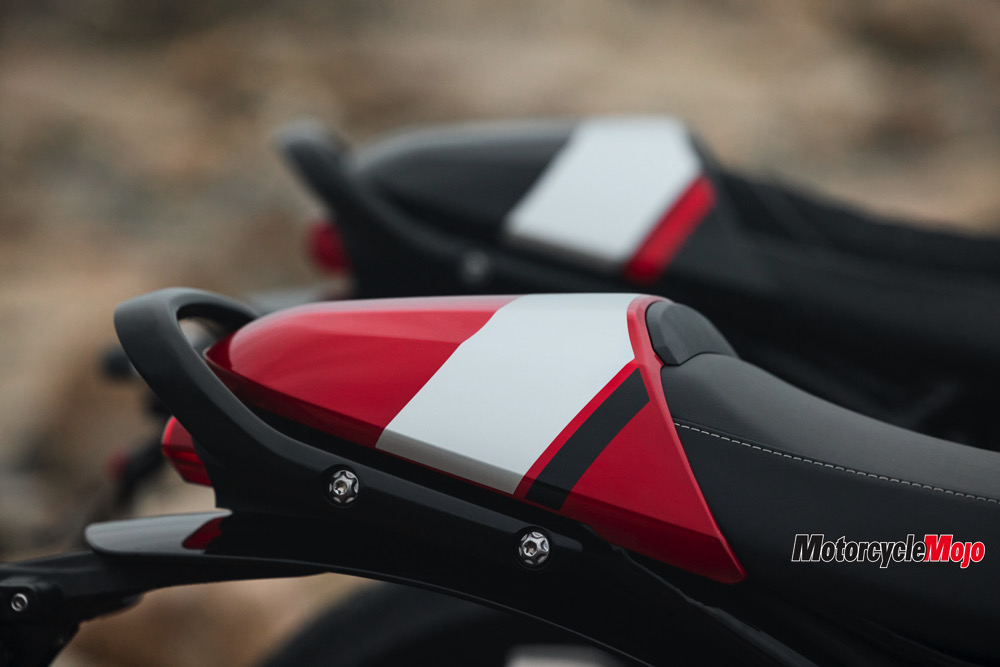
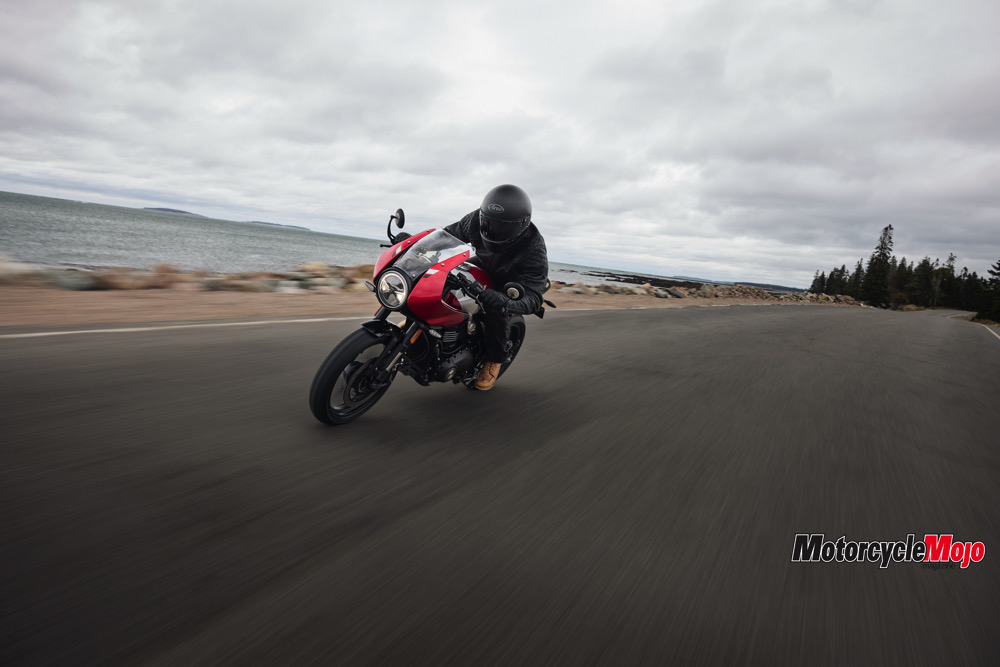
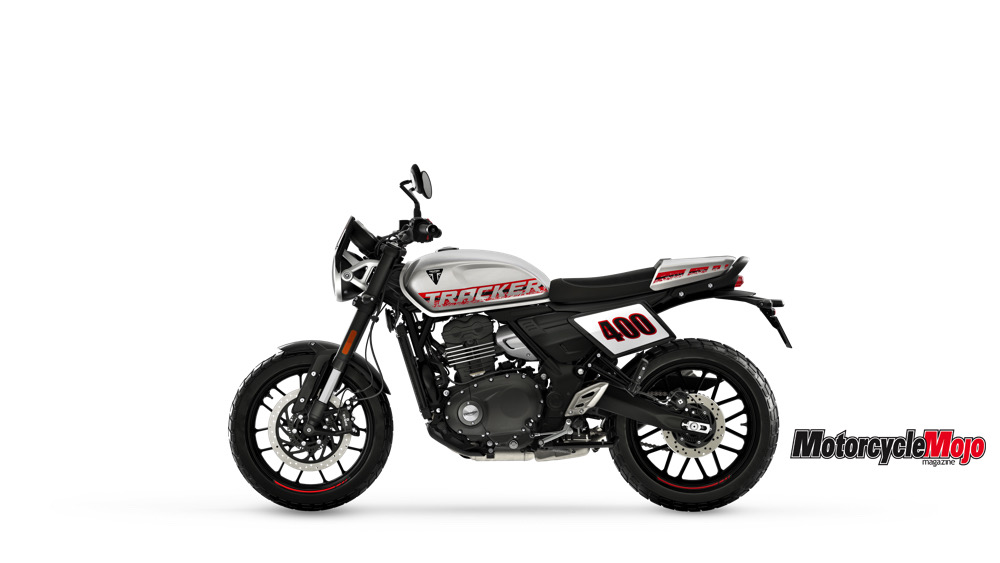
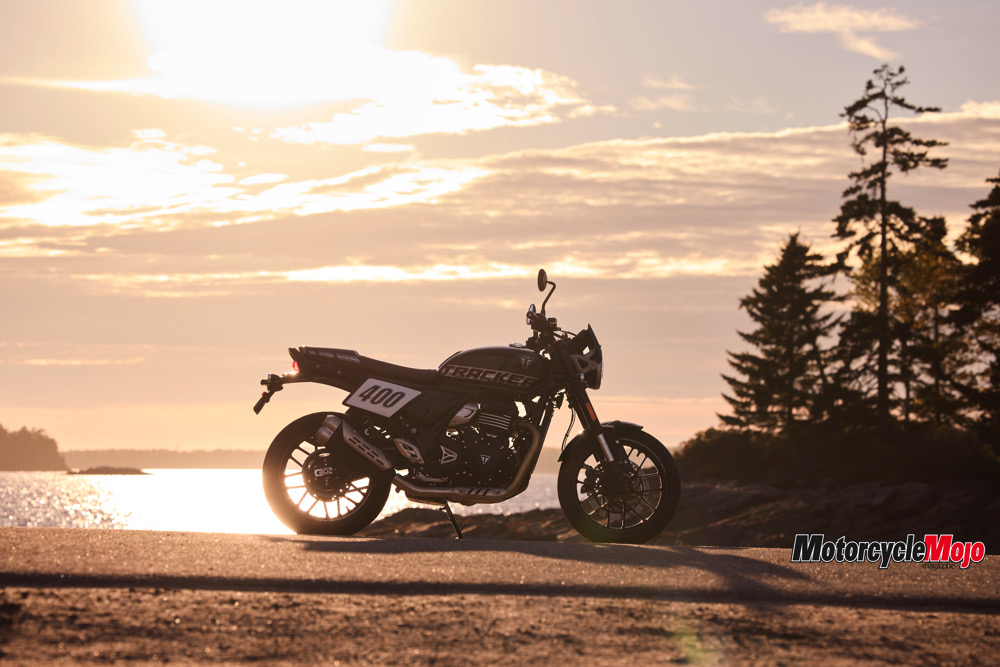
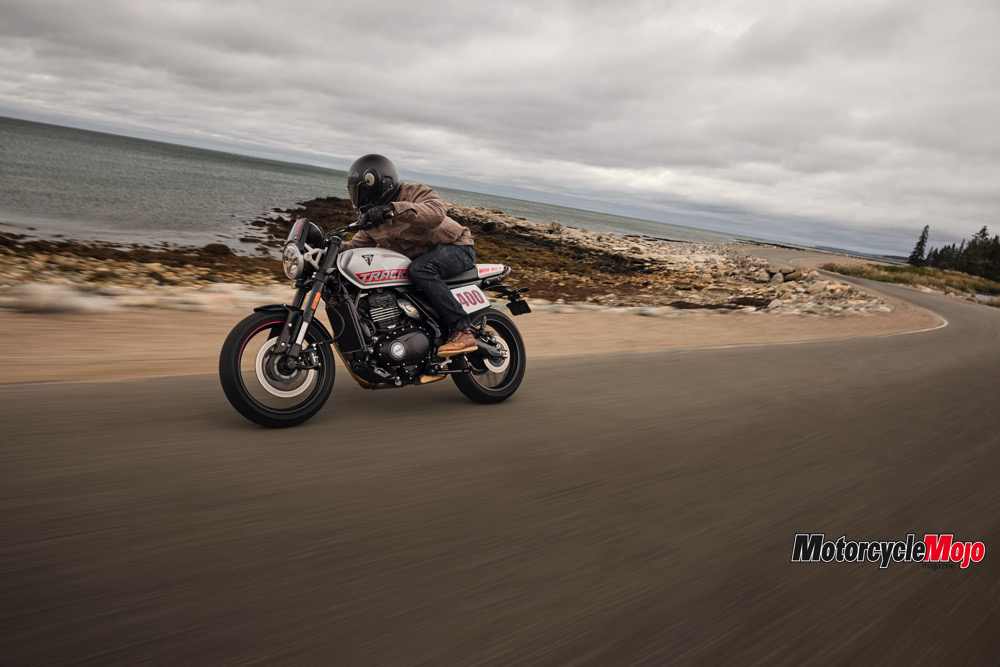
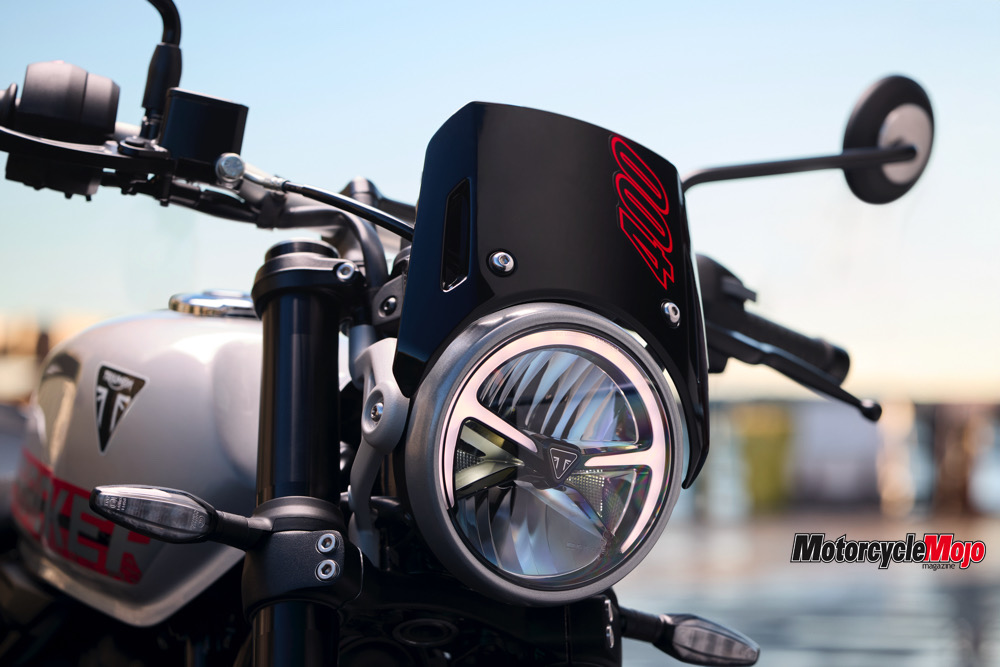
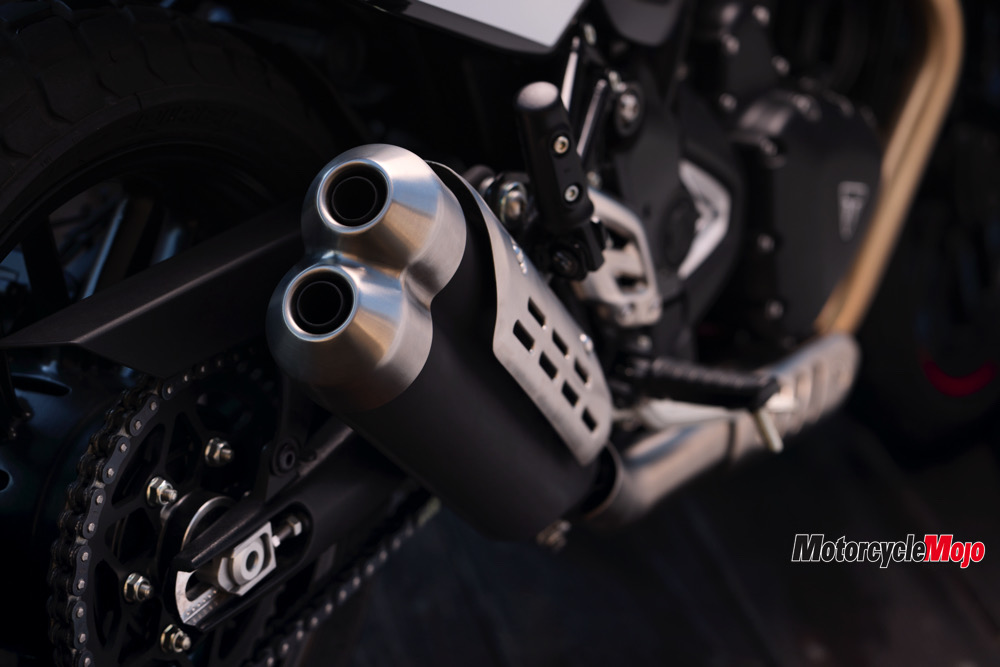
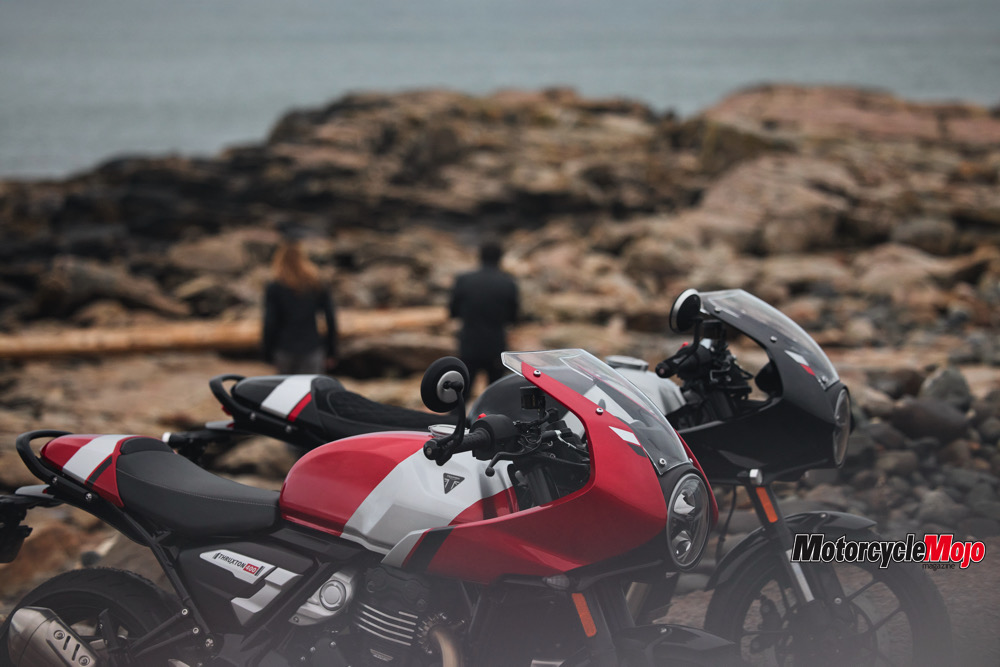
Triumph has its roots steeped in race history; these two new models pay respect to the machines that preceded them.
The new movement of motorcycle brands taking initiatives to reintroduce smaller displacement motorcycles into North America has been unexpectedly welcomed by riders. Of course, our North American riding culture is based around the “bigger is better” mentality. Over the years, fewer beginner-friendly bikes were offered on a continent that has short riding seasons and a driving culture that breeds complacency; the result has been an overall intimidating and risk-filled environment for new riders looking to get on the street.
In 2024, we saw the introduction of Triumph’s Street and Scrambler 400, two models true to Triumph styling but in a capable and inexpensive format to entice newer riders. The success of the 400 series was somewhat unprecedented, with the 400s now making up almost a third of the company’s overall motorcycle sales.
With that, Triumph has now released the Tracker 400 and Thruxton 400. These two updated models help to round out the 400 series, offering a model for almost every type of rider. The Thruxton and Tracker both harken to Triumph’s race history and embody a classic facet of motorcycling.
THE SAME BUT DIFFERENT
Both bikes share the same core, but with completely different styling and purpose, creating a perfect sibling symbiosis. Featuring the new TR-series engine producing 41.4 hp at 9,000 rpm, this engine is only seen in the new Tracker and Thruxton, not the already established Street and Scrambler 400. The 398 cc engine now produces an additional five per cent increase in peak power. The TR-Series engine produces 27.7 lb.-ft. of peak torque, which is quite noticeable throughout the rpm range, with 80 per cent of torque available from 3,000 rpm.
On start-up, the new TR-Series engine doesn’t have the throaty bark we are used to hearing with the brand, but it exudes a loud purr that gives the same emotion to the rider. Throughout the day, it was easy to forget that I was on a 400, mainly because of the power offered throughout the rpm range. The TR-series single-cylinder engine picks up speed quickly and offers great power throughout its rev range, with power being most predominant between 7,000 and 9,000 rpm.
The engine buzzes at higher rpm, most noticeable when looking at a blurred image in the mirror; although this is something to be expected with smaller displacement, single-cylinder bikes, and it does encourage the rider to shift into a higher gear to calm the vibration. Both models are equipped with Triumph’s torque-assist clutch, ABS and switchable traction control.
RIDING POSITIONS
The first thing I noticed while comparing the two throughout the day was just how different the two models felt from one another. The Thruxton’s 795 mm seat height and low-slung clip-on handlebars put the rider in a leaned-over riding position, making you feel like part of the bike while weaving through corners. It offers a more aggressive feel than the Tracker and requires slightly more rider input to initiate your lean. It offers a new type of assurance, being in a sportier positioning, while having confidence in the machine to handle corners at speed. However, the positioning doesn’t allow for an overly comfortable wrist position, and on a long day I would expect your shoulders and wrists to become fatigued…





Thanks for Reading
If you don’t already subscribe to Motorcycle Mojo we ask that you seriously think about it. We are Canada’s last mainstream motorcycle magazine that continuously provides a print and digital issue on a regular basis.
We offer exclusive content created by riders, for riders.
Our editorial staff consists of experienced industry veterans that produce trusted and respected coverage for readers from every walk of life.
Motorcycle Mojo Magazine is an award winning publication that provides premium content guaranteed to be of interest to every motorcycle enthusiast. Whether you prefer cruisers or adventure-touring, vintage or the latest models; riding round the world or just to work, Motorcycle Mojo covers every aspect of the motorcycle experience. Each issue of Motorcycle Mojo contains tests of new models, feature travel stories, compelling human interest articles, technical exposés, product reviews, as well as unique perspectives by regular columnists on safety or just everyday situations that may be stressful at the time but turn into fabulous campfire stories.
Thanks for considering a subscription. The Mojo team truly appreciates it.
