

Faster Than Time

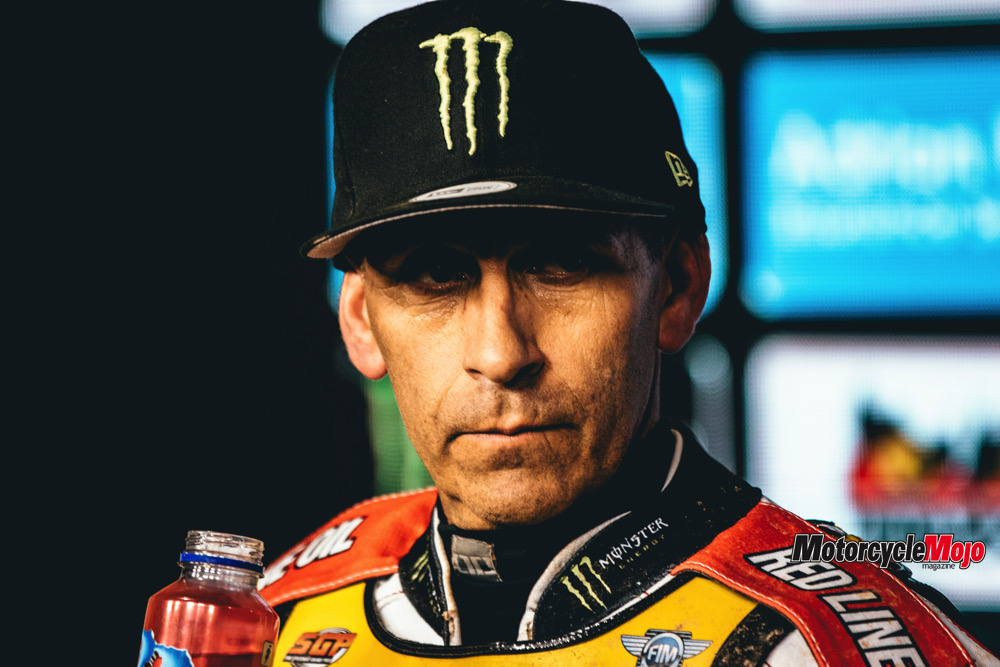

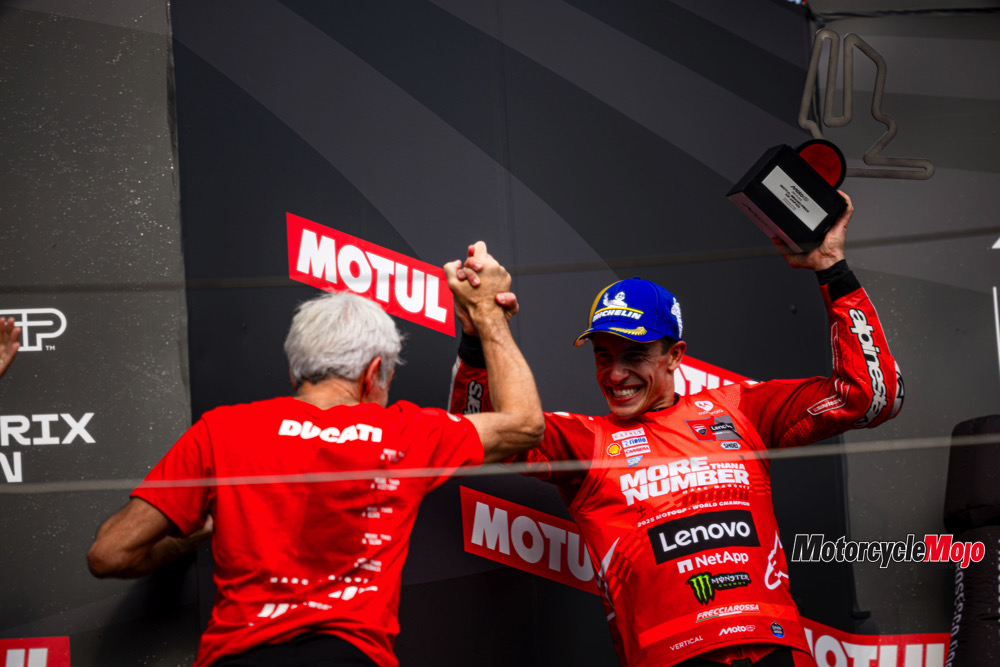

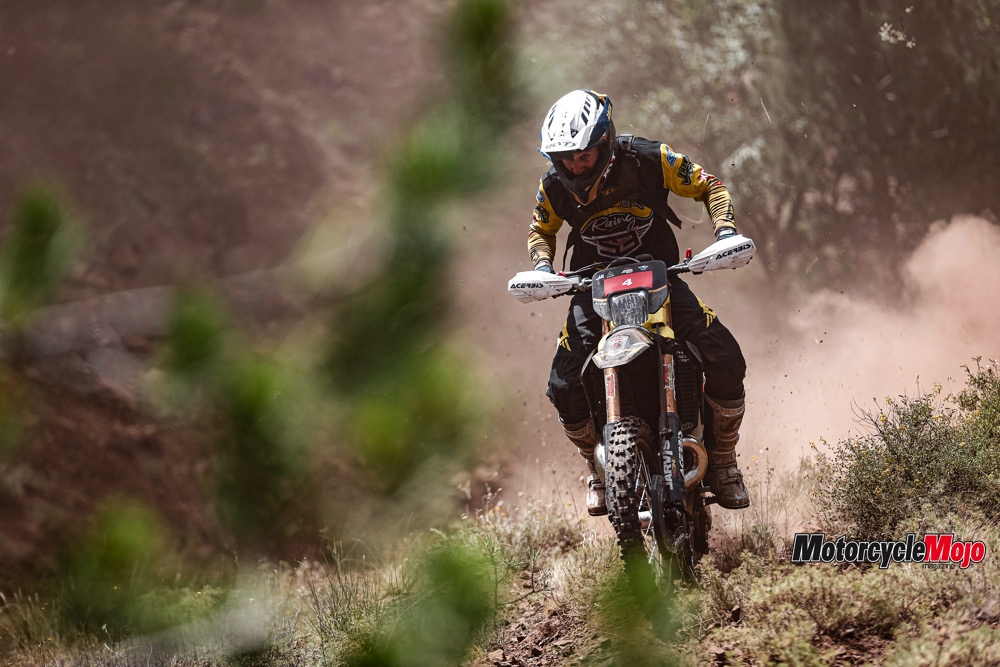

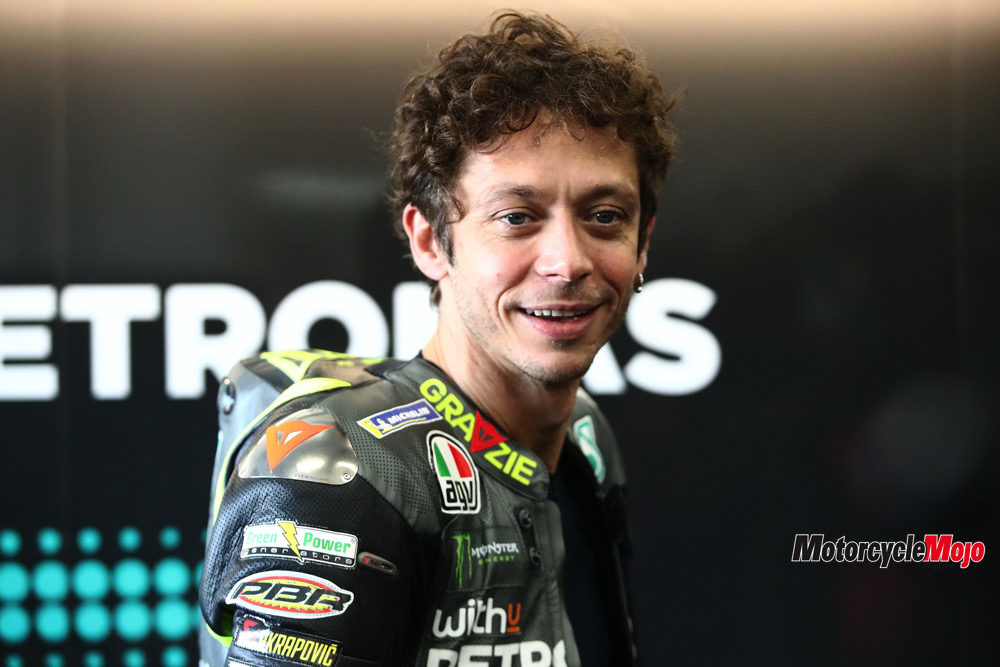
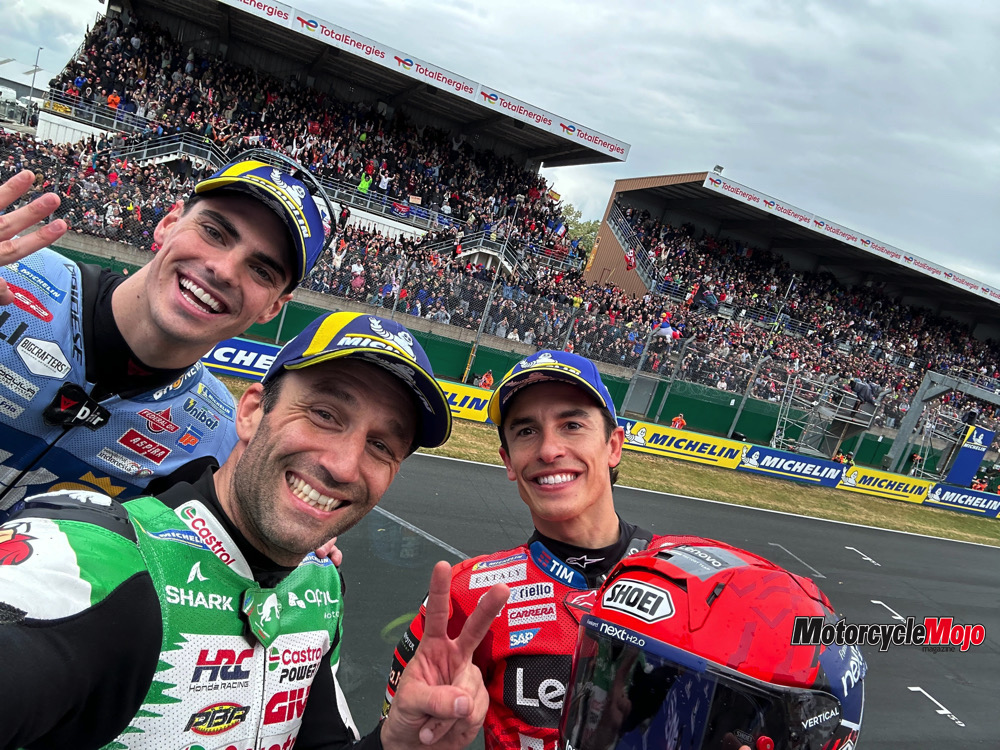
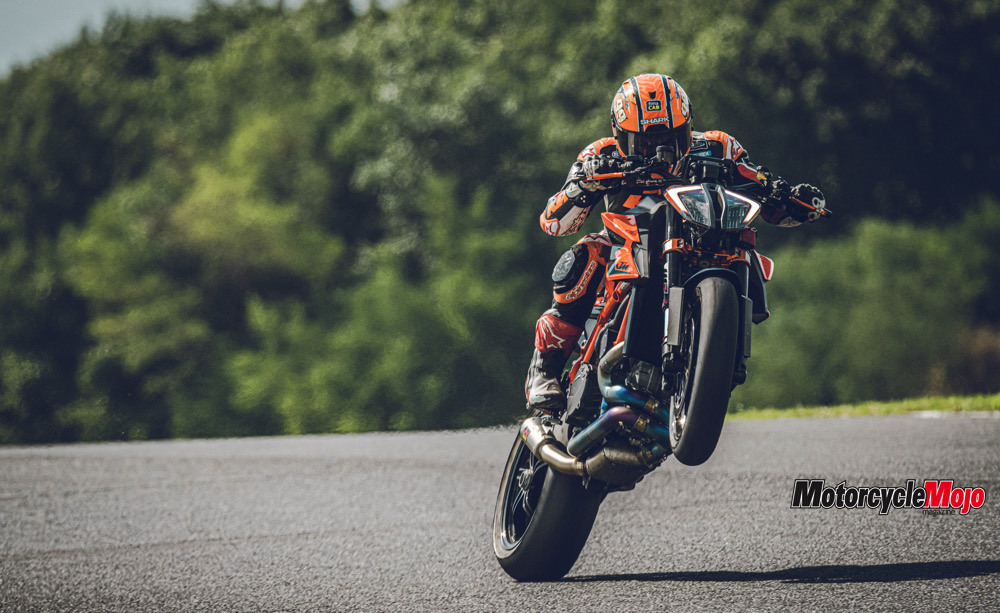
As Marc Marquez launches a 2026 MotoGP campaign with a 10th world title in his sights as the grid’s second-oldest rider, we celebrate some of motorcycling’s most evergreen racers.
At 35, Johann Zarco isn’t old. But in MotoGP terms, he’s the veteran. And in May last year, in front of an ecstatic Le Mans crowd, the Frenchman finally won his home Grand Prix — on his 120th attempt in the premier class. The oldest rider on the grid claimed the MotoGP race victory.
Just two years his junior, Marc Marquez was 33 when the lights went out on the opening round of the 2026 MotoGP World Championship in Thailand this past March. While that number might raise very few eyebrows outside the paddock, it stands out in a sport where reaction times and risk thresholds often peak before your 30th birthday. It’s both Zarco’s and Marquez’s 18th year in the paddock – and the latter remains once again the bookies’ favourite for this year’s crown.
Their longevity, and Marquez’ in particular, becomes even more remarkable when you realize that
Valentino Rossi’s final world title came in his 14th season, and he finished sixth overall in his 17th. When you think about it, slowing down or stopping is the antithesis of motorcycle racing. For riders who’ve built an entire life around it — a career, an identity — if they’re still enjoying it and they’re still fast, why wouldn’t they keep going?
The adaptation required to do so is commendable. There are emerging technologies, evolving rule books, increasing performance and a never-ending supply of younger, hungrier riders looking to carve a career and an identity of their own by beating the best.
A DIFFERENT TIME
Evergreen riders have been around since, well, a 38-year-old Les Graham won the inaugural 500 cc world championship way back in 1949. But the world was a different place then: riders had to earn the money they needed to go racing in order to earn the results that would get them noticed. And all in a world that was much larger than our internet-enabled one is now.
Earning that sort of money took time — much more time than the energy drink-funded road-to-MotoGP approach we have today. And while starting so young can often lead to premature burnout — Australia’s double world champ Casey Stoner called it quits at 27 — for a touched few, it means careers can now span decades.
For these riders, some who have more money than they’ll probably ever need and have had more accolades than most of us could ever dream of, the determination and desire to stand on that top step and loft race- and title-winning trophies is still as strong as ever. For others, it’s simply a powerful combination of passion, identity, and the unique thrill only racing can provide.
LES HARRIS, AGE 101
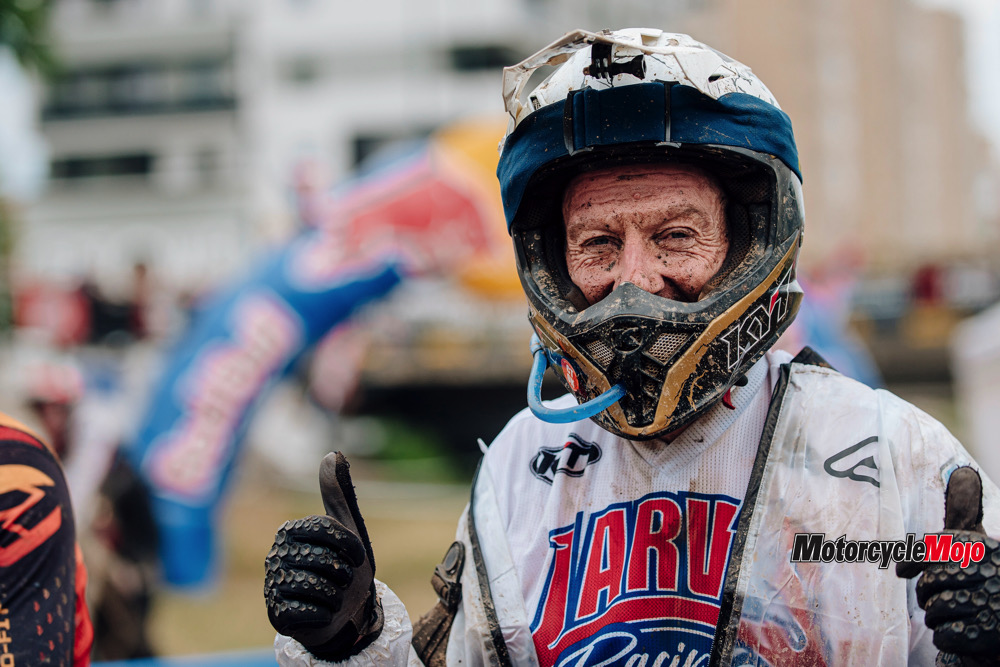
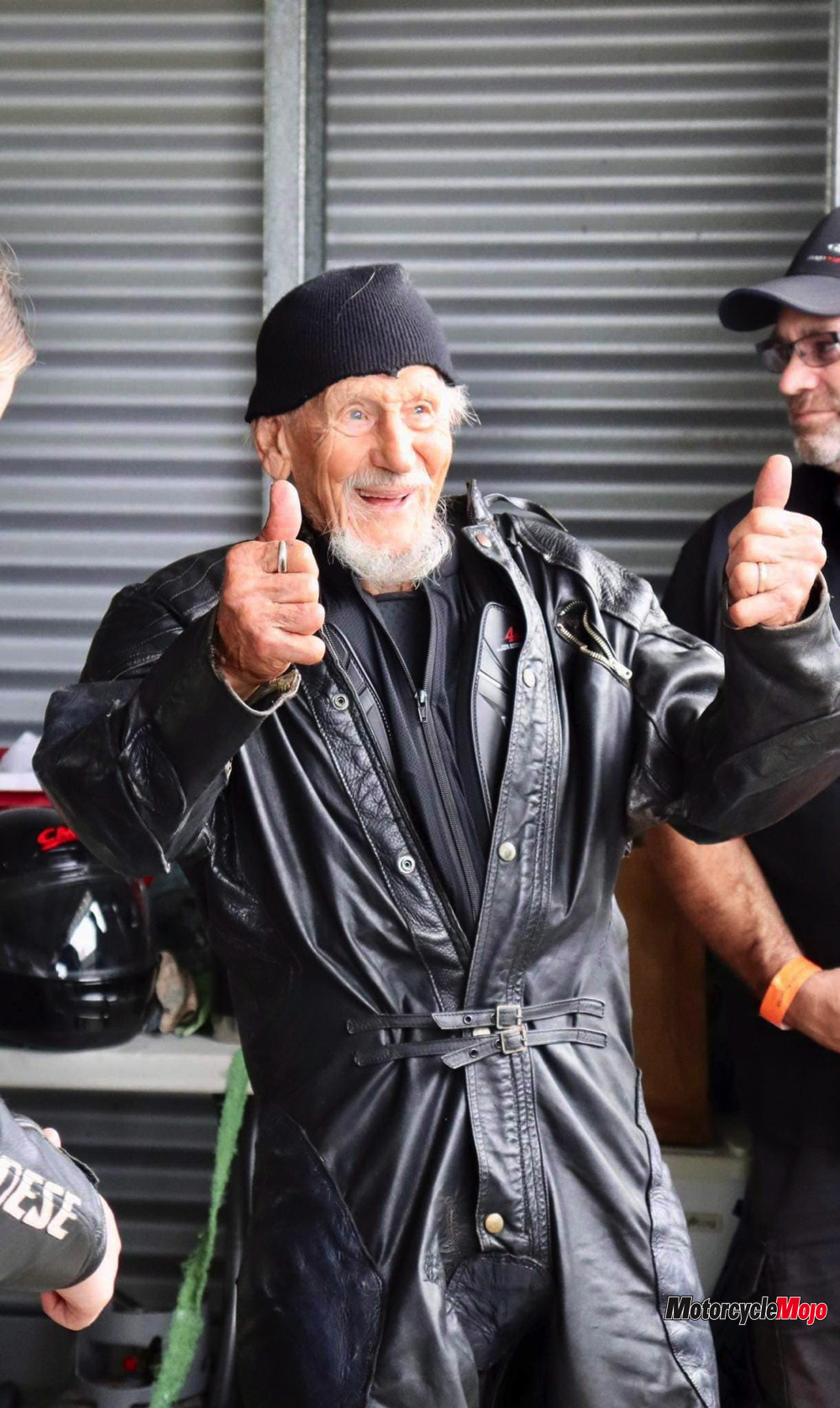
In early 2023, New Zealand’s Leslie Harris earned Guinness World Record recognition as the world’s oldest competitive motorcycle racer when he participated in the Pukekohe 43rd Classic Motorcycle Festival in Auckland, just three weeks shy of his 98th birthday. In 2024, he participated in the 44th Classic Festival in February at the Manfeild Circuit Chris Amon before sourcing a retired ambulance to convert into a new race van. Not known for his well-organized shed, a trip and a medical episode meant he was forced to have more down time than he wanted, but was back spectating at the Parakao Dirt Drags event just three weeks after surgery.
Les rode again at the 46th Classic Festival again in March 2025, just after he turned 100 on February 26 of that year. Unstoppable and determined, one of his favourite quotes is, “Had a nap, ready for a blat”.
ALEX BARROS, AGE 55
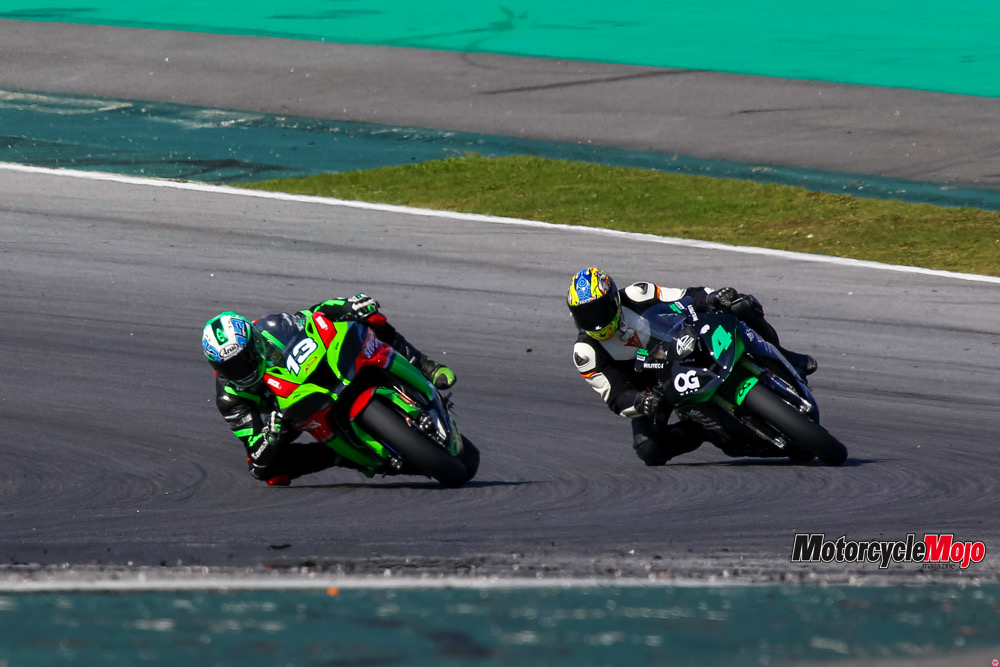
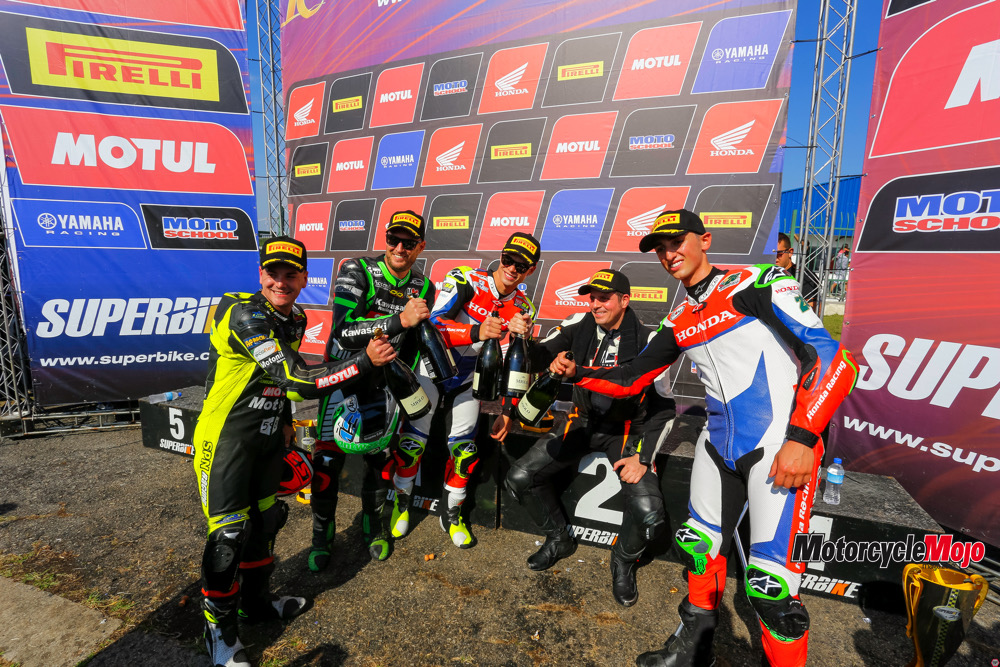
At 55 years old, Alex Barros is one of the most experienced figures in Brazilian motorcycle racing, with a career spanning more than four decades. Making his Grand Prix debut in the 80 cc class at just 15, Barros quickly moved through the ranks, becoming Brazil’s most successful MotoGP rider. He competed in the premier class for nearly two decades, racing in the 500 cc and MotoGP eras, securing seven Grand Prix victories and multiple podiums against some of the sport’s biggest names.
After stepping away from the world stage, Barros turned his focus to national and regional championships, competing in and later managing teams in the Brazilian Superbike Championship. His influence in developing young Brazilian riders has been just as impactful as his own results on the track.
Despite his years, Barros remains deeply connected to racing, still taking to the track competitively on occasion and staying involved in the sport through coaching and mentoring. His experience, skill and relentless passion continue to define him as one of Brazil’s greatest two-wheeled exports…





Thanks for Reading
If you don’t already subscribe to Motorcycle Mojo we ask that you seriously think about it. We are Canada’s last mainstream motorcycle magazine that continuously provides a print and digital issue on a regular basis.
We offer exclusive content created by riders, for riders.
Our editorial staff consists of experienced industry veterans that produce trusted and respected coverage for readers from every walk of life.
Motorcycle Mojo Magazine is an award winning publication that provides premium content guaranteed to be of interest to every motorcycle enthusiast. Whether you prefer cruisers or adventure-touring, vintage or the latest models; riding round the world or just to work, Motorcycle Mojo covers every aspect of the motorcycle experience. Each issue of Motorcycle Mojo contains tests of new models, feature travel stories, compelling human interest articles, technical exposés, product reviews, as well as unique perspectives by regular columnists on safety or just everyday situations that may be stressful at the time but turn into fabulous campfire stories.
Thanks for considering a subscription. The Mojo team truly appreciates it.
