

Ancient and Modern

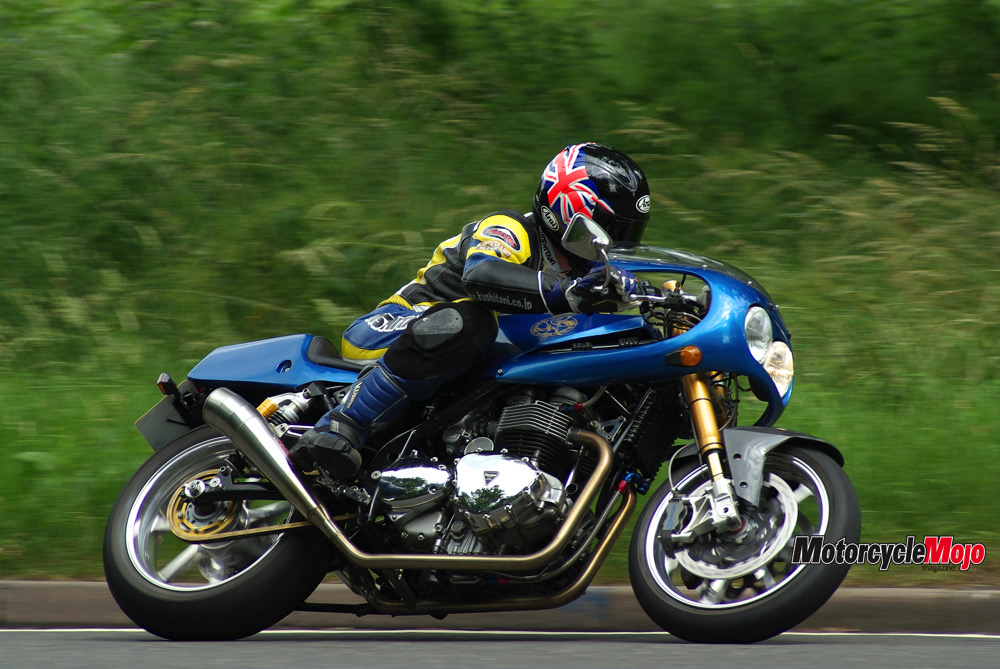
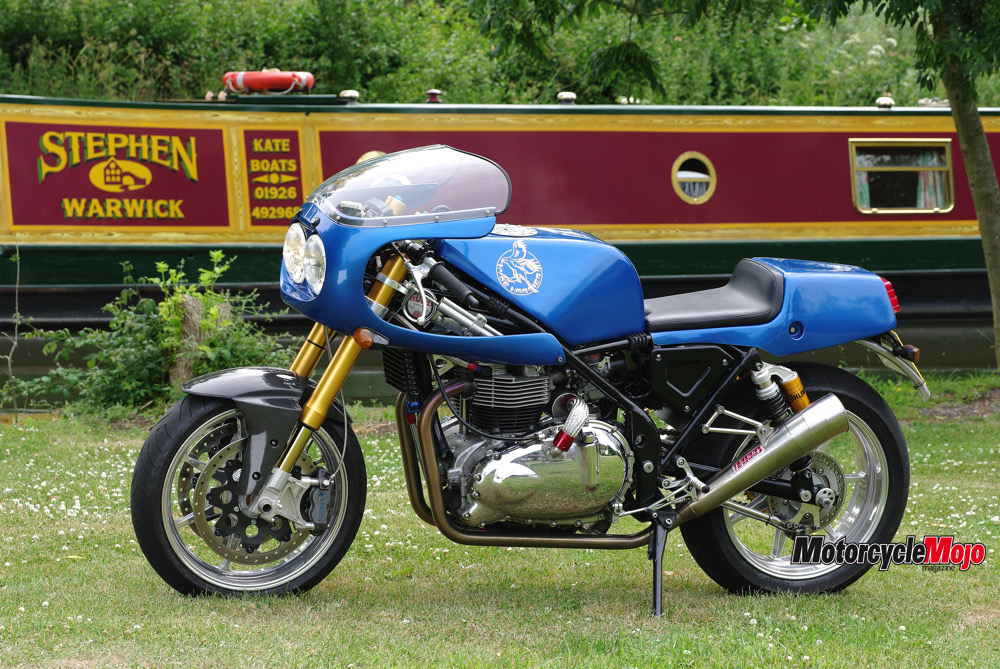
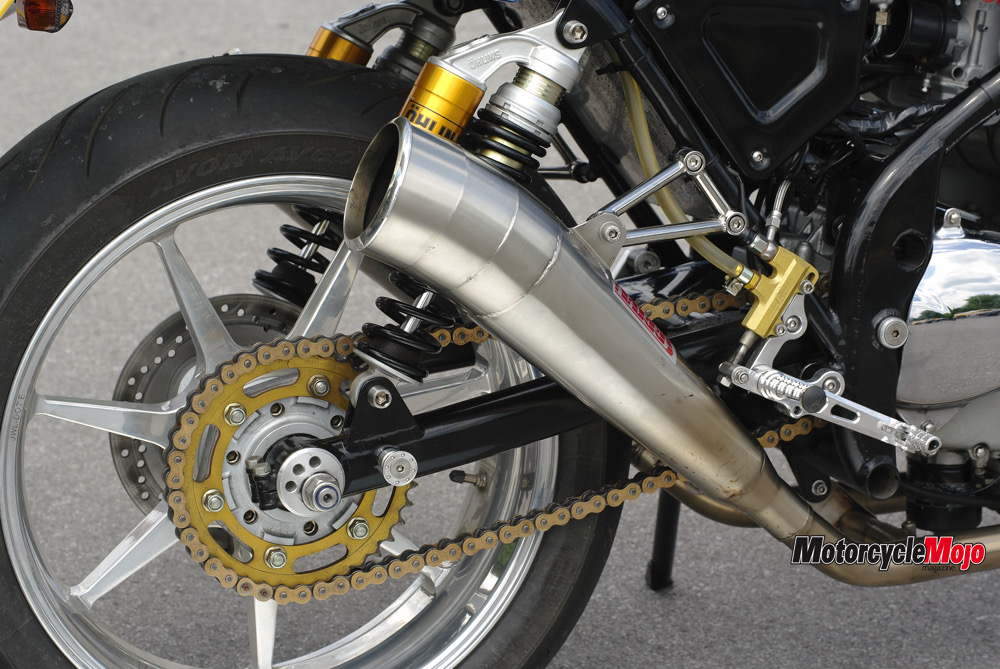
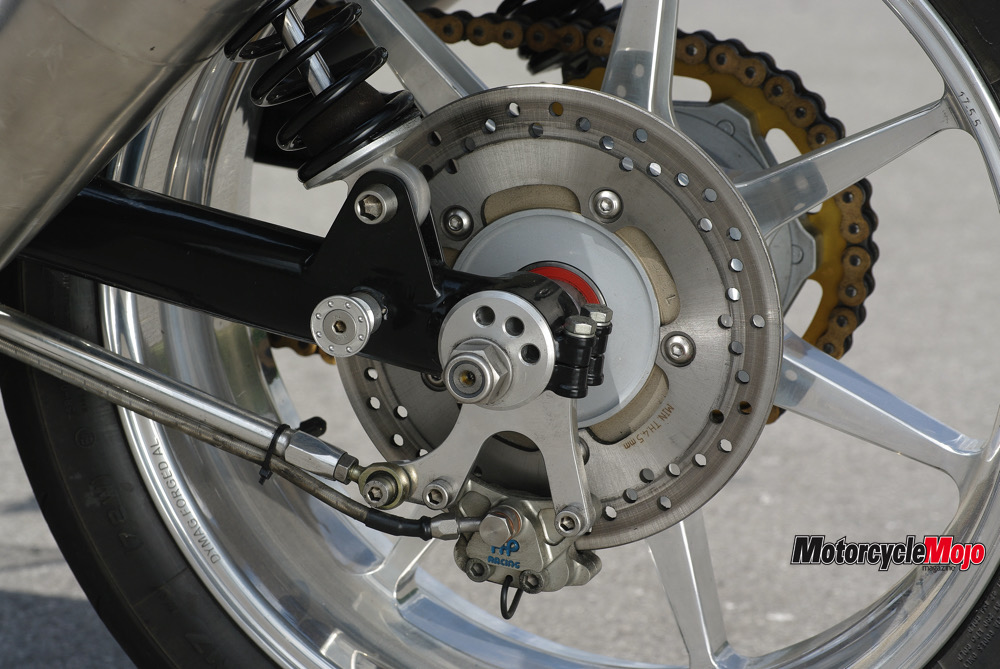
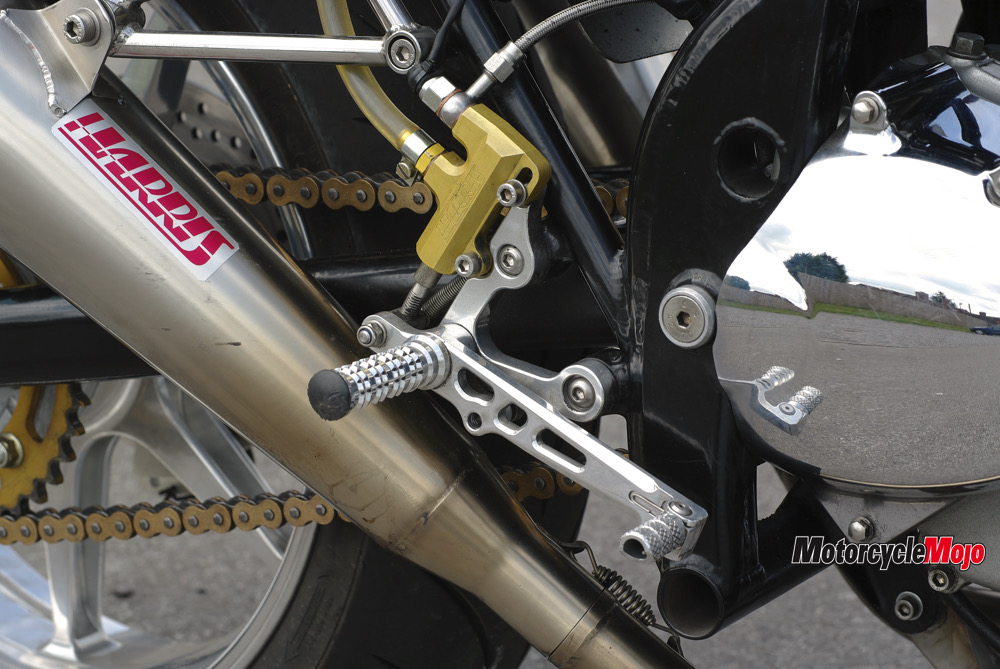
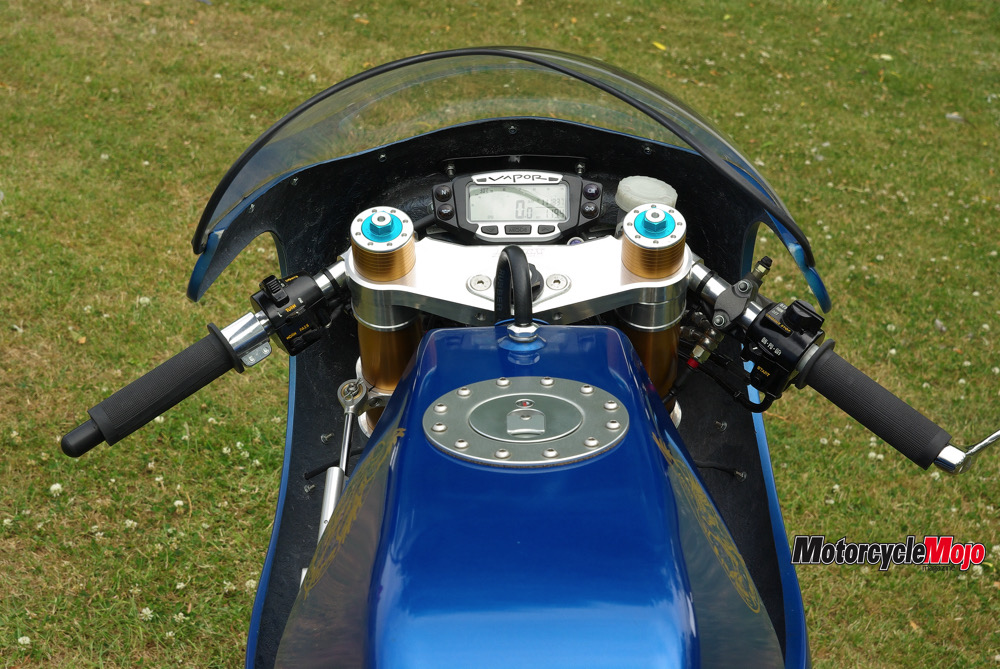
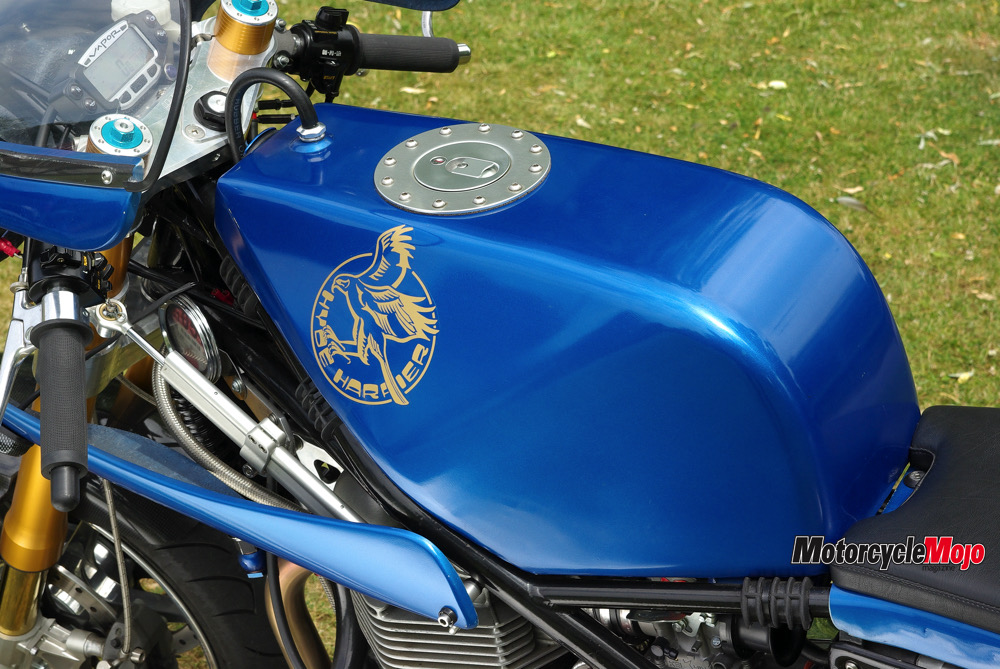
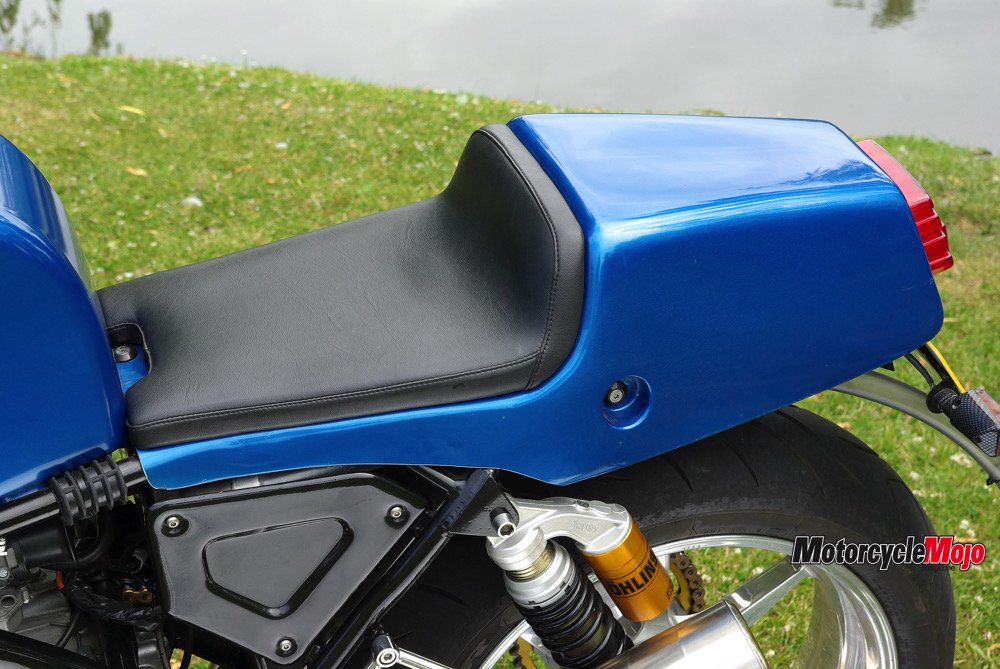
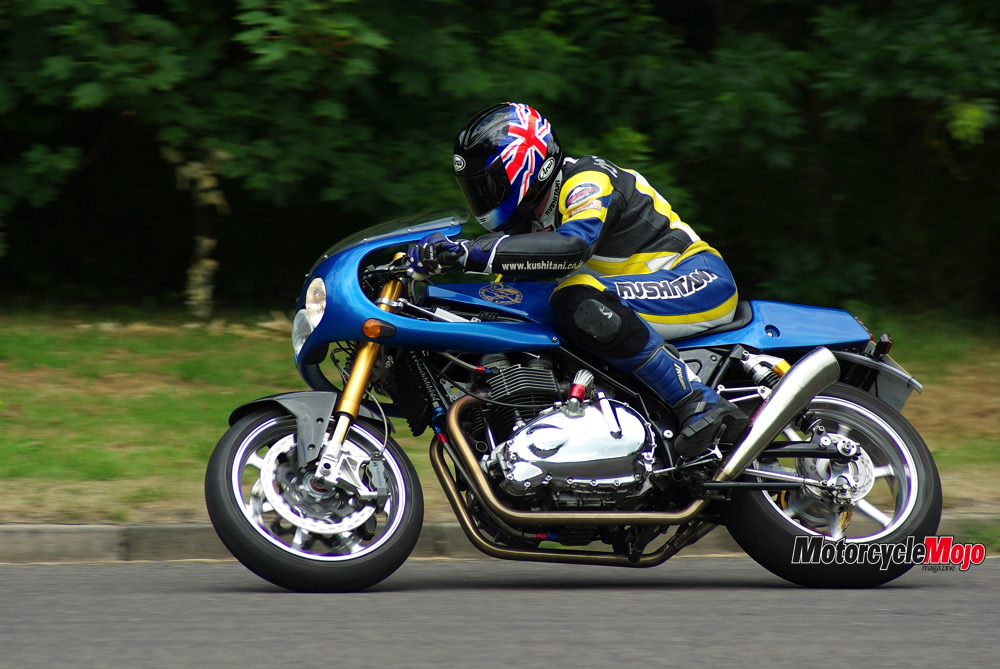
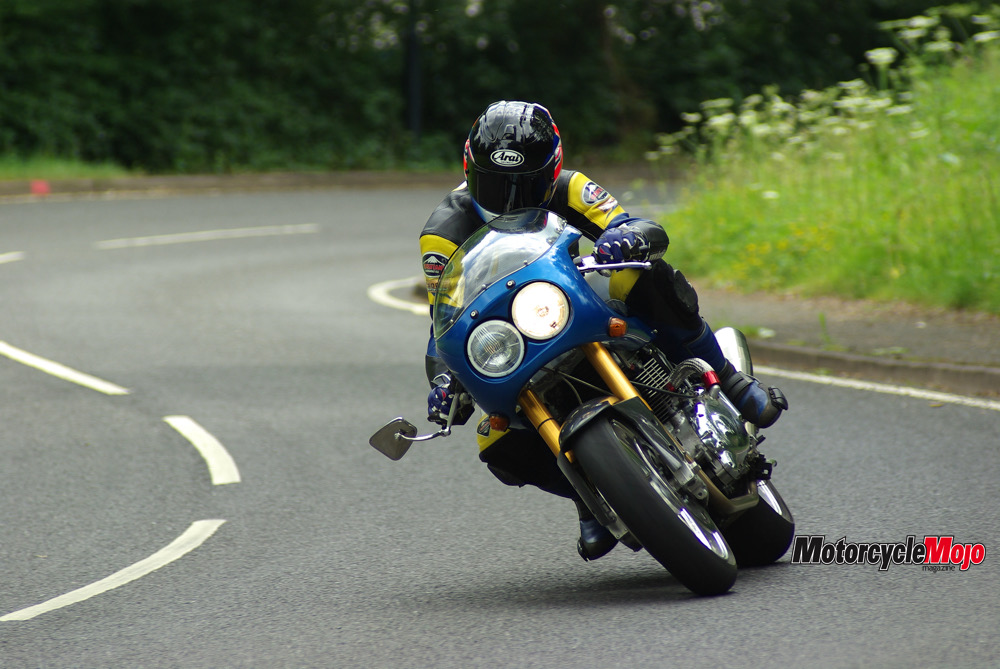

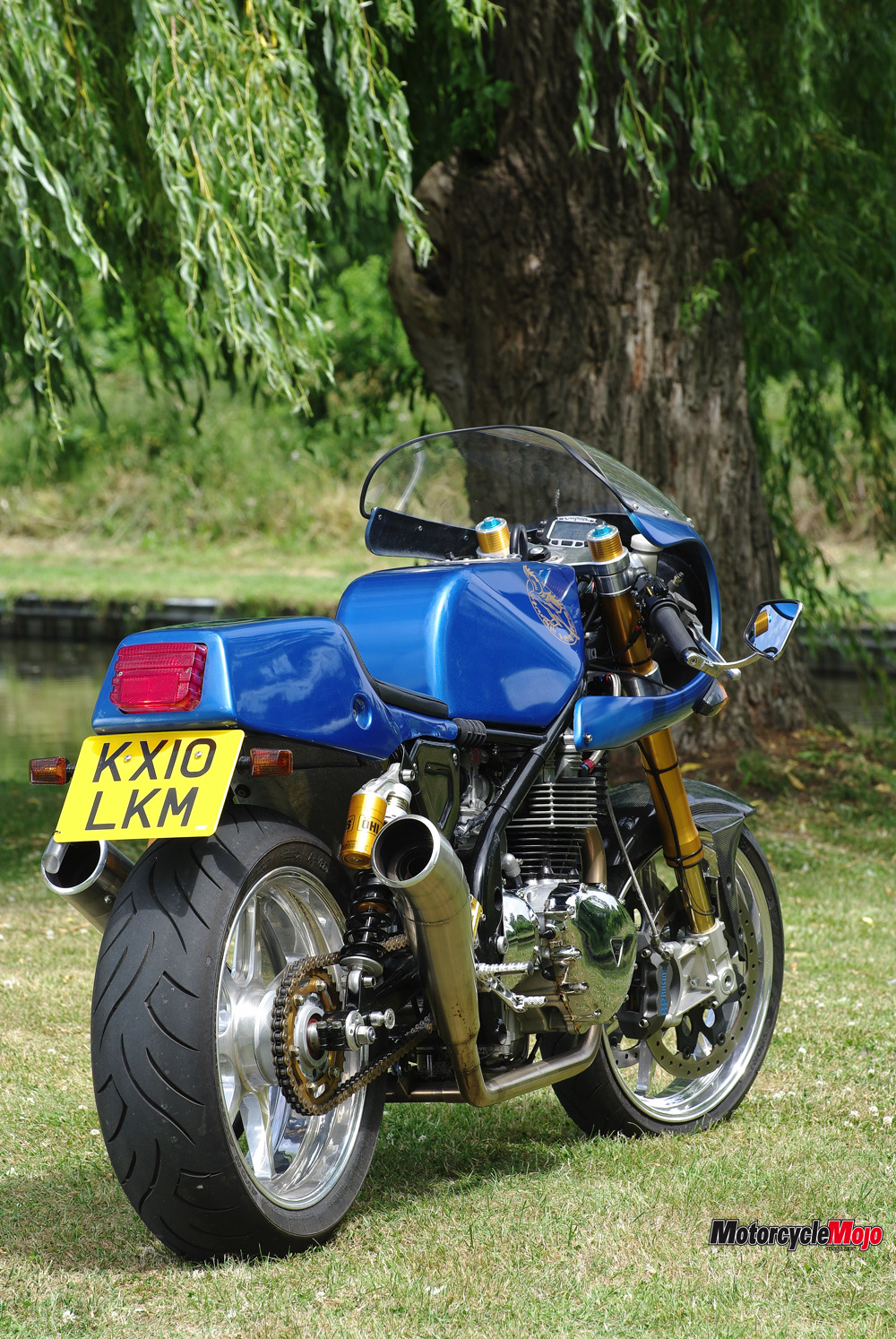
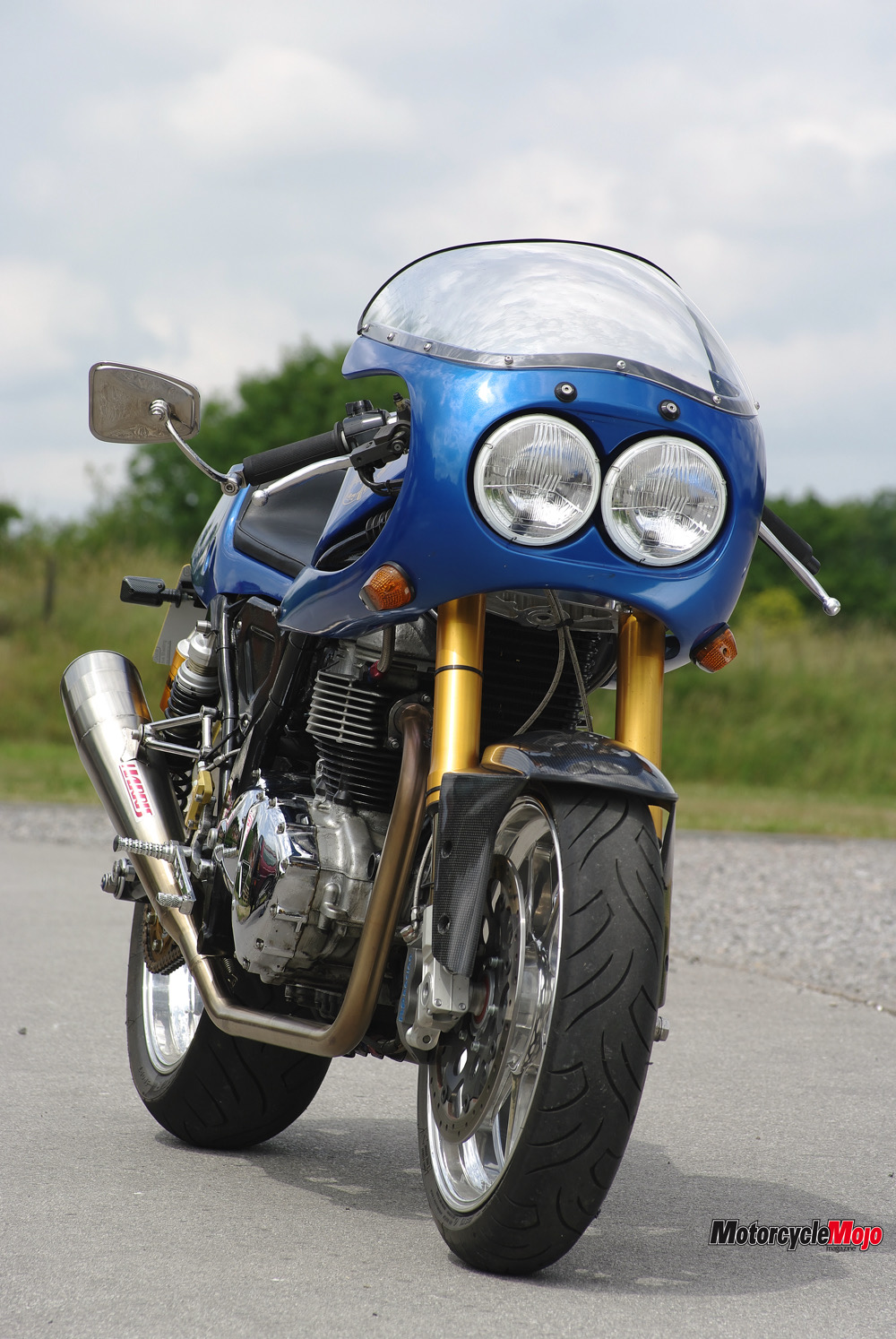
Creating a modern high-powered machine with the styling of a British classic.
The Triumph Bonneville became a byword for performance upon entering production back in 1959, representing the epitome of British twin-cylinder engineering — fast, rakish-looking, sweet-handling and stylish, it was in every way the Honda Fireblade of its era. The Bonneville was named to commemorate the achievement from 70 years ago in Sept. 1956 of a bunch of Texans led by the great Jack Wilson in propelling Johnny Allen to a new outright World Land Speed Record for motorcycles of 214.40 mph (345 km/h) on the Bonneville Salt Flats. That streamlined bike was called the “Texas Cee-Gar” and was powered by a Wilson-tuned normally aspirated 650 cc engine. The spinoff Triumph streetbike set standards for others to aim at for the next 25 years.
But in reviving the Bonneville name in 2000, John Bloor’s development team failed to produce the born-again twin-cylinder sports model so many riders of all generations were hoping for.
So, instead, Britain’s leading Triumph aftermarket specialist Norman Hyde went and did it for them — just as he’d already done twice previously, first by satisfying born-again Brylcreemers by developing the performance parts needed to transform the stock Triumph Thruxton 900 into the Hyde Bonneville TX ’60s-style café racer, complete with added go to match the period show. Next came the Hyde Bonneville SS street scrambler, a more authentic take on ‘The Way It Was’ back in the Swinging ’60s than Triumph’s own urban commuter Scrambler model, evoking the California cool of the classic-era TR6C street enduro, but once again with the needed performance to live up to the looks.
HYDE HARRIER INTRODUCTION
In 2008, Hyde teamed up with Harris Performance, Britain’s leading practitioners of the black art of frame design, to create the new-generation Hyde Harrier as the third in his trio of Hinckley Bonneville-based bikes. He’d done the same thing 23 years earlier, long before John Bloor relaunched the Triumph brand in 1990, by commissioning a Harrier chassis kit from Lester and Steve Harris for the Classic OHV pushrod Triumph twins and triples. But this time around it came with an all-new Harris chassis to house the revised Bonneville engine, rather than adapting a stock motorcycle as with the TX/SS duo.
After launching the Harrier at the 2008 NEC Show in Birmingham, the result was available from Hyde’s Warwick base, just a long stone’s throw from Triumph’s historic Meriden factory where he formerly worked.
The bike-building gospel according to Hyde entailed a successful blend of the old and new testaments of Triumph R&D, resulting in the traditional twin-cylinder British café racer concept being expressed in a modern manner.





Thanks for Reading
If you don’t already subscribe to Motorcycle Mojo we ask that you seriously think about it. We are Canada’s last mainstream motorcycle magazine that continuously provides a print and digital issue on a regular basis.
We offer exclusive content created by riders, for riders.
Our editorial staff consists of experienced industry veterans that produce trusted and respected coverage for readers from every walk of life.
Motorcycle Mojo Magazine is an award winning publication that provides premium content guaranteed to be of interest to every motorcycle enthusiast. Whether you prefer cruisers or adventure-touring, vintage or the latest models; riding round the world or just to work, Motorcycle Mojo covers every aspect of the motorcycle experience. Each issue of Motorcycle Mojo contains tests of new models, feature travel stories, compelling human interest articles, technical exposés, product reviews, as well as unique perspectives by regular columnists on safety or just everyday situations that may be stressful at the time but turn into fabulous campfire stories.
Thanks for considering a subscription. The Mojo team truly appreciates it.
