
All in the Family
Wayne Rudd not only has an eye for the classics, but is also doing his part to preserve an 86-year-old heirloom
When Uncle Edwin Mathison’s 1932 BSA L32-2 was pulled from the barn near Round Hill, Alta., back in 1966, it was a dusty and dirty old motorcycle.
That didn’t really matter to his young nephew, Wayne Rudd.
Throughout his years growing up on the family farm near Camrose, Alta., Rudd dreamed about riding a motorcycle, but never got one until he’d graduated high school. That’s when his dad learned Uncle Edwin was selling the BSA.
“I didn’t know what size bike I wanted or anything like that,” Rudd says, “but we went out to look at the BSA in the barn. My uncle wanted $50 for it, but my dad instead negotiated a trade using one of his 1950 Dodge half-ton trucks for my uncle’s 1946 Monarch and the BSA.”
While some teenagers at that time might have been more interested in the latest motorcycles from Japan, not Rudd.
Not Deterred by Age
 “I recognized the BSA was a classic, and its age didn’t put me off at all. In fact, I really liked the look of it,” Rudd says.
Bolted to the licence plate bracket on the rear fender of the BSA was a 1944 Alberta tag. Although the bike was obviously neglected and likely hadn’t been used for 20 years or more, Rudd was drawn to the charms of the classic British motorcycle and set about preparing to make it run.
His dad helped pull the spark plug so the Lucas magneto on the 349 cc single-cylinder side-valve engine could be checked for life – it gave a fat, blue spark across the plug gap. Encouraged, they changed the oil and poured fresh gasoline into the tank.
First Ride
“The kick start didn’t work, but I pushed it in gear about 20 feet and dropped the clutch and got on the saddle,” Rudd recalls. “It started, and away we went around the farmyard.”
For Rudd, the BSA is a piece of family history. Uncle Edwin originally purchased the BSA to get to his job as a steam engineer at a coal mine near Cadomin, a small hamlet just east of Jasper National Park. The roads were so bad, Rudd explains, that Uncle Edwin felt safer getting to and from work on a motorcycle than in a car. Although he left the Cadomin area in 1938 and soon got a car, the BSA remained in the family.
Regardless of how his uncle might have used it, Rudd put the BSA to the test, as he says, racing it around the farm on a dirt course, and occasionally riding it on the lonely country gravel roads.
“I kept it around the farm,” Rudd says, and admits, “mostly, I just abused it, but it never missed a beat.”
A Collection Started
 In 1967, Rudd bought a 1950 Ariel KG Deluxe Red Hunter for $40; he further added to the collection in 1968, when he picked up a 1943 Harley-Davidson WLC for $125. Then, in 1969, a friend of Rudd’s sold him a basket case 1959 AJS 18CS.
“I kept all of these machines because it wasn’t big money that I’d paid, and there were sheds all around my parents’ farm where I could store them,” Rudd says.
His first brand-new motorcycle was a 1969 Norton Commando Fastback in burgundy metal flake. He didn’t keep this bike long and sold it for $1,000. With that money in his pocket, he had the option of buying a Vincent Black Shadow from International Cycle in Edmonton, a convertible 1958 Cadillac Eldorado or a new Arctic Cat snowmobile.
“Which one do you think I bought?” he asks with a sigh. “Yes, I bought the Arctic Cat.”
In the early 1970s, he sold the snowmobile to get back onto a new Norton Commando, followed by a 1975 Honda CB750. His last “used” motorcycle-related purchase was a 1928 Indian Scout engine that he discovered while shopping with a friend for a used fridge. In the weeds in the backyard of the house they were visiting sat the engine, and Rudd got it for $5.
By that time, Rudd was playing bass guitar in the bluegrass/country/rock/folk band Winterwood. Their claim to fame was opening for Ry Cooder at a show in 1977, but by 1978, the band had played itself out and Rudd moved to Calgary, where he got a job with the City.
A Little Help, Please
 “I retired in 2012, and always had the bikes on the back burner,” Rudd says. “I didn’t want to sell them. I wanted to restore them – but couldn’t do them myself because although my dad was very mechanically inclined, I’m the opposite.”
Rudd moved all the machines from the Camrose farm to his Calgary home and began searching for a restoration specialist. After seeing the Old Motorcycle Shop set up at the local World of Wheels show, he visited their shop and obviously liked what he saw. Rudd first took them his Ariel, and upon its completion decided to take them the old BSA.
In the fall of 2016, he delivered to the Old Motorcycle Shop his Uncle Edwin’s machine, and mechanic Giordan Bassi began the project. Although now working at Ill-Fated Kustoms, Bassi well remembers the BSA, and picks up the story.
“It was worn right out,” Bassi says. “Every aspect of the engine needed some attention.”
When he got the side-valve motor apart, Bassi discovered a broken piston ring. Rudd had probably unsuspectingly run it that way for many years, as the L32-2 is a low-compression motor, with a ratio likely around 5:1. Bassi sourced a plus-.060-inch piston, and Jim Titmus of Skylark Cylinders bored the barrel to fit the larger piston.
Meanwhile, the big end on the connecting rod was so worn there was a quarter inch of play at the crank. To quote Bassi, “It was gone, gone.”
Sourcing Parts
Parts availability for the L32-2 was spotty at best. In its day, this particular BSA model was a workaday machine and didn’t have the sporting appeal of the company’s overhead-valve, 499 cc Blue Star that came equipped with a high-compression piston, racing cams and high-level exhaust.
“I scoured the earth for many of these parts and pieces to fit the L32-2,” Bassi says. “Many of the bits came from Cornucopia Enterprises in Germany.”
While he ordered a connecting rod bearing from British Only Austria, this turned out to be the incorrect size. After sending it back and several emails to British Only, Bassi learned the bearings were coming from Alpha Bearing in the U.K.
“I eventually called Alpha directly,” Bassi says. “When they learned I was calling from Canada, they said, ‘Oh, you’re the guy with the L32-2 bearing.’ I ended up sending the old bearing as a sample because they had the incorrect records about the bearing dimensions – it all worked out in the end.”
Saved Parts
The old valves were refaced and the seats in the cylinder recut and lapped in. Bassi kept the springs and keepers and put them back into service.
Inside the transmission, the gears were all in great shape. The issue was the kick-starter ratchet and the drive sprockets – none of them had any teeth left. The sprockets were so worn out that the chain would simply slip around the worn nubs.
Bassi could not locate BSA sprockets, so he found replacements with the correct tooth pattern and number of teeth. He then took the originals and the new sprockets to Humfrey Industrial Repairs in Calgary, where the teeth were removed from the old sprockets and the inside dimension of the new sprockets bored out to fit overtop. Once aligned, the old and the new were welded together.
The kick-start ratchet was built up with special filler rod, and new teeth cut.
“Those were big jobs,” Bassi says.
The pre-war BSA used tapered roller bearings in the front and rear wheels. These were so well packed with grease that the pieces were simply cleaned up and returned to use. Up front, the girder fork required a new main spring, and Nick Christian of the Old Motorcycle Shop had to fabricate new spindles, lower links, star spring washers, steering stops and fender stays.
Original Bodywork Survived
A reproduction Lucas headlamp came from Vintage Replica in the Czech Republic, as the original was too far gone to save. All of the sheet metal, including the gas tank, fenders and toolbox, went to painter Guy St. Pierre of Cyclemania in Okotoks, Alta. “He salvaged all of the pieces,” Bassi says. “There were so many holes and cracks in them, but Guy repaired, prepped and painted the original parts.”
All of the tinwork was bolted to the freshly powdercoated frame using cleaned and cad-plated BSA hardware. Almost every fastener on the motorcycle has the BSA pile arms logo on its head.
Bassi constructed a new wiring harness using cloth-covered wires, and finished the BSA in little less than a year. Now, Rudd has the motorcycle licensed and insured for the road, and it’s running well. He intends to ride the motorcycle to local shows, where others can see the vintage machine.
Although Uncle Edwin wouldn’t likely recognize his dusty and dirty old BSA, he’d surely be proud of the completed restoration.
There’s no reason to give up on your dreams when you have the desire to challenge yourself
In December 2014, Kris Bergthorson, an avid motorcyclist, was riding arenacross at the Red Barn Heritage Park in Chilliwack, B.C., when he lost control. He caught a jump slightly crooked, tried to recover, clipped another jump and crashed. “I went straight down on my head,” he says, “and popped my spine. Just like that, I broke my back.” From that moment on, he was paralyzed from the chest down.
Four years later, Bergthorson was back on a motorcycle and racing with the Pacific Coast Mini Roadracing Club (PCMRC) at Chilliwack’s Greg Moore Raceway (GMR) on an adapted Husqvarna. I was lucky enough to be there to watch the emotionally charged moment and to meet the inspiring man inside the helmet.
 The energy in the pits was positive and upbeat as racers and spectators gathered to watch Bergthorson being lifted out of his wheelchair and onto his supermotard, which was fitted with custom “landing gear” – like training wheels and a kickstand all in one. His feet were put into some creatively moulded PVC piping that held them in place on the foot pegs, and his legs were stuck to the bike with some attached Velcro on his pants and on the seat.
Because it was his first trial race, Bergthorson started from the hot pits, and after the flag dropped and the rest of the racers went by, he rolled out after them. He began slowly at first, making sure the landing gear retracted as he merged onto the track, and continued tentatively around the first few corners.
The other spectators and I were grinning in awe as we watched him gradually pick up the pace. I was standing right next to his girlfriend, Greetje Wilderjans, who was literally jumping up and down grinning and shouting, “He needed this so badly. I’m so excited for him! This is great. This is so great!”
As his pace picked up, Bergthorson smoothly rode around the track for several laps as his confidence grew. I could see how he was adapting his riding to work best with what his body was able to do. He looked one with the bike, and everyone could tell that he was riding happy. Even though I had yet to meet him, I was touched by his dedication and bravery – as was fellow racer Scott Borthwick, who was watching beside me. “I mean, wow,” he said. “It makes me think, would I be that strong? The amount of willpower that is flowing through his veins, it’s so impressive.”
Competitive Spirit
 After a few laps, another rider, Mike Inosay, crashed, and as Bergthorson passed him, he got back on his bike and rejoined the race. From the sidelines, we thought that Bergthorson might just move over and let Inosay pass, but as soon as he heard the bike behind him, he picked up the pace. We could see the change in his body. He stiffened up a little bit, put his head down and rolled on the gas harder. “He’s racing!” I said excitedly. “He’s in race mode again. He’s not letting Mike get by without a fight.”
The energy was building as we looked on, watching Bergthorson not only riding again, but actually racing. Half the spectators had tears of excitement in their eyes, myself included. As he passed the checkered flag, he gave a little wiggle of happiness and a small fist pump, and pulled into the hot pits, where several people had gathered to congratulate him and help him back into his chair.
Bergthorson was grinning from ear to ear, as was everyone else in the area. “It felt amazing to get out there,” he told everyone. “Emotional . . . pretty incredible, really. It’s hard to even explain after wanting to do this for so long and having motorcycles be such a huge part of my life before the accident.”
Searching for Options
 It wasn’t easy for Bergthorson to make that dream a reality, either. Adapting his bike and getting ready for that moment was two years in the making. Initially, he had been looking into sit-skiing for paraplegics. “I’m a T4,” Bergthorson explains, “which means I’m paralyzed from the chest down, no abs, no core, no lower back, so I thought I’d just tip right over.” He wondered if T4s could sit-ski very well, and during his research came across a European champion in sit-skiing, Talan Skeels-Piggins, who just so happened to also have a motorcycle race team.
Bergthorson investigated further and found out that the FIM (Fédération Internationale de Motocyclisme) was working with two organizations, the Handi Free Riders and Diversamente Disabili to support a motorcycle race series for disabled riders called the Bridgestone Handy Race. In 2018, the three-race series will be run at Le Mans, Mugello and Magny-Cours. “Some of these guys are wicked fast,” Bergthorson says. “They have all kinds of injuries – amputees, arms, legs, spinal cord injuries, all kinds of different things. When I saw that kind of stuff, I thought, okay, no excuses. I gotta do this. If they can do it, I can, too!”
He set about researching how to adapt his 2015 Husqvarna FC 250 motocrosser, which he chose because it’s a good all-around bike. With 44 hp, it would be fast enough, and the PCMRC and GMR allow up to 250 cc to race. Bergthorson also already had Alpina, tubeless supermoto wheels, and all the parts he would need would fit neatly on the bike. “Plus, it’s got an electric start, which is super-important for me! Kick-starting for me is a bit out,” he says, laughing.
Where There’s a Will, There’s a Way
During Bergthorson’s research, he noted that most landing gear is big and heavy and fitted on the back of the bikes, but he wanted something smaller. When he couldn’t find what he wanted, he designed it himself.
Working in film and television as a designer, Bergthorson was already familiar with CAD (computer-aided design) and CNC (computer numerical control), so he did the drawings and a friend of his, Kevin Priebe, did the fabrication.
“[Kevin’s] a guy who is also in a wheelchair with a very similar injury to mine,” Bergthorson says. “He’s very bright and really skilled. He made his own wheelchair out of titanium, welded it and everything. So, I wanted this to be a project for people in wheelchairs. I drew it, he made it and we put it together.”
The electric shifter is a Pingel brand that has a little program that cuts the ignition for a millisecond: when you push the buttons for up and down, the solenoid just shifts a gear and instantly cuts out the ignition so that you don’t have to use the clutch. “I had to design and make the aluminum support for the shifter because it isn’t made for this bike,” Bergthorson says.
After some trial and error with the landing-gear motor and actuator, it’s now good and super-strong. Bergthorson put a Shorai 14-amp powersport battery in it, which is overkill, really. It’s small, light and expensive, but it keeps the landing gear going up and down. “You’re running the actuator for the landing gear and the shifter; they are both electric and it’s an electric-start motorcycle, so you want a good battery,” he explains.
Determination
While we stood around marvelling at Bergthorson’s bike and his courage to get out and race again, Scott Borthwick leaned over to me and said, “How many people actually have the drive to go through what he went through and then come here wanting to get back on the bike and race?”
Bergthorson’s racing experience that day nearly didn’t happen. First, some of the wires had come off the landing-gear switch, so it wouldn’t go up. That had to be fixed. Then, while out practising, his foot got caught under the shifter, so he needed help getting it unstuck. But when Bergthorson went back out, he didn’t hit the landing-gear button properly. He thought it was up, so he gassed it, but the landing-gear wheel caught and it chucked him into the fence and tore the switch right off.
“I was ready to throw in the towel and go home,” Bergthorson says. “It was kinda heartbreaking, really. I’ve been putting this together for two years and it’s a lot of money, a lot of effort, a lot of dreams, and I thought it was going to go up in smoke, but Mike Inosay helped me out with that. He was so amazing. He fixed it and saved the day.”
It was a culmination of a lot of hard work and determination on Bergthorson’s part and all the help and support from his girlfriend and friends. The members of the PCMRC were accommodating, helpful and supportive of his efforts to get back to doing what he once loved. For me and the other spectators to witness the emotional moment was extremely special. As photographer William Snow said, “You’re family. We’re all family here.”
“After my accident,” Bergthorson says, “I was just thinking, it’s such a huge part of my life, riding motorcycles is such a huge part of my life – to get that back today is pretty amazing. Thank you.”
“Are you going to do more of this?” I ask.
“Any time I can!” he replies with a grin. Bergthorson bought a family membership for GMR and plans on riding and racing as much as possible. His girlfriend is learning to ride so she can ride on the track with him.
All the best, Kris! You’re an inspiration.
A competent retro throwback for those who want a performance-driven parallel-twin but not the futuristic Transformer-like look of its MT-07 brethren.
 In 2015, Yamaha brought the FZ-07 into North America, and the bike was exclusive to Canada that year, having skipped the U.S. market entirely. What was remarkable was that despite being limited in availability to only north of the border, Yamaha Canada managed to bring it in at a remarkably competitive price, though part of the deal was that it lacked ABS. The bike has done well for Yamaha, and it has been refreshed this year and renamed the MT-07, aligning it with its European nomenclature.
The MT-07 features modern styling with angular lines and a Transformer-like headlight pod, and will likely prove as popular as the original. However, maybe you’re not keen on the MT-07’s aggressively angular silhouette. Maybe you prefer more subdued styling, but would also like to enjoy the MT-07’s light weight, nimble handling and remarkably powerful engine. Well, Yamaha’s solution was to bring the XSR700 to Canada this year, a bike that has been available in Europe since 2016. Based on the MT-07, the XSR700 features styling with a retro flair.
Although even long-time riders might not see the resemblance, Yamaha’s literature for the XSR700 claims it “pays tribute to the iconic Yamaha XS650.” Well, we can’t see it, either, but at least like its XS650 ancestor, the XSR700 is powered by a parallel-twin. The XSR700 has a bulbous gas tank, a traditional round headlight nacelle, a taller handlebar that’s pulled back slightly and plastic panels below the tank that hide some of its mechanical bits; it also has a new sub-frame that sits more level than on the MT-07, though it raises the seat height by 10 mm to a rather tall 835 mm.
A Competitive Engine
 Bolted into the frame is the now familiar liquid-cooled, 689 cc parallel-twin with a 270-degree crankshaft that Yamaha calls a “crossplane concept.” The engine produces 74 hp and 50 ft-lb of peak torque, which is quite strong in its class. That’s about 7 hp more than the Kawasaki Z650, and about on par with the Suzuki SV650X. Despite its high output, the engine runs on regular fuel, and valve service intervals are set at a lengthy 42,000 km.
The riding position is more upright than on the MT-07, with a bit more legroom due to its slightly taller seat. The tall seat does make it a bit of a stretch to reach the ground with both feet flat, but it’s flatter and more supportive than on the MT. Looking down from the seat you’ll find a large, round LCD display that includes a bar-type tachometer, large speedo digits, dual trip meters with fuel reserve countdown and a fuel economy computer, clock, gear-position indicator and ambient temperature gauge. It’s a rather comprehensive display for a bike in this category, and even includes an ECO indicator that lights up at light throttle settings should you need to conserve fuel after the reserve countdown starts counting down.
 Claimed fuel consumption is 4.3 L/100 km, which should allow you to squeeze about 325 km out of the 14-litre fuel tank.
Handles Well
The XSR700 rolls on the same chassis as the MT-07, including the frame and swingarm, which despite being made from steel are very rigid and lightweight. It even shares specs, with rake at 24.5 degrees, trail at 90 mm
and wheelbase at 1,405 mm. The new bodywork has added three kilos compared to the MT-07, tipping the scales at a claimed 186 kg wet. It nonetheless feels very light when lifting it off the side stand, and that lightness remains when you get rolling, returning ultralight steering effort, yet without a hint of twitchiness. The bike exhibits confidence-inspiring stability through high-speed sweepers, but it is also highly flickable through tighter turns, transitioning through a series of bends quickly and with very little effort.
The XSR700 also uses the same suspension components, which are designed more for economy than for high performance. There’s a conventional 41 mm fork and a single, linkage-type shock, with adjustment limited to rear spring preload. Suspension compliance is adequate, though the rear is slightly under-damped, causing the rear to wallow a bit when hitting bumps through high-speed sweepers, though the stiff chassis does keep the bike from weaving. A simple fix would have been to include rebound damping adjustability to the shock, which can’t add all that much cost; I’d rather see Yamaha save a few bucks by installing a simpler instrument panel – maybe even a traditional analogue speedometer – and adding a damping-adjustable shock instead. Despite this, the XSR can handle an elevated, sporting pace, so you won’t have any problems keeping up with sport bikes along winding roads, and this is especially true thanks to the XSR’s remarkably powerful twin.
A Wide Range of Riders
The engine’s 270-degree firing order gives it an attractive V-twin-like drone, and it’s surprisingly robust when twisting the throttle. It pulls very hard for a sub-700 cc twin, with a strong bottom-end punch that starts as low as 2,000 rpm and continues to pound out the torque even as it approaches its 10,000 rpm redline. Despite the engine’s torquey nature, the throttle is easy to modulate, which is a boon for newer riders, but it’s also engaging enough that they’ll continue to enjoy the bike as they gain experience. The engine is so strong it forces you into the seat bolster every time you get back on the throttle hard after a gear change. Want to lift the front wheel in second gear? Just twist the right grip to its stop. A light clutch and shifter provide effortless gear changes, even though rowing through its six-speed gearbox is minimal due to the engine’s wide, flat power band. On the highway, the XSR purrs along mostly vibration-free, with only some light throbbing coming through the seat and handlebar, though the mirrors remain clear.
The brakes, which include ABS, utilize two four-piston calipers and 282 mm discs up front, and a single-piston caliper and 245 mm disc in the rear. Braking power is more than adequate, with moderate, easily modulated pressure needed at the lever for quick stops.
The 2018 Yamaha XSR700 features performance that makes it an unexpected hot rod of a bike, but one that is dressed in modest attire – a sleeper, if you will. More significantly, though, at $9,599, its retro styling comes at a $1,300 premium over the MT-07, which is a considerable increase in cost for altered bodywork. This puts the XSR700 slightly out of reach for someone shopping for a bike in the price range of the Kawasaki Z650 ABS ($7,899) or the Suzuki SV650X ABS ($8,299), both direct competitors of the MT-07. Even the four-cylinder Honda CB650F undercuts the XSR700 by $600. Of course, all of those bikes feature contemporary, angular styling that might not be everyone’s cuppa tea. In that case, paying extra for styling you like might be a small price to pay for a bike you’ll have to look at and appreciate every day.
Distinguished Gentleman’s Ride will be take place on September 30, 2018. Happening in over 650 cities worldwide and over 120,000 gentlefolk will don their cravats, straighten their ties, press their tweed, and sit astride their favourite classic styled motorcycle to raise funds and awareness for men’s health, specifically prostate cancer and men’s mental health.
 The Distinguished Gentleman’s Ride was founded in Sydney, Australia, by Mark Hawwa. It was inspired by a photo of Mad Men’s Don Draper astride a classic bike and wearing his finest suit. Mark decided a themed ride would be a great way to combat the often-negative stereotype of men on motorcycles, whilst connecting the global motorcycling community. That first ride in 2012 brought together over 2,500 riders across 64 cities. The success of the event encouraged the founder to consider how it could be used to support a worthy cause, leading to the biggest global ride outs to date last year with more than 94,000 riders in 92 countries raising $4.85m for charitable causes.
As a key sponsor since 2014 Triumph decided that the Distinguished Gentleman’s Ride captures everything to be celebrated about motorcycling, and has supported the event directly and with the help of our global network of over 700 dealers and 100’s of thousands of passionate riders, seeing DGR grow to a global phenomenon in the process.
The shared focus is on gentlemen who have been dealt a tough hand in life. In particular, harnessing the passionate support of our riders to raise funds for research into prostate cancer, and mental health and suicide prevention programs, as part of the DGR’s mission to support men’s health globally. These funds are invested by the Movember Foundation, who are the world’s largest men’s health organization.
Triumph will provide the main prizes for the leading fundraisers with the top 3 choosing from one of Triumphs iconic Bonneville line-up. In addition to this, riders can sign-up to join the Triumph DGR riders group or the Bonneville Spirit of ’59 riders group on the DGR website, where the top 5 in each will win a full dapper riding outfit, including a Digby Tweed Jacket and leather weekend bag.
If you want to put on your best tweed plus furs and take part in this years Distinguished Gentleman’s Ride, you can get more information or sign up by visiting the DGR Website.
www.gentlemansride.com/
You can also check out Social Media outlets for updates at
Legendary Land-Speed Record Holder’s Great Nephew Returns to Bonneville Salt Flats Aboard Indian Scout “Spirit of Munro”
Indian Motorcycle announced that Lee Munro, the great nephew of the legendary land-speed racer Burt Munro, will attempt to break 200 mph at Bonneville Salt Flats this August. Equipped with the Indian Motorcycle engineering team and the newly modified Indian Scout dubbed “Spirit of Munro”, Lee Munro is back and prepared to overtake his previous official speed of 191.286 mph.
In preparation for this year, Indian Motorcycle’s engineering team has worked on refining the Indian Scout Streamliner which will run in the MPS-G (Modified Partial Streamliner) 1350 cc class. Lee Munro’s record-breaking run of 186.681 mph at El Mirage and official run of 191.286 mph at last year’s Speed Week has motivated the team to update the bike with modifications to the intake and minor body adjustments, to help Munro break into the exclusive 200-mph club. Lee Munro attributes his love for speed to the bloodline he shares with his great uncle, Burt Munro, who famously set a land-speed record in 1967 aboard a 1920 Indian Scout.
In 2005, Burt Munro’s legacy was immortalized with the making of the popular film, “The World’s Fastest Indian,” starring Sir Anthony Hopkins and in 2017, Lee Munro celebrated the 50th anniversary of his great uncle’s record with a commemorative run at Bonneville Speed Week.
“My great uncle Burt is a significant inspiration for my own motorcycle racing career, and his appetite for speed is clearly a part of my DNA,” said Lee Munro. “Partnered with the exceptional team at Indian Motorcycle, I know we can make our dreams of hitting 200 mph a reality.”
Speed Week will be held August 11-17 in Bonneville, Utah. This six-day event is created for determined riders who not only have a quest to be record holders, but also to ride at one of the most legendary locations for speed runs.
Indian Motorcycle is America’s first motorcycle company. Founded in 1901, Indian Motorcycle has won the hearts of motorcyclists around the world and earned distinction as one of America’s most legendary and iconic brands through unrivalled racing dominance, engineering prowess and countless innovations and industry firsts. Today that heritage and passion is reignited under new brand stewardship. To learn more, please visit www.indianmotorcycle.com or follow on Facebook, Instagram and Twitter.
Harley-Davidson has a comprehensive strategy to build the next generation of rider’s globally. “More roads to Harley-Davidson” Includes new products in various motorcycle segments, broader access and strengthening dealers
 Harley-Davidson’s shared the news of this accelerated strategy on July 30, 2018, with growth to take place from present through to 2022. Details of this plan include New Products, Broader access and Stronger dealers. Harley-Davidson will expand their digital capabilities, and establish strategic alliances with global leading e-commmerce providers. The company will implentment strategic framework to strengthen dealer and the customer experience. The biggest proposal noted from harley-davidson is the release of a number of new and innovative models through to 2022.
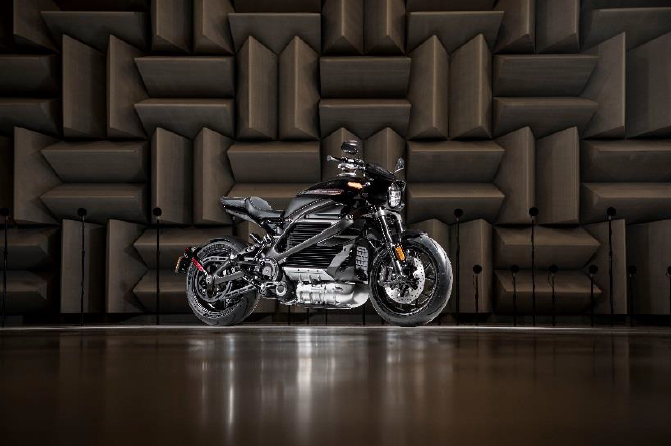
Leveraging it’s industry-leading design and strong manufacturing capabilities, Harley-Davidson plans to offer it’s most innovative lineup of motorcycle, including an adventure touring model, a small displacement motorcycle for Asia, a number of middleweight displacements, continuing innovation and technology in heavyweight displacements and an electric motorcycle. This would be by far the most comprehensive lineup release in Harley-Davidson history.
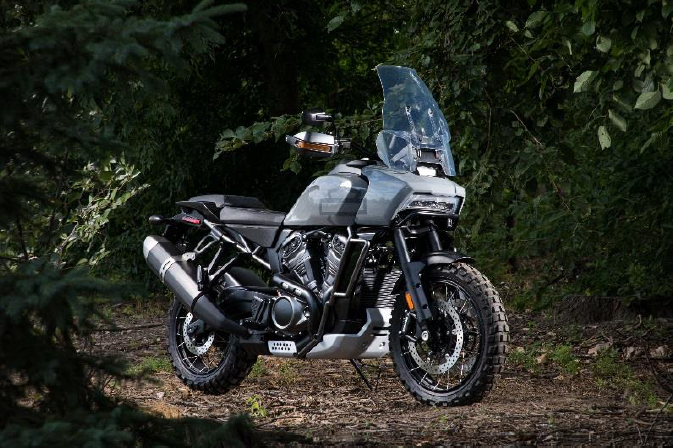
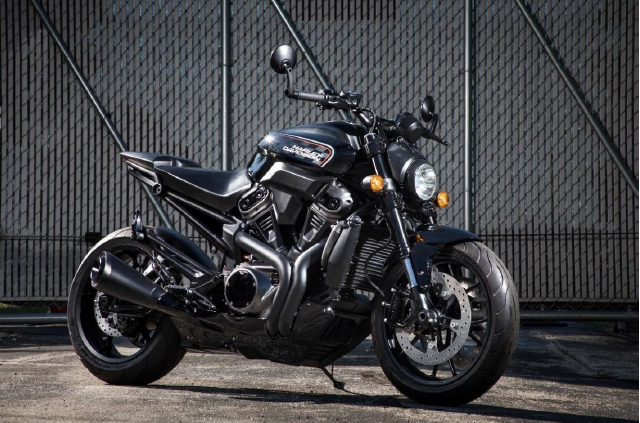
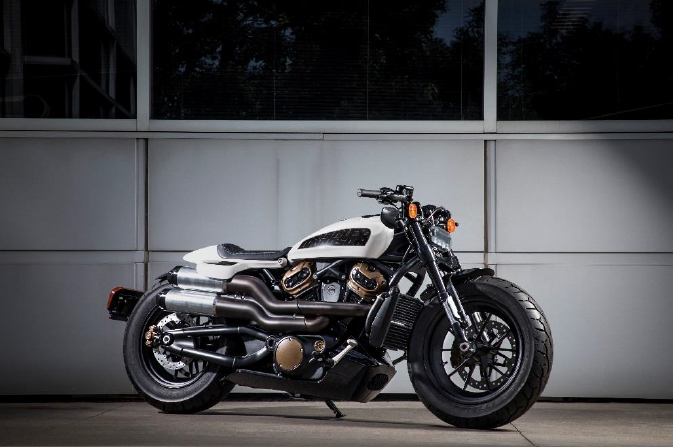
Harley-Davidson is set to introduce a new 500cc-1250cc Middleweight platform that will include the company’s first adventure motorcycle, the Pan America 1250 and a 1250cc Custom and a 975cc Streetfighter. These new models are set to launch for 2020, with additional models to be released through to 2022. Harley-Davidson also announced it’s release for a more accessible small-displacement (250cc-500cc) motorcycle manufactured and marketed to Asia. They have also committed to continuing their leadership in heavyweight motorcycles by continuing to develop and improve their already refined touring and cruiser motorcycles and the technology development within the bikes.

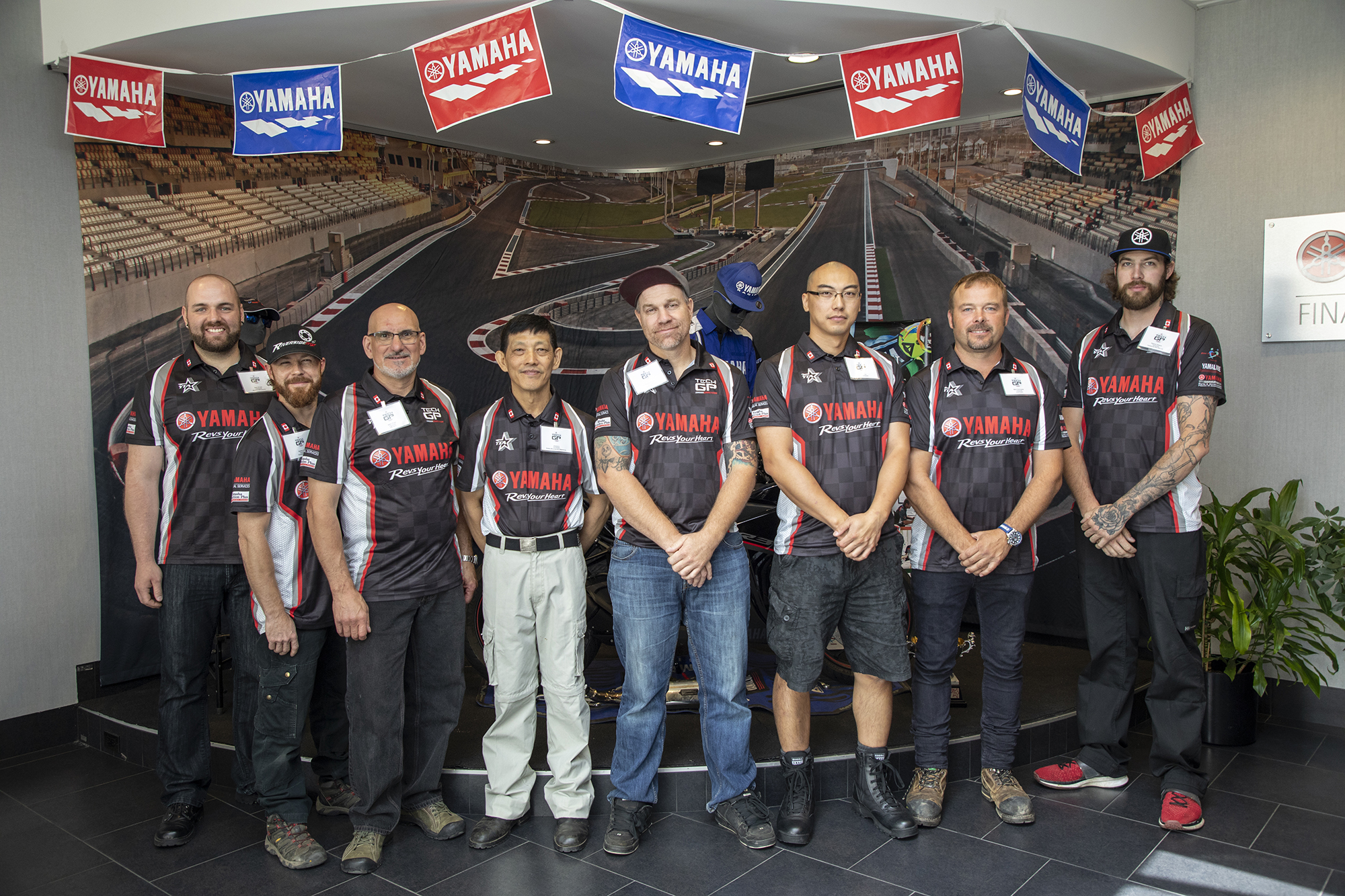
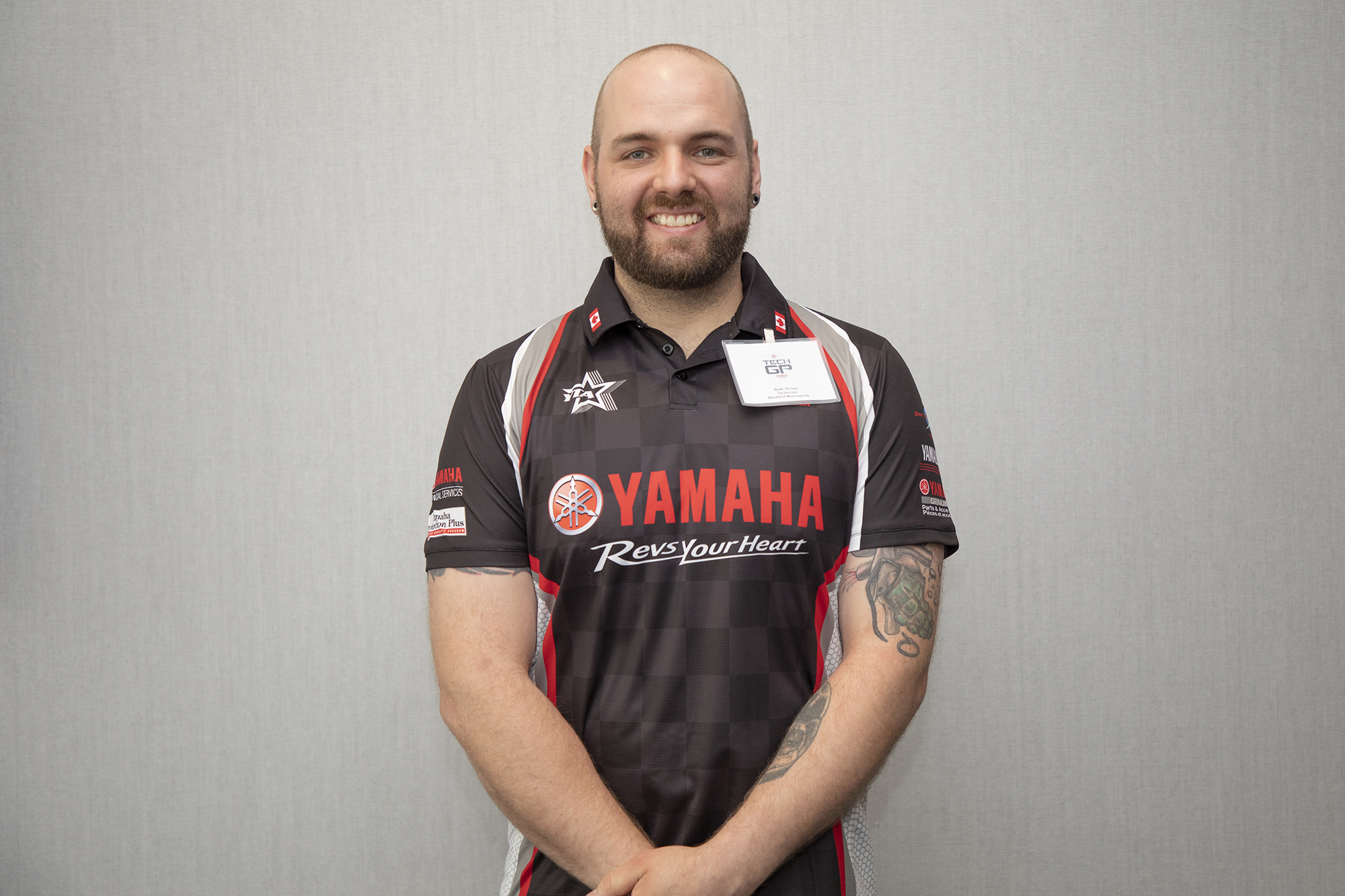
Brett Hart takes home the crown for the 2018 Canadian Technician Grand Prix, held at Yamaha Motor Canada on July 24.
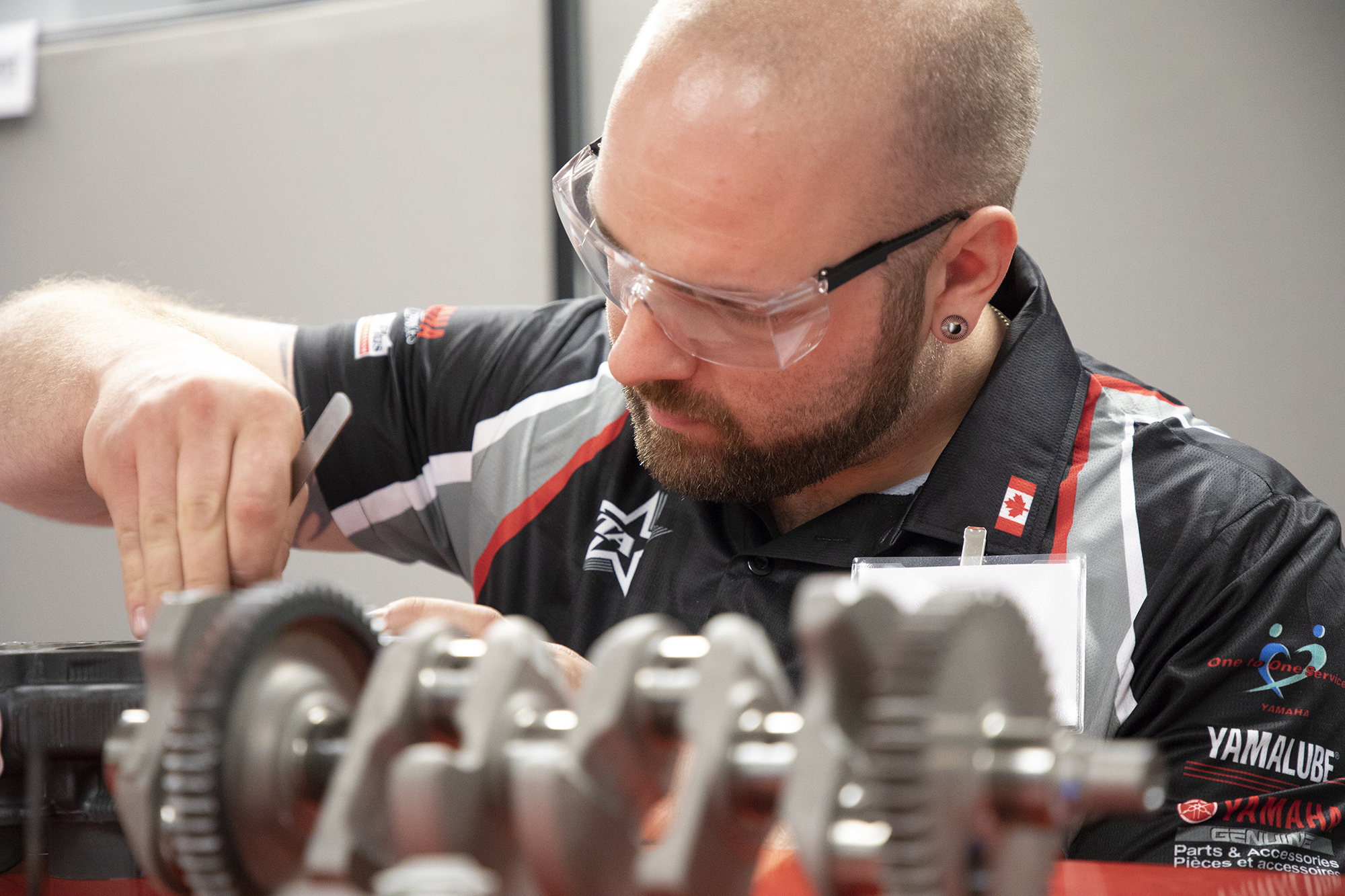
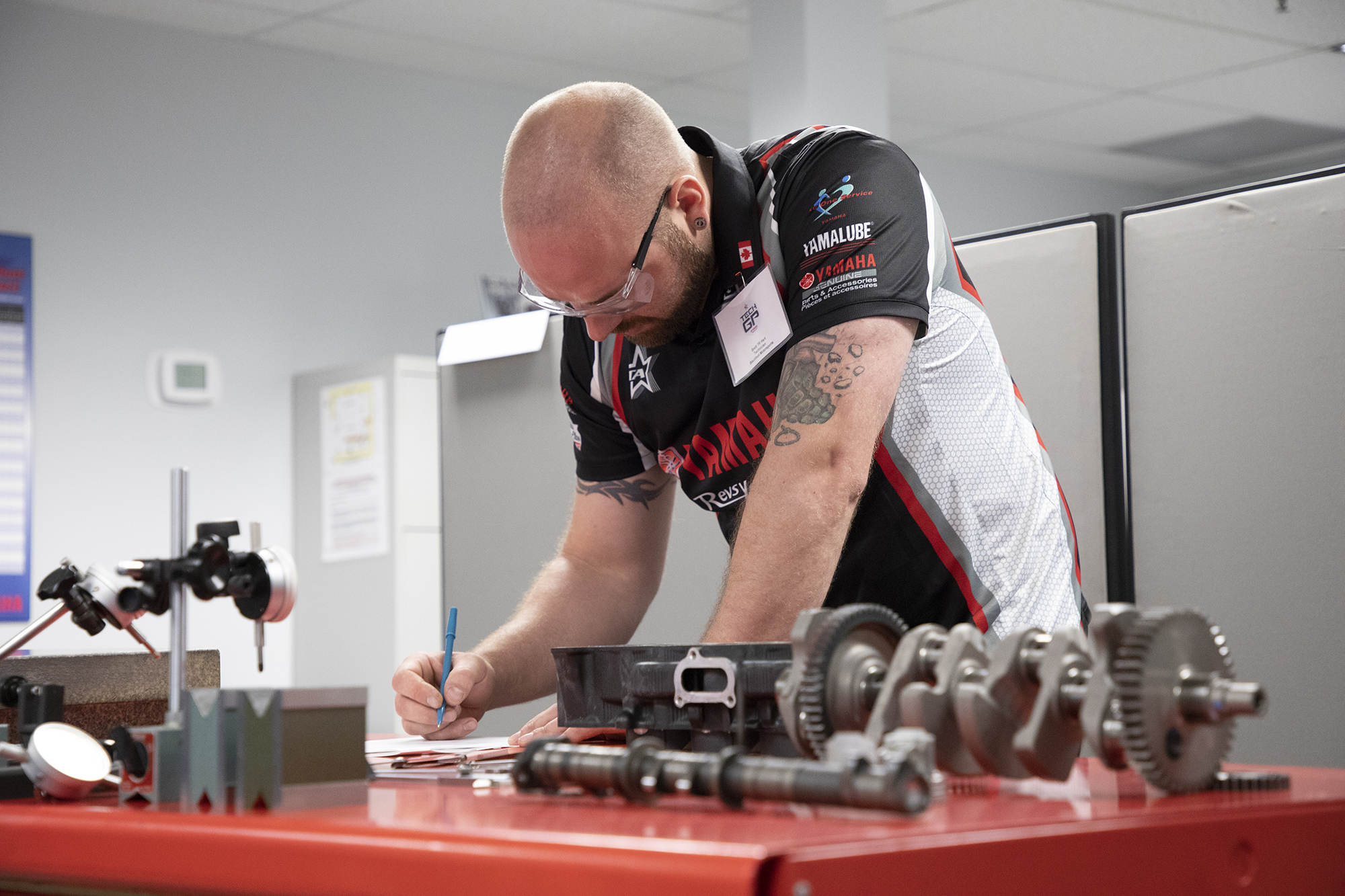
After 3 attempts and being a finalist each time throughout 8 years, Hart was finally crowned champion at this year’s Canadian Tech GP. The 2018 competition was comprised of nine different labs from mechanical to electrical to customer service, challenging the technicians’ skill sets in various fields.
“It was very challenging,” admitted Hart, who will go on to represent Canada at the World Technician Grand Prix
. “The organizers do a very good job of trying to weed us out. These are the top eight technicians in Canada, so there’s a lot of competition. The labs were very tough, and that’s how they separate us.”
Rounding out the top three in this year’s Canadian competition were second-place Scott Szollos from Snow City Cycle & Marine (Toronto, ON) and third-place Patrick Gibson of Cycle Works Motorsports (Red Deer, AB). Gibson also won the Top Rookie award, while Alan Piuze of SM Sport (Quebec City, QC) won the Customer Delivery Award.
The Yamaha Technician Grand Prix is organized as part of the Yamaha Motor Corporation Ltd.’s global service education plan. The goal of the Yamaha Tech GP is to raise awareness and increase competency of Yamaha’s technicians.
The World Technician GP will be held in October in Japan, no doubt our Canadian Champion will have a lot of work ahead of him to prepare for the challenge.
Most four-stroke motorcycle engines need occasional valve adjustment, or at least a valve-clearance check. Adjusting the valves means setting the appropriate clearance between the base circle of the camshaft, otherwise known as the camshaft heel, and the tip of the valve or rocker arm, depending on the valve train setup. This clearance is important because it compensates for the expansion of the various engine components as the engine heats up, thus allowing optimum engine performance and preventing engine damage.
 If the clearance is too tight, for example, it may completely disappear when the engine reaches operating temperature, in turn preventing the valves from closing fully. A valve that doesn’t close fully will allow combustion gasses to escape, which reduces engine performance. Worse yet, though, is that if the valve still closes completely but the clearance is too tight, the valve won’t remain seated long enough to transfer its heat into the cylinder head, which could lead to a burnt valve, particularly the hot-running exhaust valve.
Valve clearances also affect valve timing; if you’ve ever purchased an aftermarket camshaft and looked at the spec sheet, you’ll have noticed that cam timing specs are often given either at zero clearance or a specified clearance, the latter being more realistic, since it takes into account the degrees the crankshaft rotates as it takes up said clearance on the leading and trailing sides of the cam lobe. The valve’s duration (the time the valve is open) will therefore be greater if the clearance is tighter (it opens sooner and closes later), and reduced if it’s looser (opens later and closes sooner). This has a direct effect on engine performance.
Reliability is also affected by valve clearance. If it’s too great, it will cause adjoining parts to slam into each other – hence the tapping noise you hear on bikes that haven’t been properly maintained. This pounding will wear out valve train parts prematurely.
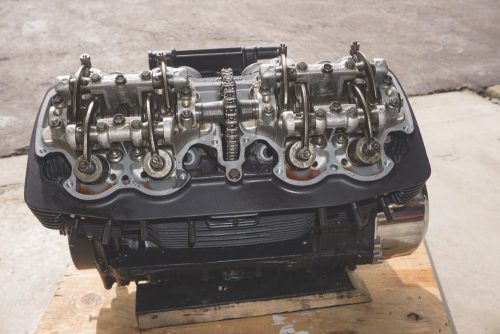 When it comes to a brand-new bike, most manufacturers require that valve clearances be checked right after break in, or at about 1,000 km. This might seem premature, but what happens in a new bike is that valve clearances are set to spec at the factory, but tighten up considerably in the first few hundred kilometres, as the valves work their way into their valve seats. This “seating” of the valves sets them a bit deeper into the combustion chamber, and consequently, the valve stems protrude farther at the other end, taking up precious valve clearance. From what I mentioned earlier about what happens if the valve clearance is too tight, you can understand why a warranty may be voided if that all-important first inspection isn’t performed– it’s not about the oil change. Modern materials have helped extend valve service intervals, but it’s important to have a look, especially if you haven’t done so in a very long time but hear no valve noise – they might be too tight.
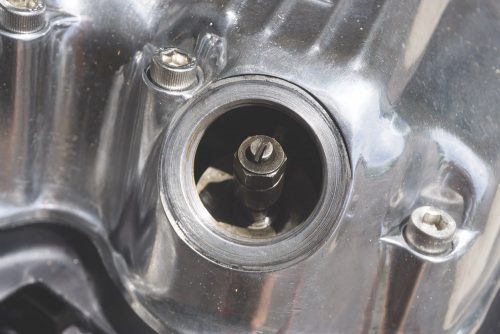
Valve clearance is verified by inserting a feeler gauge of the correct thickness between the valve stem or rocker arm, and the cam heel. There are three types of valve adjusters: shim over bucket, shim under bucket, and locknut and screw. The last one is the easiest to adjust, since it involves loosening a locknut and turning the adjuster screw – which is in direct contact with the tip of the valve stem – to set the proper clearance; you then tighten the locknut to secure your adjustment. Access to this type of adjuster is also typically easy, since there is usually a valve-adjustment access cover incorporated into the valve cover.
 Shims over buckets are a bit more involved, since you have to remove the entire valve cover for access, and adjusting the clearance requires that you insert shims of different thicknesses. With the proper tools, it’s a relatively easy system to work with; after measuring the clearance and determining which shim is required to set it to spec, you use a special tool to compress the valve enough to remove the old shim and insert the new one, and then move on to the next valve.
The most difficult valve system to work with is the shim under bucket. Measuring the clearance is identical to the shim-over-bucket system, but replacing the shims requires removing the camshafts so you can lift off the buckets and gain access to the shims. When adjusting shim-under-bucket valves, you should record all of your measurements first, get the correct shims to set the clearances, then proceed to remove the cams. While the other systems let you measure and adjust each valve individually, removing the cams makes this highly impractical.
Finally, there are also hydraulic valve adjusters, found mostly on Harleys. If you have this system, it took you longer to read this than to adjust your valves, since you don’t have to.
Technical articles are written purely as reference only and your motorcycle may require different procedures. You should be mechanically inclined to carry out your own maintenance and we recommend you contact your mechanic prior to performing any type of work on your bike.
A new modular helmet that has a lot to offer
I was excited to hear that Shoei was releasing a new version of the Neotec helmet, and even more excited to see it arrive at our head office. The first-generation modular Neotec was one of my favourite helmets for many years – it was comfortable and fit like a glove.
The new DOT-approved Neotec II helmet meets and exceeds the original Neotec in many ways. The shell is made from multiple hand-laid layers of fibreglass, and lightweight organic and high-performance fibres, according to the Shoei literature. The company claims the shell provides optimal impact absorption, strength and elasticity. It weighs in on our scale at 1,885 grams – it isn’t the lightest flip-up modular helmet, but it does feel well balanced when wearing, and the comfort outweighs the extra grams.
The interior pads are removable for washing or replacing and are soft enough to easily conform to the rider’s head – another reason this helmet is so comfortable. Cheek pads are available in different thicknesses for a customized fit.
Eyeglass wearers or those of us who prefer to ride with sunglasses on will enjoy how easy it is to slide the arms of glasses into position with no binding or jiggling past the side foam.
 The Neotec II was designed with the help of Shoei’s wind tunnel for aerodynamic efficiency and noise reduction. The helmet is quiet, depending, of course, on how hard the crosswind is or your type of fairing and where the wind hits you. One of the benefits of a flip-up helmet is that the neck opening is able to fit tighter to your neck, reducing the amount of air entering the helmet from underneath. I have no complaints at all about the minimal wind noise from this helmet.
The actuation for the flip-up chin bar and face shield is positive and feels very secure when in the closed, locked position. The locking mechanism is made with high-quality stainless steel components. Unlocking requires just an easy squeeze with your forefinger, and lifting the chin bar to its open position is smooth.
Shoei used 3-D injection moulding in the creation of the face shield, which leaves it free of distortion. The clear-plastic face shield is large for a good field of view, and according to the Shoei literature, it protects against 99 per cent of the sun’s damaging UV rays. Removing the face shield to clean or replace it is an easy process.
The design of the shield’s spring-loaded pivoting system actually pulls the shield into the helmet’s opening and against the seals to better ensure that water and air don’t leak in when closed. The Neotec II comes with the tried-and-tested Pinlock system, which considerably reduces the possibility of the shield fogging up from a temperature change or your breath.
The helmet also features an internal sunshield that’s easily implemented with a lever on the left side, just below the face shield pivot. The sunshield also has the same distortion-free benefits as the face shield, and also blocks 99 per cent of the sun’s UV rays.
 Ventilation is provided by a lower air intake in the chin bar and a three-position upper air intake on the top of the helmet, while the incoming air is exhausted through a non-adjustable
vent in the rear of the helmet.
The chinstrap is adjustable and uses a micro-ratchet that’s quick and easy to use, so no more fiddling with threading
the strap in and around D-rings.
A quick look online reveals the Neotec II will set you back about $930 and comes with a limited five-year warranty from date of purchase that covers materials and craftsmanship.
If you’re looking for a new helmet or think you might soon be needing an upgrade, the Shoei Neotec II is a great option to consider in so many ways, but if you’re also thinking about a communication system, carry on reading, because one thing that might tip the scales for you is the partnership that Shoei has with Sena and its SRL communication system designed exclusively for the Neotec II helmet.
For more information, go to shoei-helmets.com.
Sena SRL Communication System
Designed specifically for the Shoei Neotec II
There are quite a number of motorcycle communication systems on the market these days, but one name that stands out for sheer technological advances and the number of products available is Sena. The company has several communication headsets and integrated action cameras for not only motorcyclists, but also for outdoor sports and industrial communication.
Sena has joined forces with Shoei in an exclusive deal to provide a communication device for installation into the new Neotec II helmet. This helmet is designed with dedicated internal pockets that the SRL components slide into for a discreet and virtually invisible communication package. Even the microphone boom has a dedicated groove in the helmet’s EPS foam so that everything in the SRL system fits seamlessly. The speakers sit far enough away from your ears to offer good sound while not pressing against your ears.
 Installing the SRL into the Neotec II was dead easy by following the illustrated steps in the supplied quick-start guide, and took me 32 minutes to complete. The SRL will pair with any Bluetooth device, and pairing to my smartphone was drama-free. Within seconds I was listening to my favourite tunes. I don’t own a Bluetooth-enabled GPS, but based on the simplicity of pairing my phone, I have no reason to expect pairing a GPS is at all difficult.
The SRL controls consist of just three buttons integrated into the lower left side of the helmet. Although they are easily accessible, they do require some practice to finding the right button every time when wearing gloves – bare finger tips makes the job much more accurate. Like everything, it does take some familiarization, and I did get used to tapping the correct buttons over time. Putting your thumb on the raised bump on the bottom of the buttons helps to orientate your finger location.
The Sena Device Manager, an Android or iPhone app, allows the user to better integrate with the SRL system to configure the headset and its functions, including preset speed-dial numbers. The app also includes a complete manual for when you need to look something up. There is such a huge amount of functionality in the Sena headsets that it would take quite some time to memorize all the available functions, so having a digital manual in the palm of your hands is a great asset. A full manual is also available at sena.com.
In addition to pairing with a Bluetooth device, whether it’s a phone or GPS, the SRL offers a host of other functions, and offers intuitive voice prompts and understands voice commands; makes and receives hands-free phone calls. It also connects up to eight other riders with Bluetooth 4.1, with
an intercom range of up to 1.6 km;
features universal headset pairing to other brands of communication devices; is capable of three-way conference calling with an intercom participant; operates as an FM radio tuner with scan and save station presets; and is firmware upgradable to ensure the unit stays current in the years to come.
The first thing I did after pairing with my phone is played music. The speakers offer a full range of tones – from deep bases to crisp high notes. The buttons allow the user to control volume, change tracks or pause and play music. Voice commands also work to control the music.
Selecting FM radio is just as easy as speaking to the SRL. The communicator can scan for stations or you can enter presets into the Sena Device Manager app.
Using the phone is just as easy. You can use the buttons to call a preset number or answer an incoming call, or use the voice command to initiate a call from the preset number list or just say hello to answer an incoming call. Whether using buttons or voice command, the operation is foolproof and the communication on both ends of the call is crystal clear.
Pairing with another headset – in my case, I used a Sena 20S that’s a few years old – was an equally easy process. I just pushed the appropriate buttons on both headsets and the SRL paired automatically with the 20S. I didn’t try to pair with another manufacturer’s products, but the Sena literature claims it will pair with other makes of headsets.
The claimed 1.6 km intercom distance might be in perfect conditions, which Sena says is open terrain. I found that line of sight to be a good judgment – hills and corners with forest between you and another intercom affected communication; however, it was always easily restored.
As with using the buttons with gloves on, some of the voice commands take a bit of getting used to, such as how loudly to say “Hello Sena” to wake up the SRL and for it to ask you what you’d like. Wind noise and ambient noise play some part in this, as occasionally the unit wouldn’t recognize what I was asking it to do. But, like the button selection with gloves on, this gets better with practice.
The above just scratches the surface of the functionality of the Sena SRL communication system, and I believe these are the most important functions that riders will use their SRL for right away, and they form the foundation for what the unit can do. If you need more intercoms, simply add more. Maybe you have a second phone that needs to be paired – the SRL will do that as well. Or set up a conference call with other intercom users. There is so much this device can do.
The Sena SRL communication system retails for around $370 on various internet sites, which is on par with other Sena communication systems, but this one disappears inside the Neotec II helmet, instead of hanging off the side of the helmet.
In a fast-paced digital world, sometimes the last thing I want to do is play with digital devices, and occasionally I find it a bit of a burden or maybe even intimidating, but everything about the Sena SRL, from installation to pairing various devices to setting up the intercom, has been an easy process. No need to fear. Communication with your riding buddies or your passenger is as simple as a few button clicks away.
And then there are times you just want to be alone in your helmet. If you don’t feel like communicating with anyone, simply hit the main button to end the intercom and say later that the battery must have died. Believe it or not, that works – I know.
For more information, go to sena.com
Kawasaki’s new supercharged hypersport tourer hits the highway
Even at a standstill, Kawasaki’s new supercharged Ninjas, the H2 SX and especially its sparkly green sibling, the SX SE (Special Edition), draw lively opinions. Some love the strapping Transformer-like styling, while others call it busy. One old man watching me fuel the SE way out in the Mojave Desert said it looked otherworldly, “like something an alien might bring down to race around on.” I told him the power the H2 makes is what’s really out of this world, some 200 ponies whipped up by a state-of-the-art supercharger. He just laughed and pedalled his bicycle away. He probably thought I was kidding.
But the new H2 SX and SE versions are no joke, although it is a bit funny that on Kawasaki’s website you’ll find these two bikes residing under the tab “street/touring” instead of the tab listing the company’s “supersport” machines.
The Softer Side of Searing
 Kawasaki has softened the edges of its track-proven H2R, reconfiguring the 998 cc four-cylinder supercharged engine for everyday usability and fuel economy by raising its compression ratio, introducing shorter valve timing and engineering smaller intake ports to encourage more street-friendly power. The supercharger’s impeller was also reshaped to maximize mid-range torque, allowing the engine to deliver power that feels similar in character to the larger-displacement engines common in today’s sporty touring bikes.
Other new features that make the SX more sport tourer-like are a new “passenger-friendly” trellis frame, which lengthens the wheelbase and provides fit points for optional saddlebag pods, brand-new electronic cruise control, all-LED front and rear lights, and a super-intuitive instrumentation screen to showcase the bike’s extensive suite of rider-assist functions, which include traction control, ABS, engine braking control and adjustable power modes.
The green Special Edition version provides even more functionality with a laundry list of goodies, including Kawasaki’s Quick Shifter for clutchless gear actuation up and down; cool, new LED cornering lights activated by lean angle; an easy-to-read TFT display; larger windscreen; steel braided brake lines; heated grips; a centrestand; and lastly – and rather amusingly – Kawasaki’s Launch Control Mode, for those days you don’t (or do) feel like doing wheelies from every stoplight.
It was the SE version I had nabbed from Kawasaki’s U.S. Headquarters in Southern California late one afternoon to head straight toward the high desert for four days of real-world riding.
Threading the Needle
 My tour began with a stint of lane-splitting down one of California’s vast 12-lane freeways, where just getting to the proper splitting lane (in this case, between the HOV and fast lane) is a journey. Splitting lanes in stop-and-go traffic is a great way to test a bike’s low-speed handling characteristics.
With a claimed wet weight of 260 kg, the Ninja SE is not light by anyone’s definition. At parking lot speeds, it’s a bit of a fish out of water, at least while you learn how to be an active dance partner to its sensitive, speed-loving chassis. Luckily, the bike’s wasp-like waist allows a rider to integrate easily, quickly becoming an influencing component in the balancing act.
The 45 minutes spent teasing out a line between lanes of jostling cars and trucks also showed just how well mannered this ferocious beast can be even before your throttle hand is fine-tuned to the supercharger’s rapture. That said, I did take a few minutes to flick through the adjustable rider-assist elements that fill the large TFT display. I chose a Power Mode of “Medium” (75% juice), the KTRC traction control at its Mode 2 (of 3) setting and engine braking tuned to “Light” for smoother declaration. I would eventually default to these settings as an ideal middle ground for almost all real-world situations.
Once off the crowded freeway, I was able to relax and settle into the H2 SE properly, swinging the big sport-tourer east toward the mountains and infamous Ortega Highway, one of SoCal’s illicit proving grounds, drawing conga lines of newbie squids and veteran knee-draggers alike.
Fresh-Baked Corners
 Lucky for me it was late in the day during the middle of the week, so the Ortega was reasonably clear of traffic except for a paving crew that had just finished rolling out new black carpet. It was immediately apparent the H2 SE is right at home in these fast, sweeping corners. Power engagement is very linear, especially in the Medium setting, coming on via a strong, even wave that crests around 6,500 rpm as the supercharger announces its arrival with a breathtaking surge of energy that delivers you very quickly to a soft rev-limiter at 12,000 rpm. It’s the kind of power that makes you want to throw back your head and cackle.
Fast cornering, particularly as the road tightened into more of a dense tangle, was fairly intimidating during this orientation period, but I was quick to remember the bike is equipped with wildly sophisticated electronic corner management functionality harvested from the company’s experience in World Superbike. This system measures real-time chassis orientation while monitoring the rider’s movement and inputs in order to adjust traction control and braking during cornering for optimum stability.
I can’t say that I ever came close to pushing the H2 SE’s limits during my four-day stint charging around California’s high desert, but I can say that I pushed my own limits of comfort as a rider and felt very satisfied with the bike’s consistently predictable outcomes. My first thought about having such a powerful monster loose on the streets was that it will be too easy for people to get in over their heads. While the H2 is a force to be approached with great caution, it has a host of built-in checks and balances that police human folly.
Into the Great Wide Open
The Ortega is only one section of the 179 km-long Highway 74, which connects several high mountain passes between San Juan Capistrano and the desolate Palm Desert, where I would spend the bulk of my four-day tour. Unfortunately, the broad, flat valleys that separate the high mountain ranges are densely populated and simply torture when you’re riding a bike like the Ninja H2. You know how you cringe when you see that guy driving a Lamborghini around the city? Riding the H2 on surface streets feels quite a bit like that: inappropriate, like asking a racehorse to pull a wagon.
The big superbike’s brakes are plenty to bring the hurling works to a quick halt. The dual front discs are especially instructive, and I liked to use them in concert with the less-impactful single rear in almost all situations.
It was on these surface streets that I began to notice the first hints of physical effect that would manifest over the long days of riding to come. My bum in particular was a quick judge of the sit-bones crunching seat, a first-change item if I were to own this bike for its touring-intended purpose. The ergonomics, while spacious for a supersport, were fairly cramped for long days spent static in the saddle, causing me to spring up on the pegs with a groan every so often.
But overall, exploring the great wide open on the H2 SE was surprisingly chill. Hand placement is not so low that undue weight is placed on the wrists, and the windscreen is just high enough for wind to travel easily over the top of my helmet, offering just enough protection without much buffeting. The TFT screen on the SE is quite easy to read, and all the controls/adjustments were easy to use. My favourite and most oft-used feature while touring turned out to be the cruise control. I’m not sure I would have as many good things to say if it weren’t for these short disconnects.
The stylish saddlebags were also a major benefit. A cinch to remove and replace, they offered a surprising amount of packing space – plenty of room for four days’ worth of sundries between the two saddlebags and my backpack.
As for chassis feedback, the H2 SX’s fully dialable suspension is exceptionally accommodating no matter the road surface. Unusually intense winter rains had pocked most of the desert highways I explored, but nothing seemed to faze the big Ninja.
A Real-World Ride?
Coming out of the desert after four days of flying low on the H2 SX SE was bittersweet. I wasn’t ever completely comfortable, but I was happy and also never bored.
There is a certain sense of vitality that goes along with piloting such a virile machine. A kind of core-clinching fortitude that makes you feel that much more alive. While there are several other sport-touring machines that are miles more comfortable and worth considering – including Honda’s wholly transformed, now super-athletic Gold Wing – there are few bikes that will make you grow virtual chest hair the way the H2 SX and SX SE will.
But commanding that much hulking, musky power has to be high on your priority list. I don’t see someone hoping for a well-rounded sport-touring experience being happy with something this aggressive. The H2 SX or SX SE will be a statement bike for someone who wants a very specialized experience, and they are also quite expensive compared to other sport-tourers one might consider: $21,899 for the black-only SX and $25,299 for the feature-rich SE.
Is there really room for a class of hypersport tourers like the H2 SX and SX SE? Heck yeah. There will always be riders who want the fastest, the most sophisticated, the most badass.
And some will be riders like me, people willing to trade comfort and a wad of cash for the thrill of being able to tour around on the back of such a bristling beast.
Why ride when you can fly?
Some fantastic memories were made in a simpler time of motorcycling
I thought that a “blast from the past” might hold some interest for Motorcycle Mojo’s older readers, especially those with a love for older motorcycles. I was born in South Africa and started riding at the age of 16, when my dad gave me his 1955 350 cc BSA B31, which he bought brand new; it was my pride and joy for several years.
I lived in Cape Town and soon made friends with several others who also had a love of motorcycles, and it wasn’t long before we started going for rides together on the weekends. Cape Town and the environs have some of the most spectacular scenery in the world, and offer the opportunity to go for rides along the coastal road that runs right around the peninsula encompassing both the Atlantic and Indian Oceans. A ride like this would take the whole day, starting at our meeting point in the centre of Cape Town.
We had some interesting bikes in our group but not all of us rode together at the same time – whoever was free at the time of a ride usually joined the group.
The BSA Clubmans racer used to run on Castrol R oil, which was a castor-based oil that was extensively used in those days by most of the racing motorcycles. When an engine ran on this, the aroma of the Castrol R exhaust fumes was something fantastic, and we always used to ride behind it to enjoy this lovely smell.
Public Racetrack
 Once a month, we would organize a ride that started from the centre of Cape Town (Greenmarket Square) and continued along the National Road to Somerset West, a ride that took about 45 minutes, depending on the speed. Some of our riders were crazy and used to consider this a race, and it became a spectacle that was watched by many Capetonians, including the police, as the bikes flashed by on the long stretches of road with some of the riders lying flat on the tank! When I think about it now, I realize that some of us young folks must have had a guardian angel watching over us.
Weekend rides were many and varied, depending on the time of the year and the weather. One memorable ride took us inland on a very hot summer’s day. We were riding in shorts, which was not very clever, but in those carefree days we didn’t even consider the consequences should we fall off, and just rode in blissful ignorance.
Different Climates
One ride took us into a semi-desert region called the Karoo. It was very hot, and by lunchtime we were hungry, too, so we stopped alongside a windmill that was close to the road. Windmills were used for pumping underground water into a small dam alongside the windmill, and from which animals drank. We all stripped off and jumped in for a lovely cooling swim. Sandwiches and a cup of coffee at the side of the road refreshed us for the trip home.
Cape Town enjoys a Mediterranean climate, which for us North Americans is easy to handle, with lovely warm summer days with temperatures reaching 30 C and above. The winters, which are usually mid-year from March to September, tend to be cooler, but never colder than 0 C. In Cape Town, the rain comes in winter, and depending on where you are, it can sometimes be like a deluge, so there are not many motorcyclists who venture out, except those who use a bike for going to work.
A Milestone
After I started work doing an engineering apprenticeship, I was earning enough to pay off a new bike, and my dad signed the papers for me to buy a brand-new BMW R50. This was a milestone in my life and something that I will always remember with great happiness. As it was my sole form of transport for both summer and winter, I needed to find a way to improve weather protection during the rainy months. A friend of mine and I found a company on the Isle of Man called Peel Fairings, which made beautiful dolphin-type fairings for BMWs. We wrote to them and ordered two fairings for our bikes. This was a wonderful addition to what was to my mind the most beautiful motorcycle in the world. This fairing not only kept me totally dry in the winter as long as I kept moving, but also added some top speed when carrying a passenger.
Road racing was very popular, and a track called Killarney was built in Cape Town for this purpose. The most popular bikes were the Manx Nortons and AJS 7Rs, with an occasional G50 Matchless, BSA Gold Star or KTT Velocette. We were fortunate in later years to get a chance to watch Geoff Duke on his Gilera, and the thrill of the sound of that magnificent Italian four will stay with me forever, as will his wonderfully smooth handling of his machine.
Life Changes
As what happens to many of us who ride motorcycles, the time came to get married and have children, and my motorcycle days ended until I was in my 50s, at which point I again indulged myself and bought a 1975 BMW R75/6. I rode this until last year, when at the age of 78, I felt that I had pushed my luck long enough and decided to sell my bike. It was not a difficult decision to make; maybe the years bring sense to a person at the right time. I reasoned that in all my riding years, I had never had an accident or even fallen off my bike, and that the smart thing to do would be to call it quits while I was still in one piece.
One needs to know when enough is enough, and it’s lovely to be able to look back and have all those amazing memories.
An impromptu gossip fest with coffee shop locals, an apparition in a cemetery and fantastic winding roads make for a great few days in Georgia.
The first indication that I was entering the Deep South was the road sign designating Virginia SR 20 the “Constitution Route.” The second was the tangy smell of barbecue wafting from what looked like a horizontal oil drum on someone’s front porch. And the third was dropping the kickstand in the parking lot of Appomattox Courthouse, the National Historic Site in Virginia where generals Lee and Grant brought an end to the U.S. Civil War.
I had arrived here to attend the annual Horizons Unlimited Travellers Meeting, and as a part of our weekend, we toured the courthouse grounds. We heard the tales of Lee’s surrender and how Lincoln – in an effort to heal rather than conquer – granted freedom to the entire Confederate Army, bidding them to return home to re-establish their farms and their families. Nearby, however, I was surprised to discover a tiny cemetery for 19 soldiers resting beneath an epitaph recently placed by the United Daughters of the Confederacy: “Dedicated to the memory of those who served in the defense of the Confederate States of America.” Perhaps, I thought, not all southern ghosts are at rest.
A Ghost Named Suzi
 After a weekend of travel tips, inspiration and meeting new friends, I rode south into North Carolina, stopping in Dupont State Forest to enjoy its many beautiful waterfalls, then followed Hwy 64, an amazingly serpentine road that gave both me and my 2006 Suzuki V-Strom a good workout. Rain threatened as I pushed on into Georgia and into darkness. I followed 441 and 115 leading to Dick’s Creek Road, where I gave up finding my intended campsite and finally lay down in a quiet cemetery. At 3:30 a.m., however, I awoke with a start. There in the blackness of the night (and my own bleariness), I saw a woman in a riding jacket standing over me with hand on hip as if waiting impatiently for this trespasser to awaken. I jumped and said, “Hello?” And it was only when she didn’t answer that I realized the woman was named Suzi and the hand on her hip was in fact one of the bike’s hand guards. Clearly, I needed more sleep, but it took a while to shake off my brush with an apparition in a cemetery.
Hanging with the Locals
 Around 6:00, the first drops of rain woke me and I headed for Cleveland, Georgia, to find a café where I could eat, write and wait out the storm. I left my gear at a round table and ducked into the washroom. When I came back out, three retired Georgians were sitting at my table. Waving me forward, they called, “Come si’down, son. Welcome to Geawgia. Where y’ from?” These three seemed to know everyone who came in the doors, and soon several more joined us. When the first three finally left, more again filled their seats. I sat through three full shifts of locals, catching up on the town gossip and poking fun at each other. As one of them explained, “All you need to know is, it isn’t a lie until someone believes it.” They were slightly taken aback to learn I did not have a weapon with me on my travels, and at least two of them didn’t understand why I would include Martin Luther King Jr. National Historic Site in my itinerary. (But this gets dangerously close to discussing politics – something that didn’t bother any of my new friends in the least, as they went on to debate their president’s latest moves. I was glad to claim non-citizen status and just listen – especially as I was the only one not carrying!) Nonetheless, they were more than helpful in providing directions to MLK’s home, and offering suggestions of other sights in the area.
“If you’re still around, c’mon back tomorrow,” they said as we finally all broke for the day. “We’ll be here.”
The ride into Atlanta was a soaker with powerful winds, but I arrived intact and, to my pleasant surprise, dry. My new Klim gear had lived up to its promise. In the Georgia warmth, however, I experienced the conundrum that all manufacturers face in striking a balance between water resistance and adequate ventilation. I was more than eager to peel off some layers to tour the Atlanta sights. These included both MLK’s childhood home and church, as well as iconic Swan House and the futuristic Marriott Marquis that served as sets for The Hunger Games movies.
Georgia’s Dragon
 Back at Dick’s Creek that evening, I followed a twisting road to the campsite I had found on freecampsites.net. I lay down in the quiet woods and looked up among the long pines that stretched toward the stars above. The quiet was almost sacred. The next morning, I rode Hwy 60, a fun 56 km of tight turns and switchbacks with a few short straightaways just for variety. Lightly travelled, the road was in perfect condition and generally well cambered. If every hilled region wants to claim its own “Dragon,” this is Georgia’s, complete with two roadside grills welcoming bikers. As I rode, I noticed that, where it showed, the dirt was rust red. For the most part, though, if something could grow here, it did. From grass to shrub to tree to vine, Georgia was swelling with green, often crowding the roads with its fullness.
I then shot over to Blairsville on number 15 to catch Hwy 348, the Russell-Brasstown Scenic Byway. While 60 had been like a timed slalom, 348 began more leisurely through Chattahoochee National Forest. I rode on what felt like a cushion of air the entire 40 km on gently winding curves past several scenic lookouts before encountering more challenging 180-degree switchbacks, all the better for the pristine pavement with newly painted lines. I breathed in the aroma of oak, pine, and tulip trees, which adorned the route.
The Confederates Live On
East of Atlanta I stopped to tour a monastery in Conyers and then the town of Covington, which has been the setting of numerous TV series and movies, including Cannonball Run, Footloose, Halloween II and, unintuitively, Selma and Sweet Home Alabama. I was struck yet again by a statue in the town square that stubbornly keeps alive the antebellum past: “To the Confederate Dead of Newton County: Their gallant and heroic deeds like monumental shafts arise from out the graveyard of the past and mark the tombs where valour lies.”
My free campsite in Ocmulgee Flats Hunt Camp was a trailhead for horseback riding, and I would share the spacious area under the pines with two tethered horses and their riders. But first I had to make it to the site.
The road in, reported to be a kilometre of gravel, turned out to be 7 km of very loose gravel with ruts and a fallen tree across the road. This offered real-life justification for the couple of off-roading courses I had taken just last season: I may never do the Trans Canada Adventure Trail, but if I needed to traverse a rugged patch getting to a campsite, I could do it. I discovered in the morning that the road was a loop and I had come in the back way. In fact, the regularly used route was in good condition and much shorter.
Get Over It
I rode out past groves of giant pecan trees to reconnect with Terry, whom I had met at the Horizons Unlimited weekend. He showed me around the Andersonville National Historic Site, a POW camp for Union Soldiers – and one I had not heard of. The casualties due to starvation and disease were staggering, eroding much of the glory once associated with being imprisoned for your country. Terry then took me for lunch to the Anderson Station Confederate Restaurant, which was filled with Civil War memorabilia, and where I had the biggest burger I have ever seen, trimmed with a tiny Confederate flag stuck in the top. At this point, Terry – himself a proud southerner – offered his considered perspective: “Y’know, slavery could never last. And we lost the war. We really should get over it.”
Coincidentally, my next stop was the Jimmy Carter National Historic Site in Plains, where the 39th president is honoured as a man who understood the importance of reconciliation. Both as governor of Georgia and president of the United States, Carter worked tirelessly to heal the painful legacy of racial inequality. At age 93, he still does.
Into the Depths of Georgia
As the sun sank low, I made my way east to Woodcliff, where I would spend the night with Ron and Stephanie, more new friends from the Horizons Unlimited meeting. The route consisted of dusty and sometimes slippery dirt roads. In fact, they were so far out in rural Georgia that I began to wonder if they ever had to drive toward town to hunt. The couple had bought an old century home and restored it beautifully, including a wonderfully appointed shop for Ron’s BMW R1200GS. We sat up late into the night enjoying stories and laughter until we could hardly hold our eyes open.
In the morning, with recommendations to see River Street in Savannah and Fort Pulaski National Monument, I set out. The city was not a disappointment, with its cobblestone, many city squares and Spanish moss-draped live oak trees shading walks and streets. After a night’s camping on the northern edge of Francis Marion National Forest, I was up for a day of exploration on Cape Lookout National Seashore as I returned through North Carolina. I took the ferry to Shackleford Island, where I photographed a few of the hundred wild horses that live along the seashore, and I would have considered camping there were it not for the incessant gnats and the threat of heavy weather. Instead, I found another free site in Croatan National Forest. It rained all night and I was glad that I wasn’t on the exposed seashore, and that my tarp, stretched out from the bike, covered most of my bivy.
Making for home the following day under clear skies, I began to think back over my adventures. I had stretched my budget by finding free accommodations (a perverse point of pride), and I had exercised my new riding skills. I had also discovered a part of American culture that I had never really experienced firsthand: that for many southerners, the Civil War is barely over, and strong fault lines remain. I took hope from MLK’s words that “The arc of the moral universe is long, but it bends toward justice.” And I found a deepening appreciation for the many like Lincoln and Carter who have laboured toward forgiveness and reconciliation. As I rode north of the Mason-Dixon, I thought warmly of my many new friends, and I whispered in my helmet, “May the long arc continue.”